
Reviewed · CURACAO
A little Taste of Kiteboarding
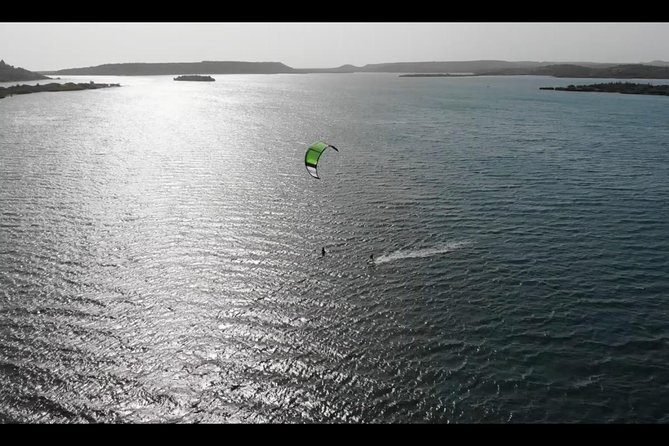
St. Joris Bay gives this two-hour kiteboarding lesson a practical edge: parts of the bay are shallow, while other areas are deeper. You can start by learning kite control in manageable water, then work toward using wind power to move yourself. Before and after the lesson, you can watch local kiteboarders at work.
I like the way the course puts safety and kite handling first, rather than rushing you onto a board. I also like that the gear, water shoes, rash guard, and intercom radio are supplied. The main caution is simple: you need to swim and have a moderate level of fitness, and two hours is enough for an introduction, not mastery.
Key points to know before booking
- St. Joris Bay offers shallow and deeper water, giving your instructor room to teach several stages of kiteboarding.
- The first lesson centers on the kite, including setup, wind awareness, safety, steering, and movement powered by the wind.
- Lara may be your coach, and one beginner reported getting onto the board during the first session, though progress depends on conditions and ability.
- Equipment is included, including the current kite gear, water shoes, rash guards, and an intercom radio.
- This is a private activity, so only your group takes part rather than joining a large class.
- You need to bring swimwear and water, leave valuables behind, and be ready for a physically active lesson.
Starting at Awa Salu Kiteboarding Curaçao
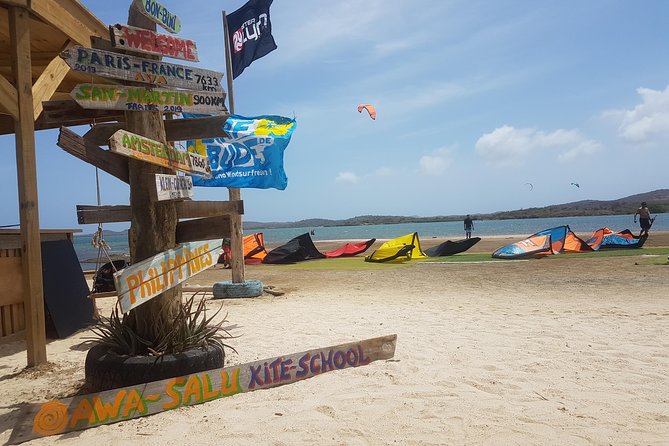
Your lesson begins at Awa Salu Kiteboarding Curaçao, located at The Spot on the road to St. Joris Bay in Willemstad. The activity ends at the same meeting point, which keeps the day easy to organize if you are staying nearby.
Return transport from your accommodation is available, but you should confirm the arrangement when booking. The information provided does not spell out the pickup area, timing, or any extra transport charge, so do not assume that every accommodation is covered.
The school provides the main equipment for the lesson. That matters because kiteboarding gear is not the sort of thing you want to pack for a holiday, and trying to rent pieces separately can create confusion. You receive the kite setup used for the session, water shoes, a rash guard, and an intercom radio for communication with your instructor.
Bring swimwear, drinking water, and sunscreen. Sunscreen is listed among the supplied items, but it is also listed as something you should bring, so your own familiar, water-resistant sunscreen is the sensible choice. Leave valuables at home. Water, wind, and loose beach items are a poor mix.
Other trips people book in Curacao:
- Klein Curacao Day Trip with Premium Open Bar and BBQ-Lunch
★ 4.5 · 1,302 reviews - Aquafari Tour in Curaçao
★ 5.0 · 1,240 reviews - Curacao: Swimming with Sea Turtles meets Sea turtle beach
★ 5.0 · 1,058 reviews
The safety briefing comes before the fun
The lesson begins with setting up the kite and learning how wind and safety affect the equipment. This is the part that can feel less exciting than standing in the water, but it is where a beginner learns what the kite can do and how quickly it can respond.
Your instructor will explain the basic controls and the conditions around you before you enter the bay. The intercom radio is useful here and in the water because you can receive instructions without relying on shouted words carried by the wind.
I like that the session treats the kite as the main machine of the sport. Kiteboarding is not simply a matter of standing on a board and letting the wind pull you along. You first need to understand how the kite moves, how to steer it, and how your control affects your body.
The safety briefing also helps you judge your own comfort level. If the wind feels strong or the kite reacts faster than expected, you can ask questions before trying to move. The course is designed for beginners, but it still requires attention and a willingness to follow directions.
Learning kite control in St. Joris Bay
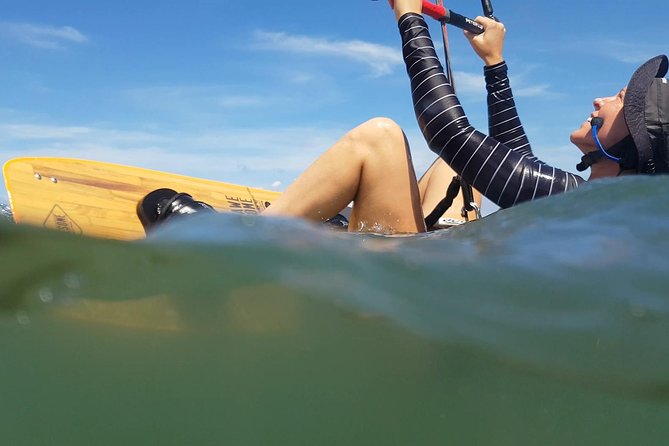
After the briefing, you and your instructor go into the water. The first goal is to steer the kite and feel how wind power moves through the equipment.
St. Joris Bay is useful for this lesson because the water is shallow in some parts and deeper in others. Shallow water can make early practice less intimidating, while deeper sections let you work on movement without being limited to standing. Your instructor can use the conditions that fit your stage of learning.
The course description does not promise that every participant will stand on the board during the first session. That is important. One person who took a lesson with Lara got onto the board on the first day, but also swallowed plenty of salt water while learning. That is a realistic picture of a first attempt: quick progress is possible, but it may come with splashing, mistakes, and a few unexpected mouthfuls of the bay.
Your first success may simply be keeping the kite steady. You may then move on to steering it through controlled patterns or allowing it to pull you through the water. If you make it to the board, that is a bonus rather than a guaranteed result.
What two hours can realistically teach you
Two hours is a good length for a first taste. You get enough time for an introduction to equipment, safety, kite handling, and basic movement, without committing to a full multi-day course.
You should not book this expecting to become independent after one session. Kiteboarding takes repeated practice, and the wind, your fitness, your comfort in the water, and your ability to coordinate several movements all affect your progress.
The value of the short format is that you can test the sport before paying for a longer course. If you enjoy the feeling of controlling the kite, you can consider continuing with more lessons. If the sport feels too demanding, you have made that discovery in two hours rather than after a much larger commitment.
The lesson is also private, which changes the pace. Your instructor can focus on your group rather than dividing attention among a large class. That does not guarantee instant progress, but it should make it easier to ask questions and receive corrections when your kite position or body movement goes wrong.
Same base, a different sort of day:
- Klein Curacao Adventure Day Trip
★ 4.5 · 944 reviews - Discover Diving in Curacao
★ 5.0 · 886 reviews - Curacao Helmet Diving-Walk the Ocean Floor, No Swimming Required
★ 5.0 · 761 reviews - All West Beach Hopping Tour
★ 5.0 · 594 reviews
A closer look at the supplied equipment
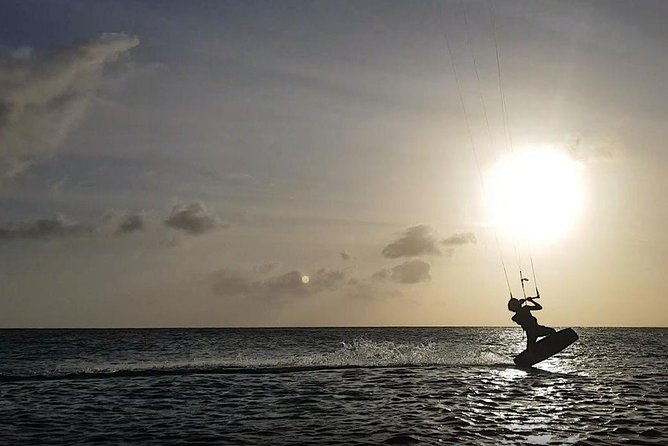
The included gear is a strong part of the package. You receive the current kite gear, water shoes, rash guards, and an intercom radio.
The water shoes are practical for a shoreline and shallow-water session. They provide a layer between your feet and the bottom, though you should still follow your instructor’s directions about where to walk and how to enter the water.
The rash guard helps with sun exposure and gives you an extra layer while you are in the water. Curaçao’s sun can be intense, and a lesson keeps you outside and active for the full session. Even with a rash guard, bring and use sunscreen.
The intercom radio is especially helpful for a sport taught across open water. Your instructor can give short directions while you are moving, and you do not need to keep turning around to see or hear the coach.
Because the equipment is supplied, you can judge the price based on instruction and access rather than on gear rental alone. At $195 per person, this is not a casual beach activity price. It makes the most sense for someone who specifically wants to try kiteboarding with a private instructor and proper equipment.
Watching the local kiteboarders at The Spot
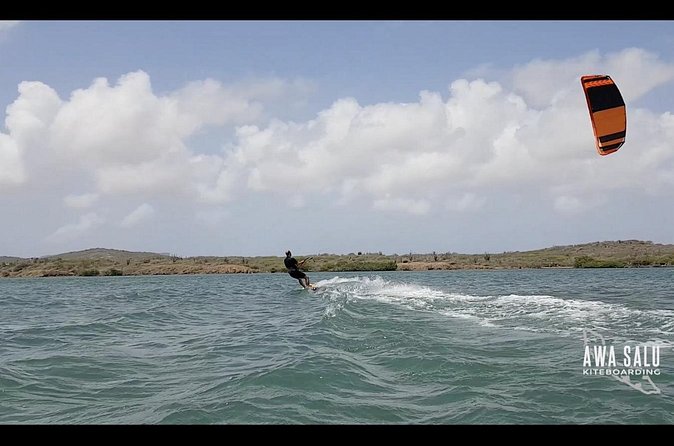
Before and after your session, you can watch local kiteboarders in their usual setting. This adds something that a simple equipment demonstration cannot: you see how the sport looks when someone already understands the wind and controls the kite with confidence.
Do not compare your first attempts with the local riders. Their tricks are the result of practice, while your lesson is about basic handling and safety. Still, watching them can help you understand what the sport may become if you continue.
This part also gives the experience a local feel. You are not learning in an artificial pool or a closed training space. You are at a known kiteboarding spot, with the bay serving as both classroom and viewing area.
How the private format affects the value
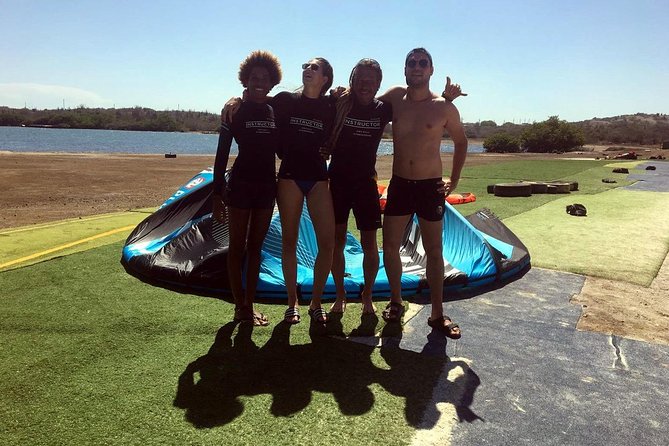
The private setup is one of the clearest reasons to choose this course over a larger group lesson. Only your group participates, so the instructor can adjust the session to your pace.
If you learn quickly, you may spend less time waiting for a turn. If you need extra help with steering or body position, you can work on that without feeling that an entire class is watching. A private lesson can also suit a pair of friends or family members who want to share the experience.
The tradeoff is price. At $195 per person, you are paying for a focused introduction, equipment, and instruction in a private setting. If your main goal is a low-cost water activity, this will feel expensive. If your goal is to find out if kiteboarding is for you, the cost is easier to justify.
The two-hour duration keeps the experience focused, but it also limits what can be covered. More advanced courses include work such as walking, launching, and landing the kite on land. Those skills are beyond the basic introduction, so ask about a longer course if you already have experience or want a fuller training program.
Fitness, swimming, and comfort in the water
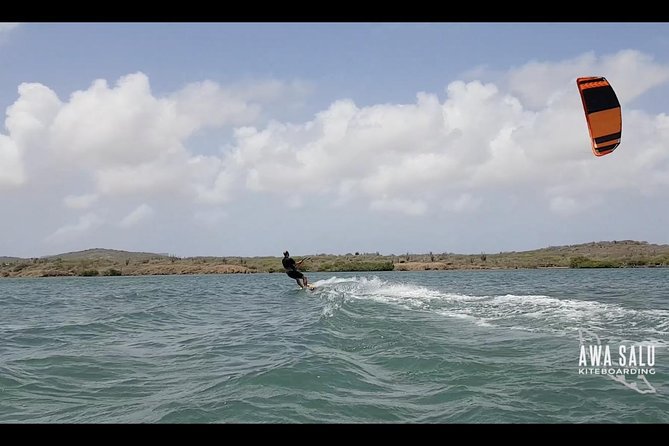
You should have a moderate level of physical fitness for this activity. Kiteboarding involves standing, moving against water resistance, handling equipment, and staying alert while the wind pulls on the kite.
You also need to be able to swim. This is not a sightseeing trip from a boat, and the lesson takes place in the water. If you cannot swim, this activity is not recommended.
Your comfort with water matters even if you are generally fit. The early session may involve falling, getting wet, and trying again. The beginner who reached the board on the first day also swallowed salt water, which is a useful reminder that progress may be messy.
Wear swimwear that lets you move freely. Bring water so you can stay hydrated, and use sunscreen even if the day begins cloudy. Leave valuables behind, since the experience takes place around water and active equipment.
Weather and the importance of flexibility
Kiteboarding depends on good weather and suitable wind. If poor weather causes a cancellation, you can receive a different date or a full refund.
That policy is useful, but it also means you should avoid placing the lesson at the very end of a tightly packed Curaçao itinerary. Scheduling it with some room afterward gives you a better chance of fitting in a replacement date if weather changes.
Confirmation is sent within 48 hours of booking, subject to availability. The course is also subject to a minimum number of participants, despite being a private activity for your group. If the minimum is not met, you will be offered another date or activity, or a full refund.
You can cancel for a full refund up to 24 hours before the start time. Changes or cancellations inside that 24-hour window are not accepted for a refund. The cutoff uses local time in Curaçao.
Who will enjoy this introduction most
I would choose this lesson if you want a real first step into kiteboarding rather than a passive water activity. It suits an active beginner who can swim, follow safety instructions, and accept that the first attempt may involve falling and starting over.
It is also a good match for someone celebrating a special occasion. Lara helped make one participant’s birthday lesson memorable, and the private format gives the experience a more personal feel than a standard group excursion.
You may also like it if you are curious about the sport but do not want to buy equipment or commit to a longer course immediately. The supplied gear lets you try the essential parts of kiteboarding before deciding if you want more training.
I would hesitate if you dislike wind, open water, or physically demanding activities. I would also think twice if you want a guaranteed ride on the board. The course teaches the foundations, but your results depend on your ability, the conditions, and how quickly you coordinate the kite with your body.
Should you book Awa Salu’s two-hour lesson?
Book it if you want a focused and personal introduction to kiteboarding at St. Joris Bay. The strongest points are the shallow and deeper water areas, the private instruction, the included equipment, and the chance to learn from the kite outward rather than being pushed straight into board work.
The price is fair for a private, gear-included lesson, but it is high for anyone seeking only a quick beach activity. Go in expecting safety practice, kite control, water movement, and perhaps a first attempt on the board, not a finished kiteboarder.
If you can swim, have moderate fitness, and are willing to get wet and make mistakes, this is a sensible way to test the sport in Curaçao. Bring water and sunscreen, leave valuables behind, and keep some schedule flexibility in case weather changes.
FAQ
Where does the kiteboarding lesson begin?
The lesson begins at Awa Salu Kiteboarding Curaçao, at The Spot on the road to St. Joris Bay in Willemstad, Curaçao.
How long does the activity last?
The introduction course lasts approximately two hours.
Is the lesson private?
Yes. Only your group participates in the activity.
What equipment is included?
The activity includes the current kite gear, an intercom radio, water shoes, and rash guards. Sunscreen is also listed among the included items.
Do I need to know how to swim?
Yes. You should be able to swim, and the activity is not recommended for people who cannot swim.
What happens if the weather is poor?
If poor weather causes the activity to be canceled, you will be offered another date or a full refund.
Just added in Curacao
- Private Photoshoot Curacao – Capture Your Memories in Willemstad★ 5.0 · 36 reviews
- West Coast Full-Day Tour with Beaches, BBQ and Blue Room★ 4.5 · 209 reviews
- Turtle Swim at TurtleBay visit Flamingos & KnipBeach Safari Truck★ 3.5 · 35 reviews
- UTV Buggy and Snorkeling Tour in Willemstad Curacao★ 5.0 · 38 reviews
- Unique Private Experiences Tour in Curacao★ 5.0 · 32 reviews
- TukTuk’s Adventure Fun Tour in Curaçao★ 4.0 · 92 reviews
- Splashy Iguana Tour in Curacao★ 5.0 · 113 reviews
- 2-Hour TukTuk Rental with an Experienced Guide and Driver★ 4.5 · 237 reviews
Curacao, compared.
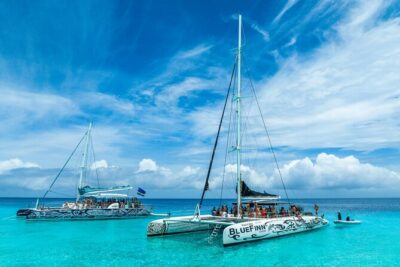
Klein Curacao Day Trip with Premium Open Bar and BBQ-Lunch
Read our review →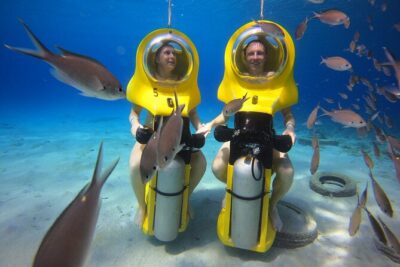
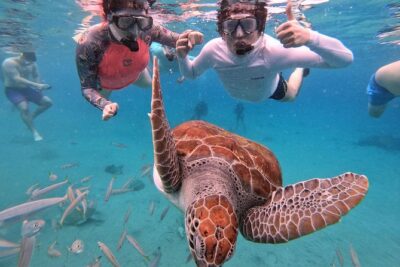
Swimming with Sea Turtles meets Sea turtle beach
Read our review →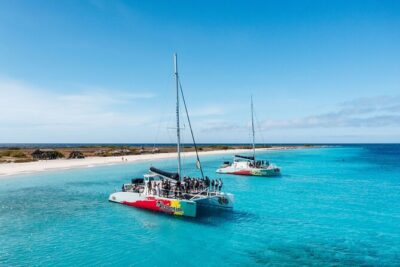
Curacao Helmet Diving-Walk the Ocean Floor, No Swimming Required
Read our review →

Browse the lists this tour appears in