
Reviewed · SANTO DOMINGO
Santo Domingo: Chocolate Tour + Optional Workshops
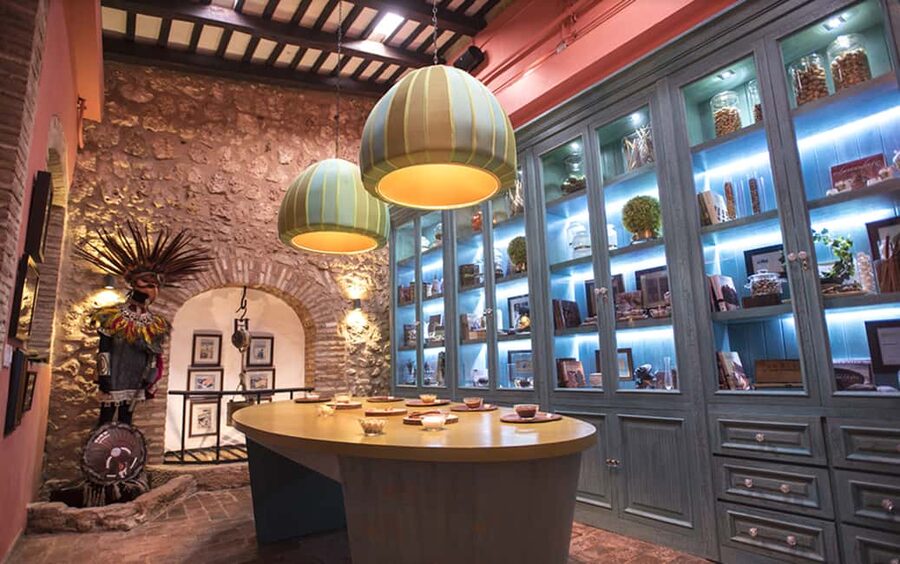
The most unusual part of this Santo Domingo experience is the opening holographic theater, where ghostly figures tell the story of cacao before you see a single machine. It is a quick, theatrical way to explain how cocoa reached Hispaniola and then spread around the world.
I like the hands-on tasting, especially the chance to sample cacao fruit and beans rather than simply look at finished bars. I also like the sensory challenge, which makes you pay attention to the ingredients and textures in chocolate. The main drawback is the short running time. The basic visit can take only 25 minutes, so you should choose a workshop if you want a fuller activity.
Key points to know before you go
- Holographic chocolate history: Start with a theatrical presentation about cacao’s origins and its journey to Hispaniola.
- Cacao fruit tasting: Sample the fruit and beans while seeing how cacao grows in a forest-style setting.
- Fermentation matters: Learn why fermentation and drying affect the quality of the finished chocolate.
- Five-sense challenge: Identify chocolate ingredients by sight, smell, taste, touch, and possibly sound before sampling different cacao percentages.
- Optional hands-on finish: Make your own chocolate bar or cacao-butter soap if you select a workshop.
- Easy central meeting point: Meet at Kahkow Experience, Calle Las Damas 102, in Santo Domingo’s Colonial Zone.
From cacao pod to finished bar in Santo Domingo
This is a compact tour with a clear purpose: show you how a raw cacao pod becomes chocolate. It takes place at KahKow Organic Chocolate, a chocolate-making facility in Santo Domingo’s Distrito Nacional.
At $21 per person, the basic tour is priced more like a short cultural stop than a half-day outing. That makes it easy to add to a day in the Colonial Zone, especially if you want an indoor activity with tastings. The price is strongest for anyone curious about food production, local cacao, or the steps that usually disappear behind a finished chocolate wrapper.
The experience has earned a 4.5 rating from 60 reviews. The most useful praise is practical: the tour begins on time, explains cocoa growing and production clearly, and can include making your own chocolate. One visit was described as short and sweet, which is exactly the right expectation. You are not signing up for a long plantation excursion. You are getting a brisk, interactive introduction inside a working chocolate facility.
Other trips people book in Santo Domingo:
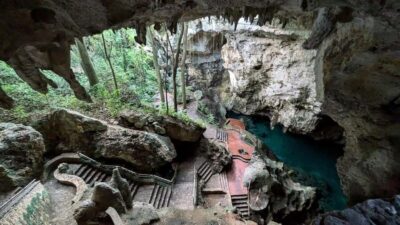
- Santo Domingo: Los Tres Ojos, Boca Chica & More
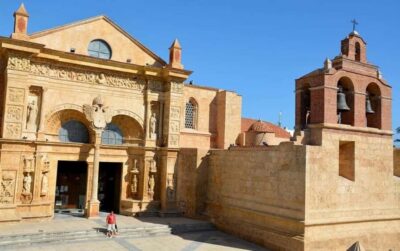
★ 4.8 · 219 reviews - Colonial Zone: Historical Tour with a visit to the Columbus Lighthouse and Tres Ojos Park
★ 4.9 · 157 reviews - Santo Domingo: Colonial Zone Bike Tour
★ 5.0 · 127 reviews
The Holographic Theater opens the story
Your first stop is the Holographic Theater. Different ghost-like figures appear and explain the story of chocolate from its beginnings through its arrival in Hispaniola and its spread beyond the Caribbean.
This opening gives the tour a bit more energy than a standard factory talk. Instead of beginning with a wall of dates or technical terms, the presentation uses characters and visual effects to set the scene. You get the basic context quickly, then move on to the cacao itself.
I would pay attention here because the rest of the tour makes more sense once you understand that chocolate is not simply made by melting something sweet. The experience traces a chain that begins with a fruit, moves through post-harvest treatment, and ends with a carefully processed product.
The theatrical format may appeal most to families and anyone who likes visual storytelling. If you prefer a serious agricultural lecture, this section may feel light. Its job is to get you oriented, not provide an advanced study of cacao cultivation.
The Cocoa Plantation brings the fruit into view
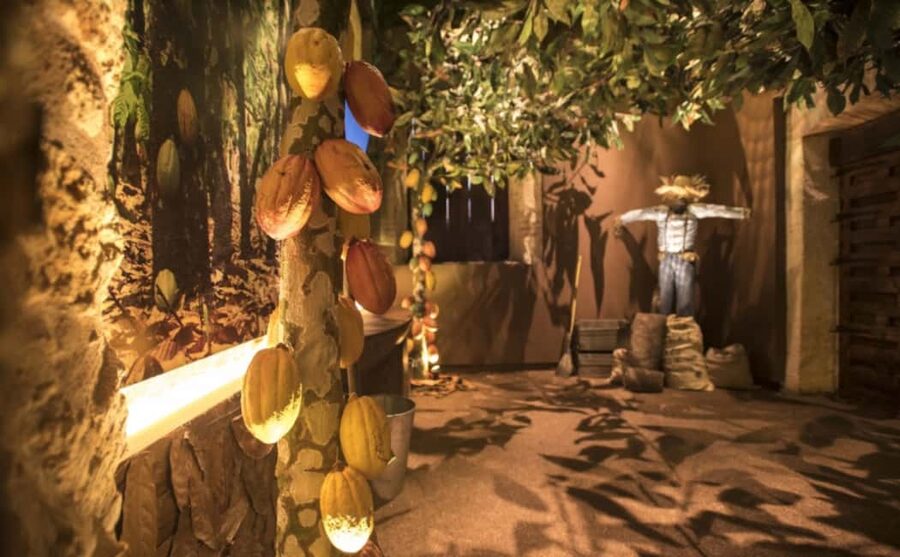
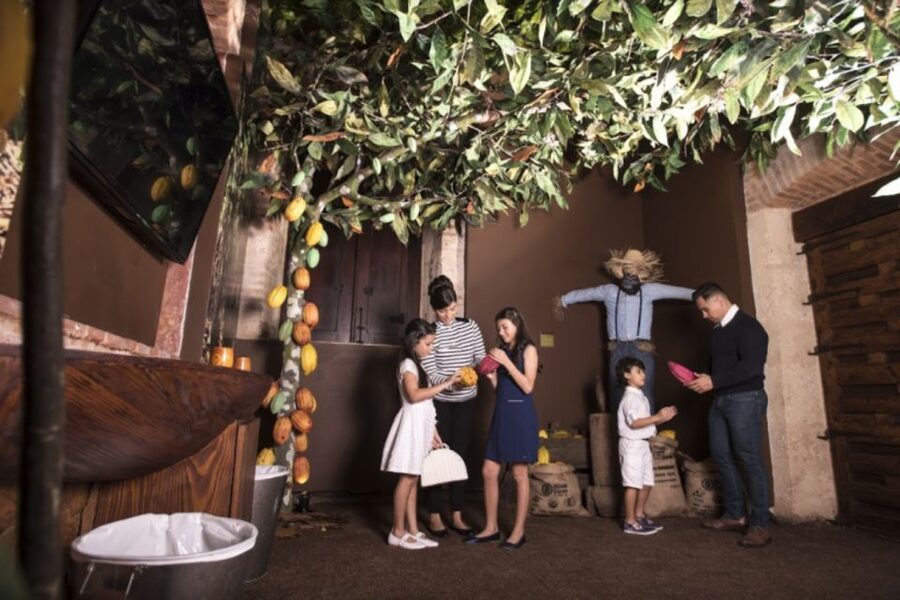
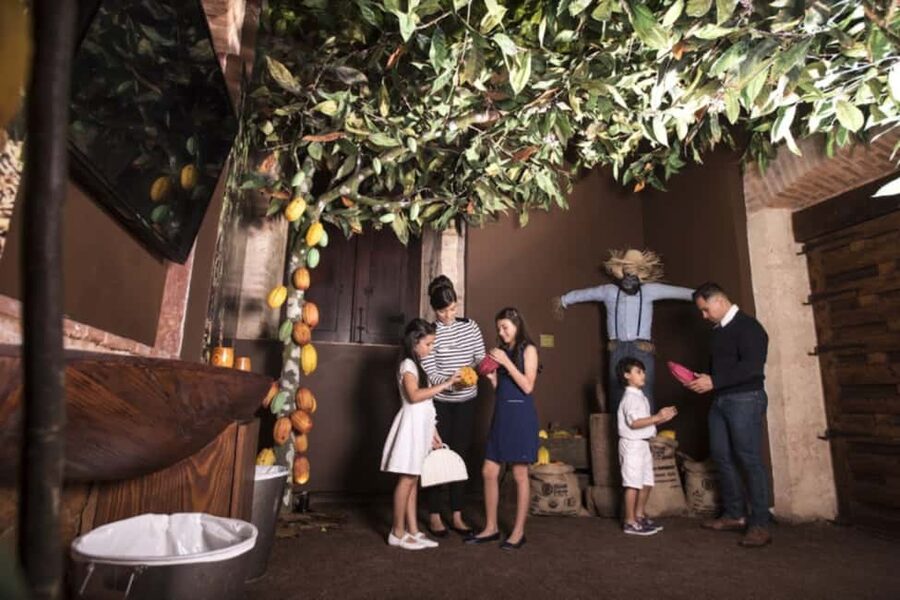
Next, you enter the Cocoa Plantation area. It is designed to feel like a forest, giving you a closer look at the plant and its fruit before the beans are processed.
This is where the tour shifts from storytelling to direct contact. You can sample cocoa fruit and taste cacao beans. That distinction matters. Many people know chocolate as a sweet bar, but raw cacao offers a very different starting point. The tasting helps you understand that the finished flavor develops through several later stages.
For me, this is one of the most useful parts of the visit because it connects the crop to the product. You see that chocolate begins inside a pod, not in a factory hopper. You also get a sensory reference point for the beans before fermentation, drying, roasting, and other production steps change their character.
The forest-style setting is not the same as walking through a real plantation, so keep your expectations in check. You are seeing a compact interpretation of a cacao-growing environment. Still, it gives the tour a physical focus and breaks up the indoor presentations.
Fermentation and drying explain the flavor
The Fermentation Room covers the post-harvest work that takes place after cacao is collected. Your guide explains fermentation and drying, along with their importance in producing quality chocolate.
This may be the most valuable technical stop on the tour. The machinery at the end gets more attention, but fermentation is one of the steps that can easily be overlooked. Here, you learn that cacao beans need careful treatment before they can become the flavors you associate with chocolate.
The explanation is aimed at a general audience, so you do not need previous knowledge. You should come away with a better sense of why two chocolate products can taste different even when both begin with cacao beans.
Because the tour is short, the depth of this section depends partly on the pace of your group and guide. You will receive an introduction rather than a full agricultural training session. If you want to ask questions, this is a good moment to do it, since the fermentation stage connects directly to the sensory tasting that follows.
Same base, a different sort of day:
- Ron Barcelo Anejo Experience Factory Tour
★ 5.0 · 111 reviews - Punta Cana: Santo Domingo Day Trip with Tickets and Lunch
★ 3.4 · 85 reviews - From Santo Domingo: Saona Island Day Trip w/ Lunch & Drinks
★ 3.9 · 83 reviews - Santo Domingo: City Highlights Guided Bike Tour
★ 4.9 · 72 reviews
The Sensory Room turns tasting into a challenge
In the Sensory Room, you use your five senses to identify ingredients that make up chocolate. If you guess correctly, you get to taste different cacao percentages from KahKow Organic Chocolate.
This is not a passive tasting where a guide hands you a sample and tells you what to think. You are asked to make your own guesses first. That small challenge makes you notice scent, texture, and flavor more carefully.
The percentage tasting is useful because it shows how chocolate changes as the proportion of cacao changes. You can compare samples instead of treating chocolate as one single flavor. The exact tasting lineup is not specified, so you should think of this as a chance to sample several percentages rather than a guaranteed set of particular bars.
I like this section for its simple lesson: tasting improves when you slow down. You do not need to be a chocolate expert. You only need to pay attention and make a guess. Children can take part, and adults who normally eat chocolate without thinking about it may find the exercise surprisingly informative.
The Spanish Patio reveals the factory process
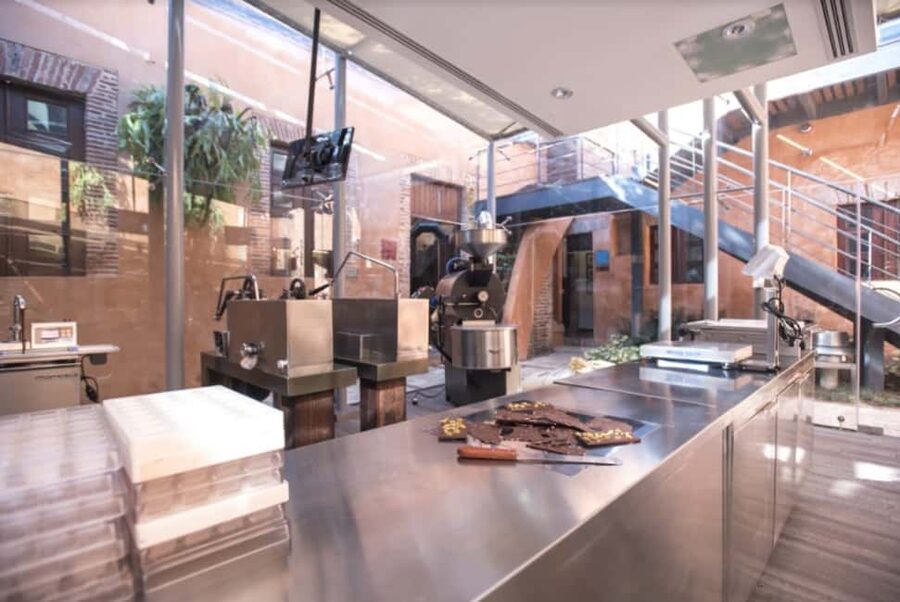
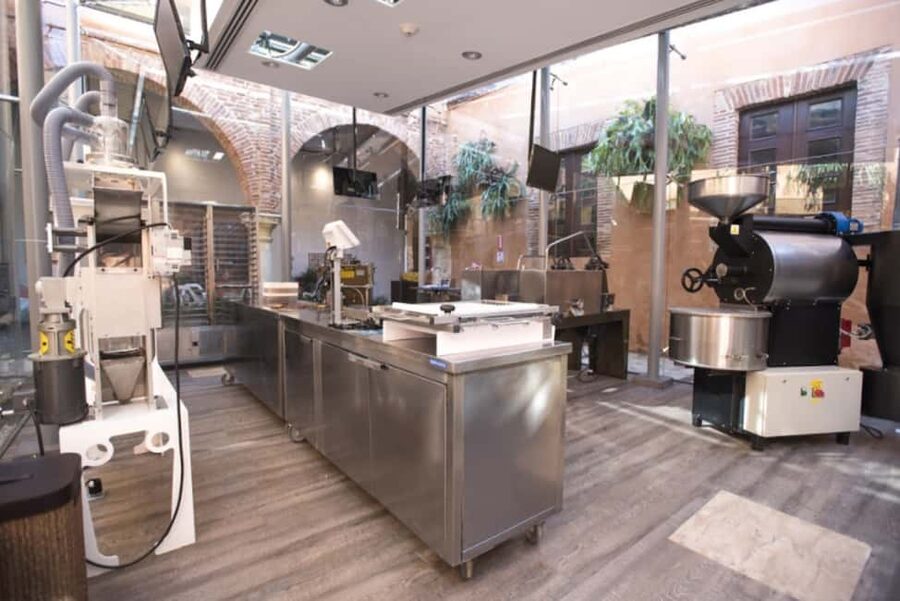
The tour finishes in a glass box on the Spanish Patio. From there, your guide explains how the factory machines work and how the raw ingredients become the final product.
This ending gives you the practical machinery lesson that the opening theater does not provide. You see the production side after learning about the crop and post-harvest stages. The sequence is logical: origin, fruit, fermentation, sensory qualities, and factory equipment.
The glass viewing area also keeps the experience focused. You are not wandering through an enormous industrial plant. Instead, you receive an overview of the key equipment and its role in making chocolate.
A short tour needs a clear finish, and this one has it. You can leave with an understanding of the entire path from cacao pod to finished chocolate, even if you do not study every machine in technical detail. If production equipment is your main interest, you may wish the visit lasted longer. For a compact introduction, the final stop does its job.
Add a workshop for a longer, more personal visit
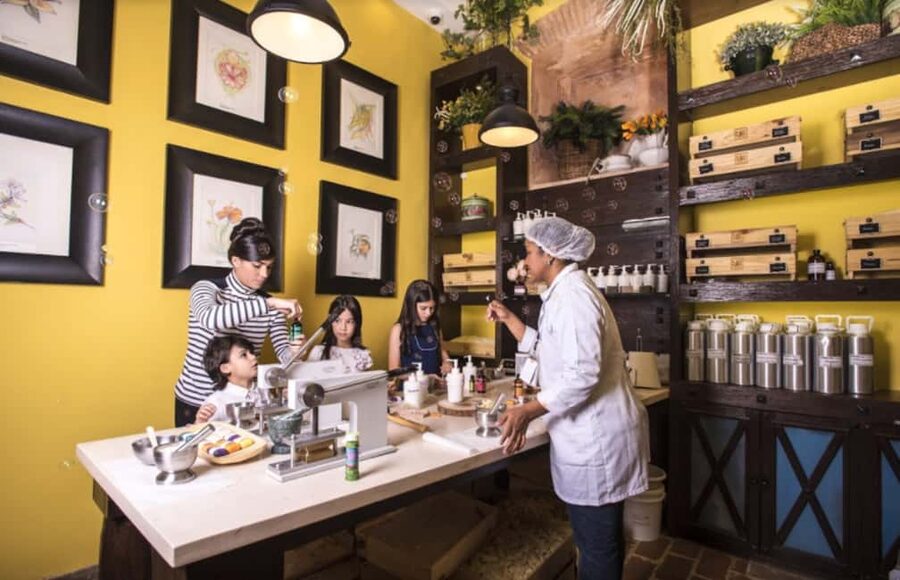
You can upgrade the tour with one of two workshops. The Chocolate Workshop lets you create your own chocolate bar. The Soap Workshop shows you how to make soap using a cacao-butter formula prepared by workers at La Esmeralda, with your choice of aroma.
The chocolate option is the natural choice if you want to stay focused on cacao. It turns the tasting lesson into something you make yourself. You also leave with a personal result rather than only a memory of the samples.
The soap workshop offers a different angle. Cacao is not limited to food, and the use of cacao butter gives you a look at another product made from the same crop. Choosing an aroma adds a small creative decision to the process.
The supplied information does not state the additional price or exact length of either workshop, so check the available option when booking. The full activity can run from 25 to 50 minutes, which suggests that the workshop option adds meaningful time to the basic tour. If your schedule is tight, confirm the duration before choosing the upgrade.
How much value do you get for $21?
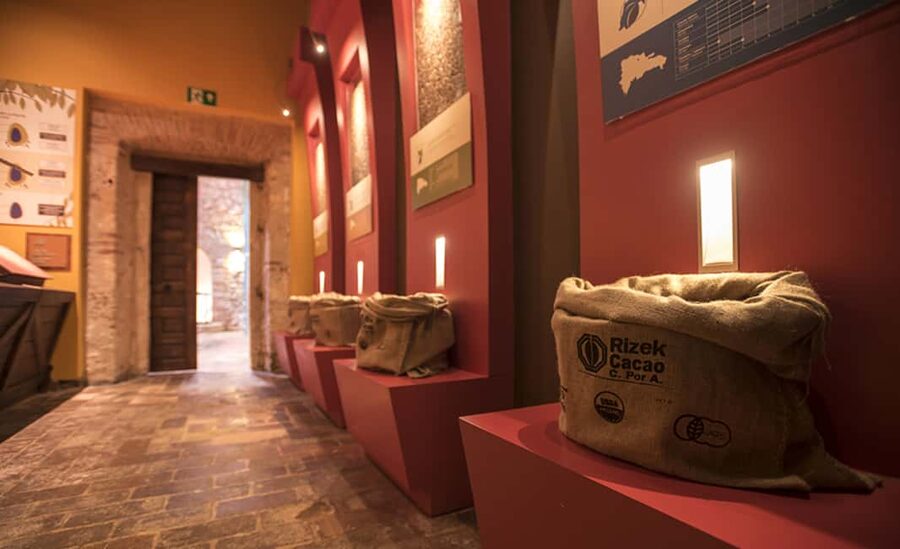
At $21, the base experience offers a reasonable short stop if you are already visiting Santo Domingo’s Colonial Zone. You receive a guided presentation, cacao tasting, a sensory activity, an explanation of fermentation and drying, and a look at the machines used to make the final product.
The strongest value comes from the interaction. You are not paying only to watch a video or walk past displays. You taste cacao fruit and beans, test your senses, and learn how different cacao percentages affect chocolate.
The value is less obvious if you expect a long factory tour or a full meal. Food and drinks are not included, and the basic visit can be over quickly. You should book it for the focused subject matter, not as a major day trip.
Adding a workshop should make the price feel more worthwhile if you enjoy making things. Since workshop pricing is not provided here, compare the final total with the time you have available. The chocolate workshop is likely the better match for people mainly interested in tasting and production, while the soap workshop adds variety.
Timing, languages, and practical details
The meeting point is Kahkow Experience at Calle Las Damas 102, Santo Domingo 10210, República Dominicana. The listed coordinates are 18.473435, -69.882678, which can help you locate the entrance with a map app.
Tours start every 11 minutes. That frequent schedule offers useful flexibility, though you should still check the available start time when you reserve. A short activity fits well between other Colonial Zone stops, but do not assume you can arrive at any moment without checking your booking details.
Live guiding is available in English, Spanish, French, German, and Russian. If language matters to you, select the appropriate option when booking rather than leaving it to chance.
Bring a passport or ID card. The experience is wheelchair accessible and stroller accessible, which makes it a practical choice for families and people who need step-free access. The information does not specify the exact route inside the building, so you can confirm any particular mobility needs in advance if necessary.
Free cancellation is available up to 24 hours before the activity for a full refund. You can also reserve now and pay later, which helps if your Santo Domingo schedule is still changing.
Who will enjoy KahKow most?
I would recommend this tour to you if you want a short, indoor activity with a clear subject and real tastings. It suits families, chocolate fans, curious food lovers, and anyone spending time in the Colonial Zone who wants something beyond buildings and plazas.
The chocolate-making process is explained in an accessible way, and the sensory challenge gives children something active to do. The workshops are especially useful if you prefer leaving with something you made.
You may want to skip it if you are looking for a full plantation visit, a long culinary class, or a substantial food experience. The Cocoa Plantation section is a simulated forest-style setting, not a day in the countryside. The tour is also not a substitute for an extended factory tour.
Should you book this chocolate tour?
Book it if you value a short, well-organized introduction to cacao and want more than a simple chocolate tasting. The route covers the story of cocoa, the fruit and beans, fermentation, sensory comparison, and factory machinery in a neat sequence.
Choose the chocolate workshop if you want the most direct connection to the main subject. Choose the soap workshop if you are interested in cacao butter and prefer a different hands-on project.
My practical advice is to reserve the workshop if you have up to 50 minutes and want a fuller visit. If you have only a narrow gap in your schedule, the basic tour still gives you a useful taste of Dominican cacao production for $21. It is short, informative, and pleasantly hands-on, with the important caveat that its compact length is part of the design.
FAQ
Where does the chocolate tour meet?
The meeting point is Kahkow Experience, Calle Las Damas 102, Santo Domingo 10210, República Dominicana. The coordinates are 18.473435, -69.882678.
How long does the experience take?
The activity lasts 25 to 50 minutes. Check the available starting times and selected option when booking.
How much does the tour cost?
The listed price is $21 per person. The information provided does not state the additional price for either workshop.
What is included in the basic tour?
The experience includes an interactive chocolate tour and cacao bean tasting. Food and drinks are not included.
What workshops can I add?
You can choose a Chocolate Workshop to create your own chocolate bar, or a Soap Workshop using a cacao-butter formula and your preferred aroma.
Which languages are available?
Live guides are available in English, Spanish, French, German, and Russian.
Is the experience accessible for wheelchairs and strollers?
Yes. The experience is listed as wheelchair accessible and stroller accessible.
What should I bring, and can I cancel?
Bring a passport or ID card. You can cancel up to 24 hours in advance for a full refund, and reserve now while paying later.
Just added in Santo Domingo
- Saona Island Tour From Santo Domingo with Lunch and Pickup★ 4.2 · 60 reviews
- Santo Domingo: Historical City Tour★ 4.9 · 42 reviews
- Santo Domingo: Colonial Zone Walking Tour with Tastings★ 4.7 · 37 reviews
- Santo Domingo: The Authentic Dominican Neighborhood Tour★ 4.8 · 68 reviews
- Santo Domingo: Three Eyes National Park Guided Tour★ 4.0 · 41 reviews
- Santo Domingo: Colonial Zone Tour with tasting★ 4.7 · 63 reviews
- Santo Domingo: Bachata or Salsa Dance Classes★ 4.9 · 41 reviews
- Santo Domingo: City Highlights Guided Bike Tour★ 4.9 · 72 reviews
Santo Domingo, compared.
Colonial Zone: Historical Tour with a visit to the Columbus Lighthouse and Tres Ojos Park
Read our review →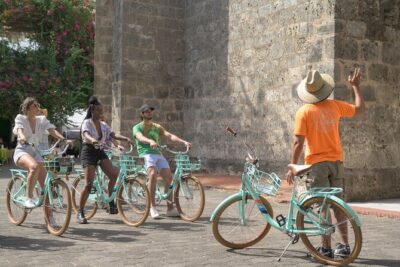

Browse the lists this tour appears in