
Reviewed · SANTO DOMINGO
Santo Domingo: The Authentic Dominican Neighborhood Tour
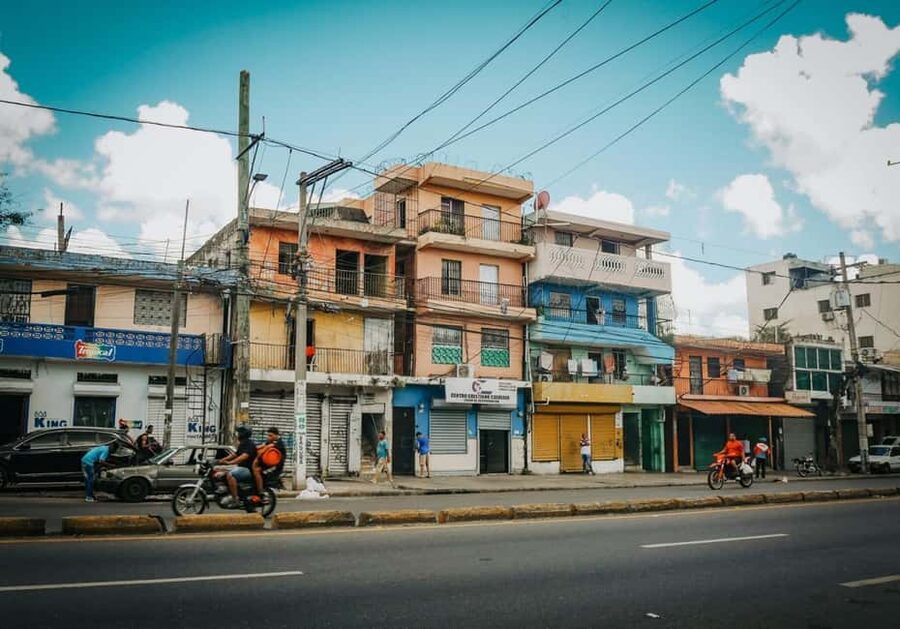
Santo Domingo’s Colonial Zone shows the city’s grandest face. This tour takes you five minutes away, into working neighborhoods where you can drink Dominican coffee, browse a market, visit a typical home, and ride public transport with local guidance. I especially like the small food stops and the cable car views, which give the tour both human detail and a broad look at the city.
I also like that the guides, including Juan, Mike, Joel, and Maiky, are closely connected to the communities they show you. They help you meet residents in a respectful way and explain daily life without turning the neighborhood into a stage. The main consideration is comfort: this is not a polished sightseeing route, and wheelchair users cannot take part.
Key points at a glance
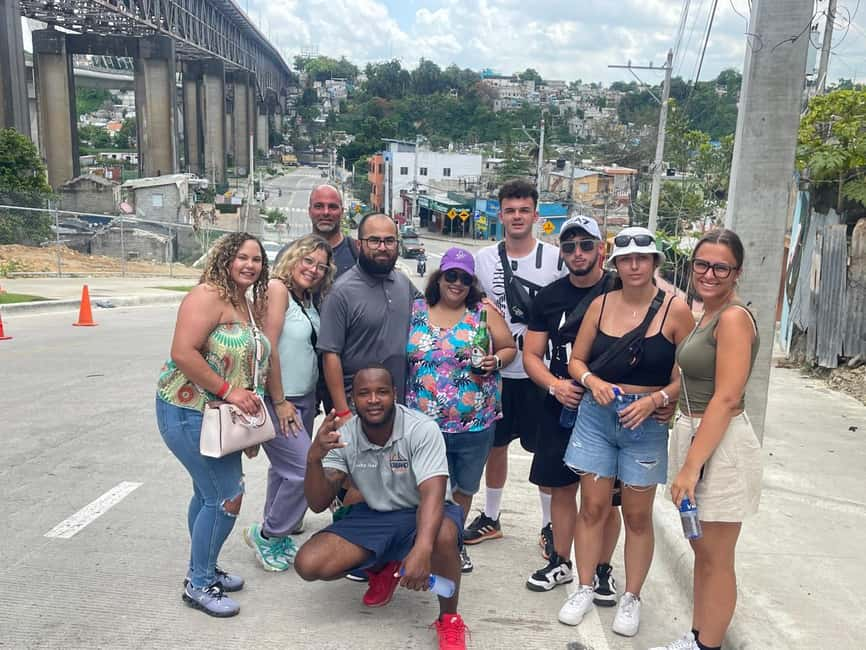
- Start at Eduardo Brito Station: The meeting point is about five minutes from the main tourist areas, at Estación del Metro Eduardo Brito in Gualey.
- Eat like a local: Depending on the departure time, you receive Dominican empanadas or a chimi, plus coffee, water or soda, and fundita ice cream.
- See daily life up close: The route includes a market, local shops, neighborhood streets, and a typical Dominican house.
- Ride above the city: The Santo Domingo cable car provides wide views from the National District toward northern Santo Domingo.
- Use public transport: Your ticket includes both the cable car and metro, turning ordinary city travel into part of the experience.
- Best for curious walkers: You need comfortable clothes and shoes, but one detailed review noted that the amount of walking is manageable in the heat.
Why this tour gives you a different Santo Domingo
Santo Domingo is often reduced to its old stone streets, churches, and waterfront. Those sights matter, but they do not explain how most residents experience the city day to day. This four-hour outing gives you a look at neighborhoods just outside the usual visitor circuit.
You walk streets where people live, shop, work, and return home. You may meet residents, stop at small businesses, and see ordinary public spaces rather than monuments built for sightseeing. That makes the experience valuable for anyone who wants social context along with photographs.
The tone depends heavily on the guide. Juan, Mike, Joel, and Maiky are named in the feedback, and each is praised for being warm, attentive, and easy to talk with. Joel stayed with a solo woman until her ride arrived, and one guide helped a participant who had trouble finding the meeting point. Those details matter because a neighborhood tour works best when you feel accompanied, not simply led from stop to stop.
The tour is also close to the Colonial Zone. You do not need to give up a full day or travel far outside central Santo Domingo to take part. At $55 per person, the price covers four hours, several tastings, transport during portions of the route, and cable car and metro fares. I consider that a fair package, especially if you value access and explanation more than a long list of formal attractions.
Other trips people book in Santo Domingo:
- Santo Domingo: Los Tres Ojos, Boca Chica & More
★ 4.8 · 219 reviews - Colonial Zone: Historical Tour with a visit to the Columbus Lighthouse and Tres Ojos Park
★ 4.9 · 157 reviews - Santo Domingo: Colonial Zone Bike Tour
★ 5.0 · 127 reviews
Meeting at Eduardo Brito Metro Station
The tour begins at Eduardo Brito Metro Station in Gualey. The stated coordinates are 18.5042498, -69.8842183, and the guides wear gray shirts marked with the Urbano Tours logo.
This is a practical starting point because the station connects directly to the public transport portion later in the day. It also gets you out of the polished center right away. Allow a little extra time to find the exact entrance, especially if you do not speak Spanish. One solo participant got lost while searching for the meeting point, though local people helped direct her.
Your guide gathers the group and sets the tone before the walking portion begins. Since the tour can be booked by one person, it works for solo visitors as well as couples and families. One family took part with a five-year-old, but you should still judge the route by your own child’s comfort with walking, street activity, and public transport.
Coffee, neighborhood signs, and the first local encounters
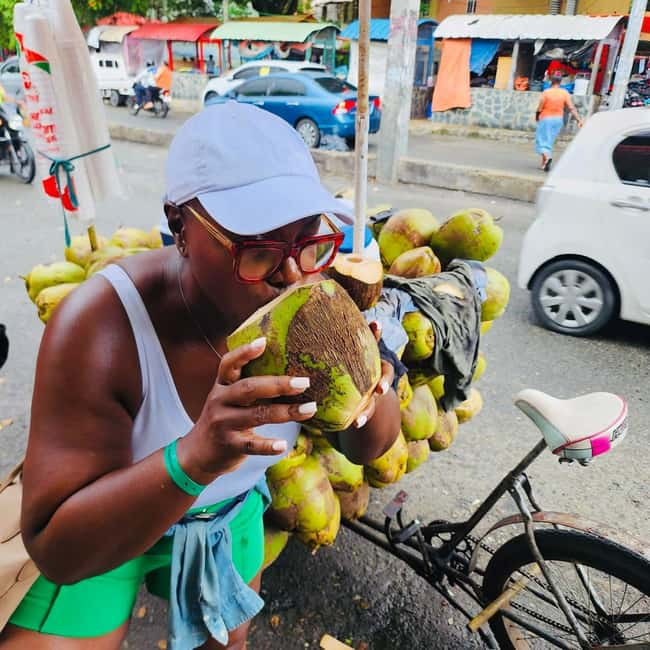
The first stops introduce you to the neighborhood rather than rushing toward a major attraction. You see the area’s sign, walk the streets, and share Dominican coffee. This is a small start, but it helps you slow down and notice the setting.
Coffee also gives the guide a natural way to talk about local habits and hospitality. You are not just passing through with a camera. You have a drink, talk with the people around you, and begin to understand how the area functions.
The human contact is one of the strongest parts of the route. The guides are described as proud of their communities and comfortable greeting residents. That can make the experience feel more like an introduction from a local acquaintance than a standard city excursion.
Still, keep your expectations sensible. This is a working neighborhood, not a staged cultural village. Streets, homes, shops, and public areas may look rougher or more crowded than the Colonial Zone. The value comes from seeing a less polished side of the capital with someone who can explain it.
Market stalls, shops, and a Dominican home
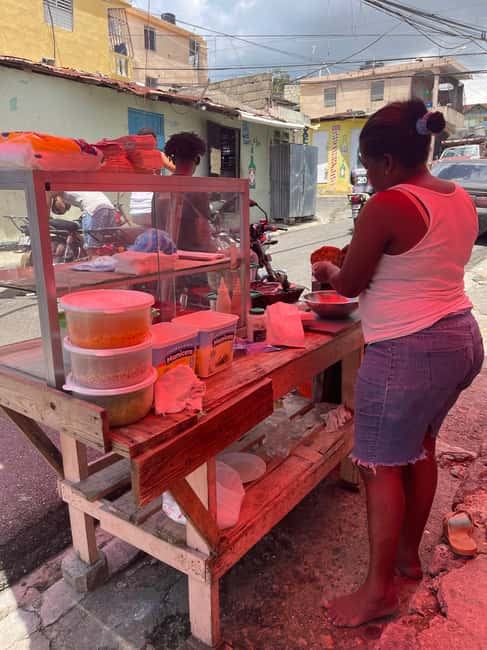
The walk continues through a food market and local shops. This section gives you a practical view of what people buy and how neighborhood commerce works. You may see the kinds of snacks, ingredients, and everyday goods that do not usually appear on a formal sightseeing route.
The market is also a good place to ask questions. Your guide can explain what you are seeing, help with Spanish-language interactions, and point out details that might otherwise pass too quickly. Keep your attention on the surroundings and follow the guide’s advice about photographs.
A visit to a typical Dominican house adds another layer. Instead of only seeing public streets, you get a glimpse of domestic space and the way a local family has organized its home. The stop is brief but memorable because it turns broad ideas about local life into something concrete.
This is where respectful behavior matters most. Ask before taking photographs of people or private areas, and listen when your guide explains what is appropriate. The point is to meet people with dignity, not treat the neighborhood as a backdrop.
Same base, a different sort of day:
- Ron Barcelo Anejo Experience Factory Tour
★ 5.0 · 111 reviews - Punta Cana: Santo Domingo Day Trip with Tickets and Lunch
★ 3.4 · 85 reviews - From Santo Domingo: Saona Island Day Trip w/ Lunch & Drinks
★ 3.9 · 83 reviews - Santo Domingo: City Highlights Guided Bike Tour
★ 4.9 · 72 reviews
Fundita ice cream and local breakfast
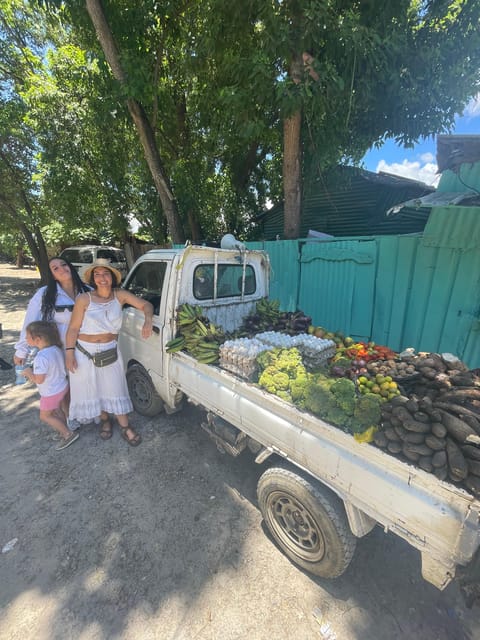
Food is not an afterthought here. You receive Dominican coffee, typical ice cream called helado de fundita, and a savory local item. On the morning tour, that item is Dominican empanadas. On the afternoon departure, it is a Dominican burger called a chimi.
The fundita ice cream is a particularly distinctive stop. It is a simple neighborhood treat, often sold in a small plastic bag, and it gives you a taste of an everyday snack rather than a restaurant version of Dominican food. One participant singled out the ice cream, quipes, and chocolate as favorite bites, though quipes and chocolate are not listed as guaranteed inclusions.
The breakfast stop takes place at a local food stand. You eat where residents eat, which gives you a direct connection to the neighborhood economy. The food is part of the $55 package, so you do not need to budget separately for the listed tastings, although carrying a few Dominican pesos would let you buy extra items from local businesses.
If you have dietary restrictions, ask before booking or confirm with the operator. The provided details do not specify vegetarian, allergy-friendly, or gluten-free alternatives. The food is casual and local, not a sit-down meal, so choose this tour for atmosphere and sampling rather than a long restaurant experience.
Seeing Santo Domingo from the cable car
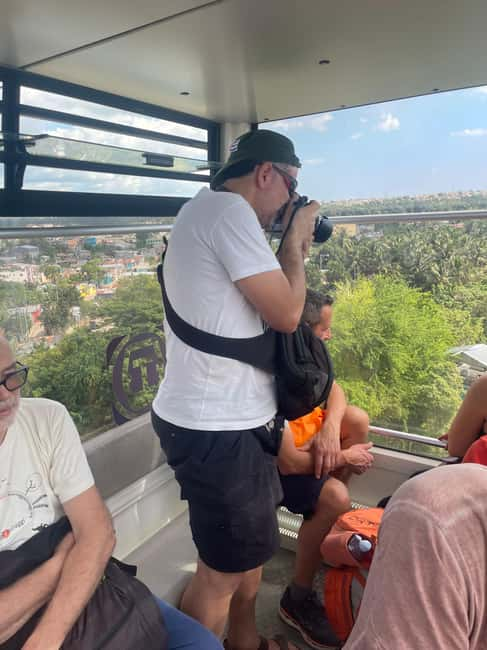
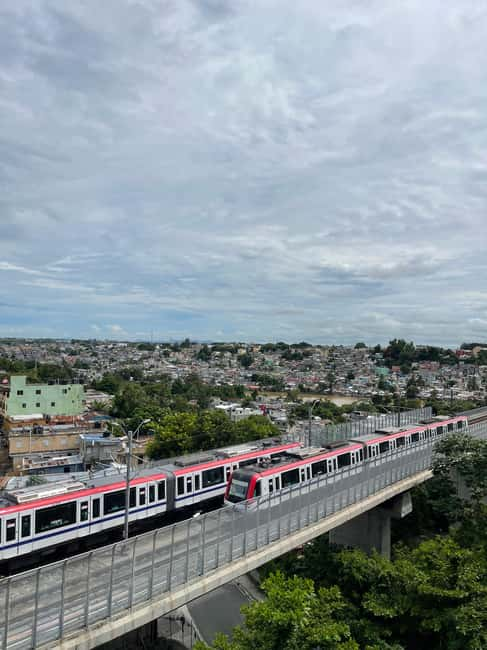
The cable car is the visual high point. After walking at street level, you rise above the neighborhoods and see how Santo Domingo spreads from the National District toward northern Santo Domingo.
From above, the city’s scale becomes easier to understand. Colorful homes, roads, dense blocks, and public spaces fit together in a way that is hard to grasp from one sidewalk. The guide adds background about the area, so the ride is not just a photo stop.
The cable car also has practical value. It is part of the city’s public transport system, not a sightseeing ride built only for visitors. Using it with residents gives you a better sense of how people move through Santo Domingo.
Bring your phone or camera, but do not let the view replace the explanation. The guide can point out neighborhoods and discuss how the city has developed. Weather can affect the quality of the view, and the car may not feel like a private sightseeing cabin, so expect a public transport experience with excellent angles for photos.
The cable car fare is included. That makes the activity more useful than a tour that simply drives you past a neighborhood and leaves you with no sense of how people get around.
Returning by Santo Domingo metro

The final transport segment is a ride on the Santo Domingo train, or metro, before you return to the entrance of the station. Metro fare is included, and the ride completes the idea of seeing the city through normal public transport.
This is a smart ending. You have already walked through the neighborhood and seen it from above. Now you travel at street level and below ground, using the same kind of system many residents use. It gives the tour a clear rhythm: local food, neighborhood life, an elevated view, then a practical ride back.
The transport portions account for about 45 minutes in the stated schedule. The neighborhood visit, including food and walking, takes roughly two hours, with another short guided photo stop. The full experience lasts four hours, though the exact pace will depend on the group and the day.
An air-conditioned vehicle is used during some portions of the tour. You should still dress for heat and wear comfortable shoes. One participant found there was not too much walking, but this remains an active outing with streets, steps, public transport, and time outdoors.
Safety, comfort, and what to expect socially
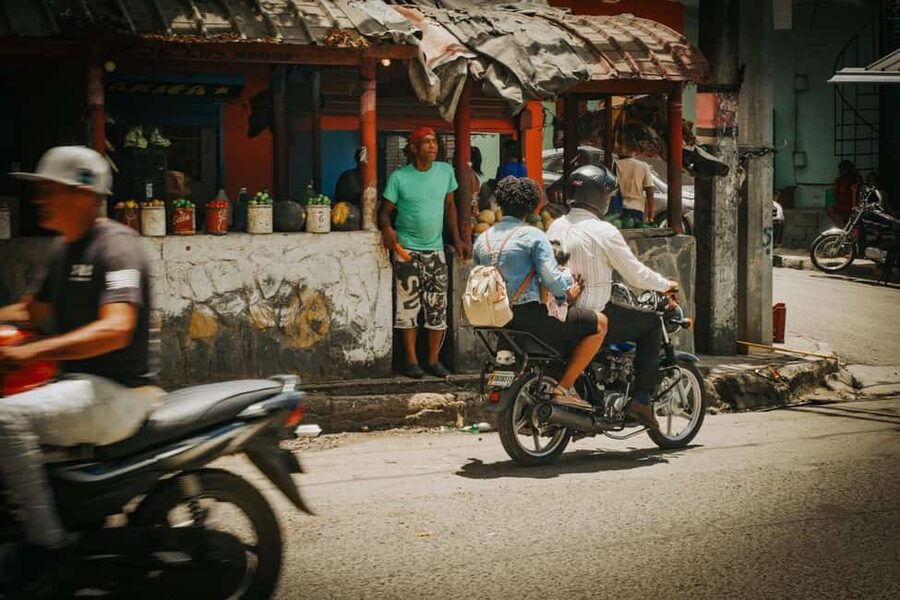
Safety is a major concern for anyone leaving the usual tourist zone, especially solo visitors. The guides receive repeated praise for staying attentive, helping people who are delayed or lost, and making participants feel welcome. One guide accompanied a solo woman until her ride arrived, which is the kind of practical care I value.
That said, the tour does not remove the need for ordinary city awareness. Keep your belongings secure, follow the guide, and avoid wandering away from the group. You are visiting real neighborhoods, so behave as you would anywhere else: ask before photographing people, avoid intrusive questions, and support local sellers when you can.
The social side is central to the experience. You may chat with residents, greet people in the streets, and see the friendly relationship between the guides and the community. If you prefer a quiet route focused on architecture, this may feel too interactive. If you want conversation and contact, it is a strong choice.
The tour is offered in English and Spanish. English-language participants describe the communication as clear, and the guides are praised for explaining culture, history, politics, education, litter, and other everyday concerns in an accessible way.
Is $55 a good value?
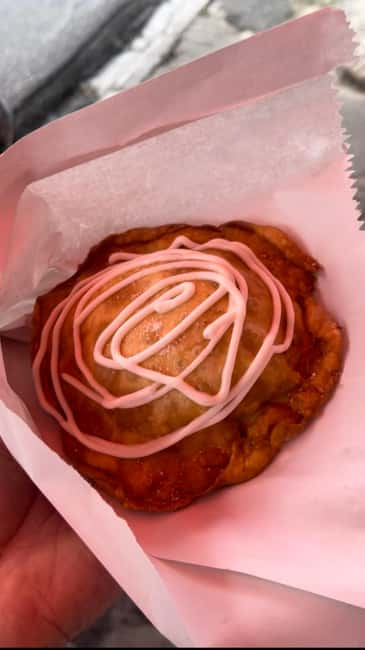
At $55, this is not the cheapest way to spend four hours in Santo Domingo. But the price includes more than a walk. You receive a guide, coffee, ice cream, a Dominican food item, water or soda, cable car fare, metro fare, and transport by air-conditioned vehicle during some sections.
The bigger value is access. You could ride the metro or cable car alone for much less, but you would not necessarily know where to go, how to read the neighborhood, or how to meet local people respectfully. You would also miss the house visit and the food stops.
I would choose this tour if you have already seen, or plan to see, the Colonial Zone and want a fuller picture of the capital. It is especially useful early in your stay because it can help you understand Santo Domingo before exploring on your own.
I would skip it if your priority is museums, colonial architecture, or a formal food tour. It is also not suitable for wheelchair users, and anyone who dislikes heat, casual street food, or public transport should think twice.
Who should book this experience?
This tour suits solo visitors, couples, families with older children, and anyone curious about ordinary urban life. It has enough food and scenery to keep the pace lively, but its main purpose is conversation and context.
It is a particularly good match for visitors who want more than the tourist center. The guides take pride in their communities, and the route offers several ways to connect with them: coffee, market visits, a home, food stands, and public transport.
Pack comfortable shoes and light clothing. Bring water even though water or soda is included, and carry some pesos if you want to purchase extra snacks or support neighborhood shops. The tour accepts one-person bookings, offers English and Spanish guidance, and allows cancellation up to 24 hours before the start for a full refund. You can also reserve now and pay later.
Should you book it?
Book this tour if you want Santo Domingo to feel like a living city rather than a collection of sights. The best parts are the personal guidance, ordinary food, neighborhood conversations, and cable car view. Guides such as Juan, Mike, Joel, and Maiky help make those pieces feel connected.
Skip it if you want a polished bus tour or a strictly historic route. For an open-minded visitor who values local contact and practical city context, $55 is a reasonable price for four useful hours.
FAQ
How long does the Santo Domingo neighborhood tour last?
The tour lasts four hours.
Where does the tour begin?
It begins at Estación del Metro Eduardo Brito in Gualey, Distrito Nacional. The coordinates are 18.5042498, -69.8842183.
How close is the meeting point to the main tourist area?
The meeting point is described as about five minutes from the touristic areas.
Which languages are available?
The tour is offered in English and Spanish with a live guide.
What food and drinks are included?
The tour includes Dominican coffee, typical Dominican ice cream, water or soda, and a Dominican food item. The morning tour offers empanadas, while the afternoon tour offers a chimi, a Dominican burger.
Are the cable car and metro rides included?
Yes. The cable car fare and metro fare are included in the price.
Can I book if I am traveling alone?
Yes. Bookings can be made for one person or more.
Is the tour suitable for wheelchair users?
No. The experience is not suitable for wheelchair users.
What should I bring?
Bring comfortable shoes and comfortable clothes. Carrying some Dominican pesos is also useful if you want to buy additional items from local businesses.
Just added in Santo Domingo
- Saona Island Tour From Santo Domingo with Lunch and Pickup★ 4.2 · 60 reviews
- Santo Domingo: Historical City Tour★ 4.9 · 42 reviews
- Santo Domingo: Colonial Zone Walking Tour with Tastings★ 4.7 · 37 reviews
- Santo Domingo: Three Eyes National Park Guided Tour★ 4.0 · 41 reviews
- Santo Domingo: Colonial Zone Tour with tasting★ 4.7 · 63 reviews
- Santo Domingo: Bachata or Salsa Dance Classes★ 4.9 · 41 reviews
- Santo Domingo: City Highlights Guided Bike Tour★ 4.9 · 72 reviews
- Santo Domingo: Colonial Zone, 3 Eyes, Cave Cable Car Tour★ 4.5 · 45 reviews
Santo Domingo, compared.
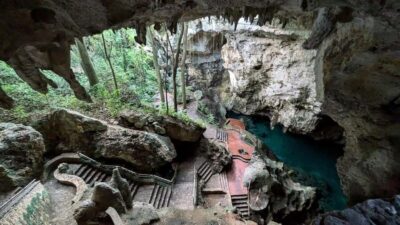
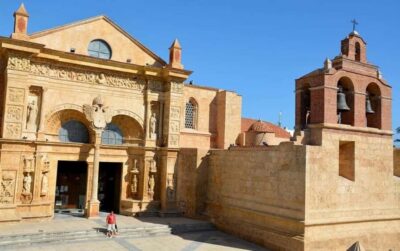
Colonial Zone: Historical Tour with a visit to the Columbus Lighthouse and Tres Ojos Park
Read our review →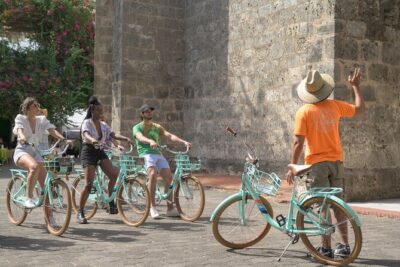


Browse the lists this tour appears in