
Reviewed · SANTO DOMINGO
Santo Domingo: Historical City Tour
Santo Domingo’s Zona Colonial packs the early story of European America into walkable streets, old stone courtyards, churches, forts, and waterfront views. This four-hour private tour takes you from the first cathedral to Ozama Fortress, then through Calle Las Damas and several important museums.
I like the included admissions to the cathedral, fortress, Pantheon, and museums, and I like the private format, which gives you room to ask questions or move at a comfortable pace. Guides such as José, Samuel Solomon, Luis, Miguel Angeles, and Mr. Gomez have been praised for clear storytelling and good timing. The main drawback is the walking: uneven cobbles, heat, and limited accessibility make this a poor fit for wheelchair users or anyone with mobility trouble.
Key points to know before you book
- Four hours on foot: The tour runs from 10:00 AM to 2:00 PM, with a substantial amount of walking through the Colonial Zone.
- Several firsts in one morning: You visit the first cathedral, first cobblestone street, first hospital site, first shipyard, and first viceregal palace in the Americas.
- Ozama Fortress includes river views: The old military site gives you a different angle on the Ozama River and the city’s early defenses.
- Private guiding adds flexibility: English, Spanish, and German are available, and your guide can spend more time on the subjects that interest you.
- Admissions are built in: Cathedral, fortress, National Pantheon, Museo de las Atarazanas Reales, and Centro Cultural Taino Casa del Cordon entry fees are included.
- Come prepared for sun: Comfortable shoes, sunscreen, sunglasses, and a hat matter here, especially during the late-morning walk.
Starting among Santo Domingo’s earliest streets
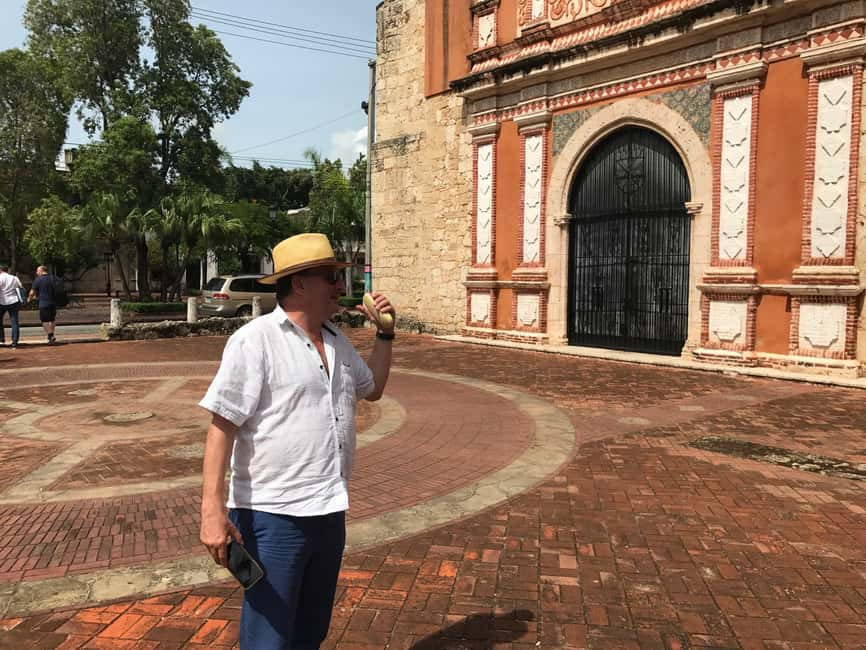
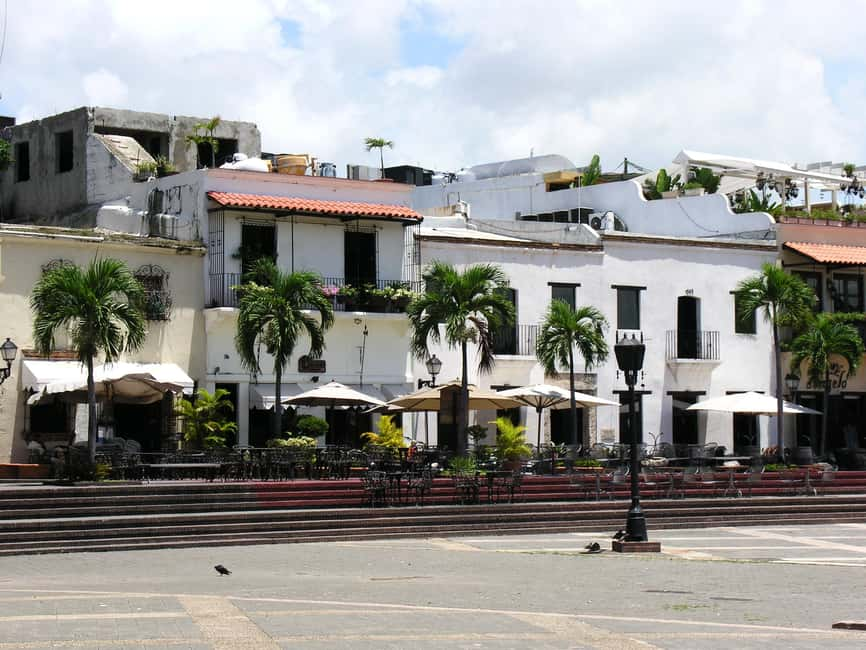
The tour begins in Zona Colonial, the oldest part of Santo Domingo and a UNESCO World Heritage Site. This is the right place to start because the city’s importance is not hidden behind a single grand monument. It appears in the street plan, the stone buildings, the narrow lanes, and the close spacing between church, government, military, and commercial sites.
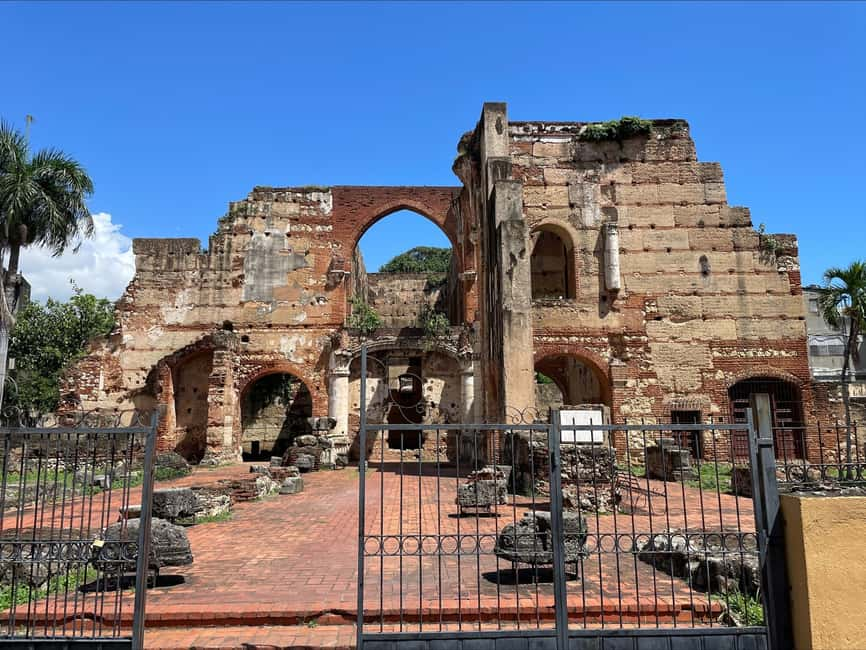
Your guide leads you through the colonial quarter on foot, pointing out how the district served as an early base for Spanish power in the Americas. You’ll hear about the first governor’s residence, the first hospital, the first shipyard, and the first viceregal palace on the continent.
That collection of firsts can sound like a history lesson, but the walking route gives it a useful physical scale. You are not simply hearing that institutions existed here. You are seeing how close they were to one another and how a small fortified settlement became a major center of administration and religion.
The private format is helpful in this part of the tour. If you want more explanation about architecture, church history, Dominican culture, or the city’s colonial role, you can ask without holding up a large group. Guides speak English, Spanish, or German, and bilingual guiding is possible. One guide, José, was praised for moving between English and Spanish so that an American and Dominican family could both take part fully.
Other ways to see Santo Domingo in a day:
- Santo Domingo: City Highlights Guided Bike Tour
★ 4.9 · 72 reviews - Full-Day Santo Domingo City Tour from Punta Cana
★ 4.5 · 4,500 reviews - Nassau Island Highlights Sightseeing Tour
★ 4.5 · 1,476 reviews
Inside the first cathedral
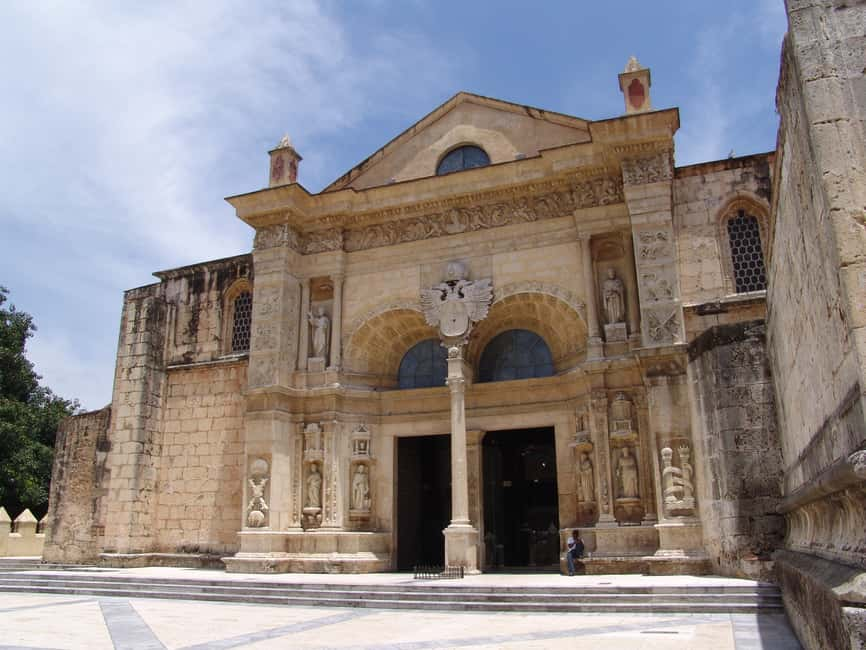
The Basilica Cathedral of Santa María la Menor receives about 30 minutes. It is one of the essential stops, not only for its religious importance but also for what it represents: this is identified as the first cathedral in the Americas.
The visit gives the tour a clear anchor. After walking through streets and hearing about early settlements, you enter one of the buildings that made Santo Domingo a center of Catholic life. The tour also covers the first bishop connected with the city, who was sanctified, along with the wider role of church institutions in the early colonial period.
You should expect a guided sightseeing visit rather than a long quiet period for independent study. That suits you if you want the main facts explained in context. If you prefer to examine every architectural detail at your own pace, 30 minutes may feel short, especially if the cathedral is busy.
Dress and behave respectfully in this religious setting. Comfortable walking shoes are essential, but high heels are not allowed on the tour. A camera is recommended, though you should follow any rules in place inside the cathedral.
Ozama Fortress and the river view
The next major stop is Fortaleza Ozama, with roughly 30 minutes for sightseeing. This old fortress is one of the tour’s strongest stops because it connects Santo Domingo’s religious and civic story with its military purpose.
From the fortress, you get views toward the Ozama River. That outlook helps explain why the site mattered. The river provided access and a route for trade, but it also needed protection. The thick walls and elevated position make the early city’s defensive concerns easy to understand.
I like the contrast between the cathedral and the fortress. One shows the city’s religious authority, while the other shows its effort to control movement and protect the settlement. Together, they give you a more complete picture than a church visit alone.
Allow for sun and uneven surfaces here. The tour is not designed for wheelchair users or people with mobility impairments, and the supplier also lists it as unsuitable for children under five and people over 80. That does not mean every older visitor will struggle, but the amount of walking and the historic surfaces deserve an honest assessment.
Calle Las Damas and the colonial street plan
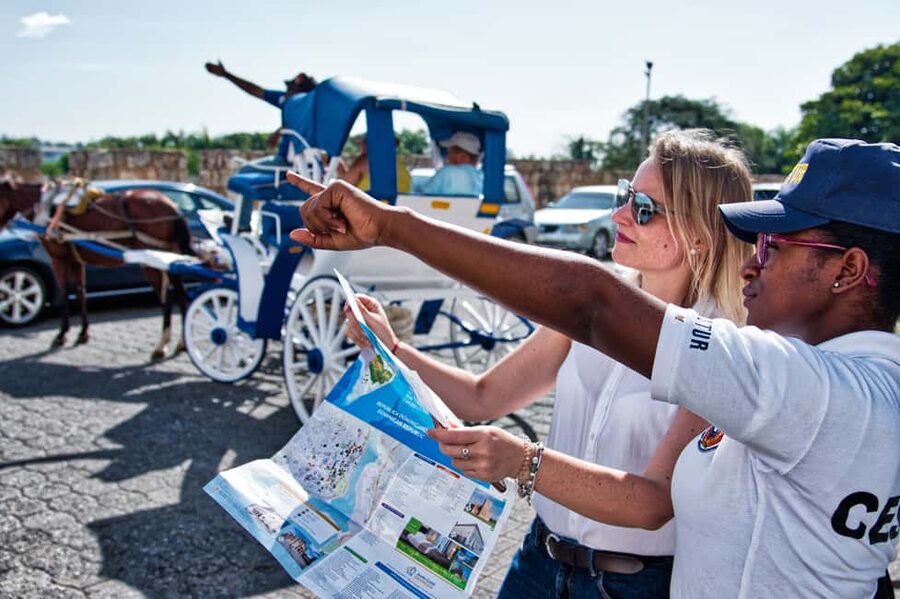
The walk continues along Calle Las Damas, described as the first cobblestone street in the Americas. This is one of those places where the experience comes from simply walking slowly and looking around.
The street links several major sites and helps you understand the layout of the old district. You’ll see colonial alleys and squares, old façades, government buildings, and landmarks that still form part of everyday Santo Domingo. The point is not just to photograph the stones. It is to notice how the city’s oldest quarter remains part of modern Dominican life.
The longer walking portion takes about 80 minutes. That is enough time for a substantial tour of the Colonial Zone, but the pace may vary depending on questions, crowds, and time spent at the included attractions. Since the group is private, you have a better chance of getting the balance right.
This is also where the tour gives you its clearest sense of daily life. The district is not a museum sealed off from the city. People live, work, pass through, and use its streets. You will see an active historic center rather than only polished monuments.
Same base, a different sort of day:
- Santo Domingo: Los Tres Ojos, Boca Chica & More
★ 4.8 · 219 reviews - Colonial Zone: Historical Tour with a visit to the Columbus Lighthouse and Tres Ojos Park
★ 4.9 · 157 reviews - Santo Domingo: Colonial Zone Bike Tour
★ 5.0 · 127 reviews - Ron Barcelo Anejo Experience Factory Tour
★ 5.0 · 111 reviews
The National Pantheon and Alcázar de Colón
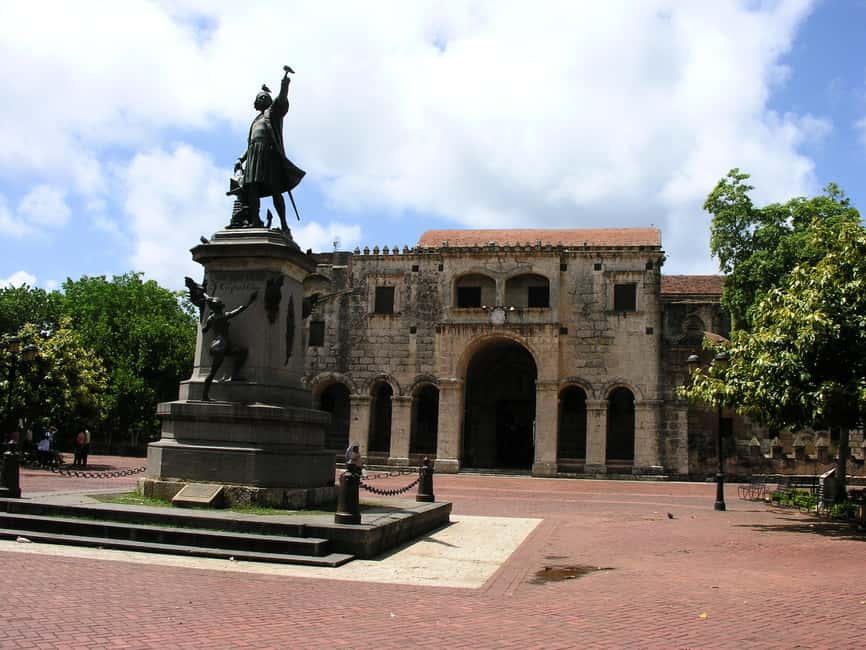
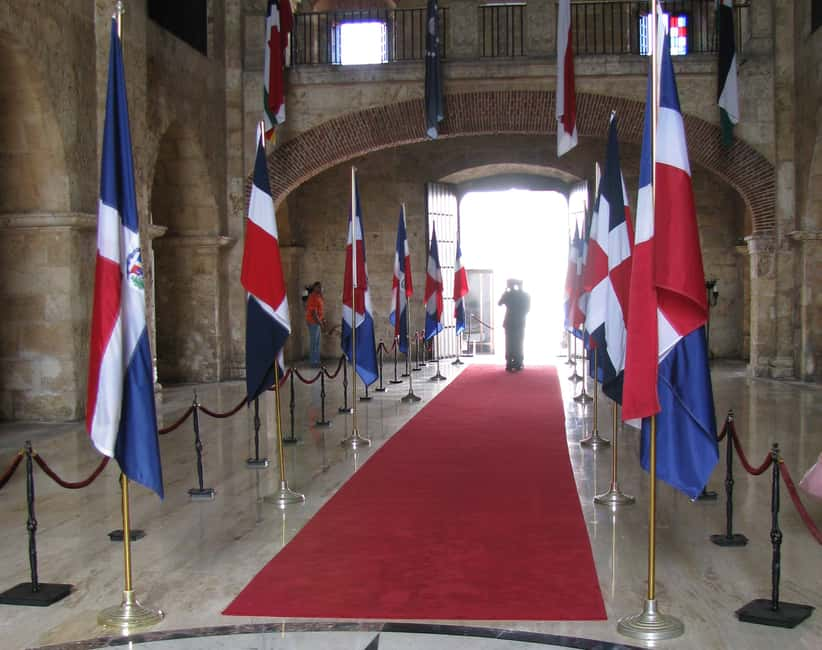
The National Pantheon of the Dominican Republic is listed as a brief photo stop. You have about a minute in the stated schedule, so treat this as an exterior look rather than a full visit. It is useful for a quick photograph and for seeing another important civic building within the tight cluster of the Colonial Zone.
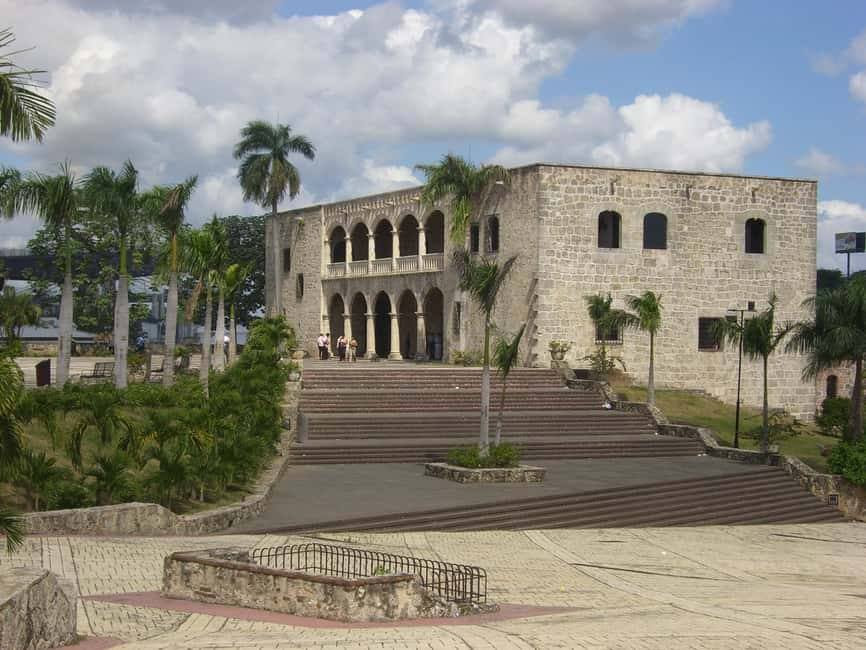
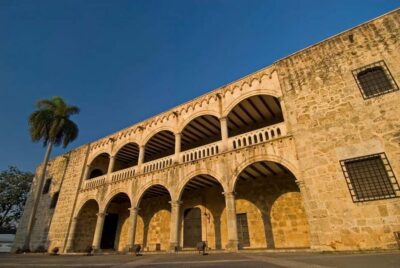
Alcázar de Colón receives about five minutes for photographs. The building is tied to the Colón family and sits among the area’s most recognizable colonial landmarks. Again, the short timing means you should not expect a lengthy interior examination at this point in the route.
These quick stops work best as part of the wider walk. They add visual landmarks and help you connect the city’s early political power with the streets around you. If you want a detailed museum visit at either site, ask your guide whether the schedule can accommodate extra time. The published four-hour plan has several stops to cover.
Museums that add context to the walk
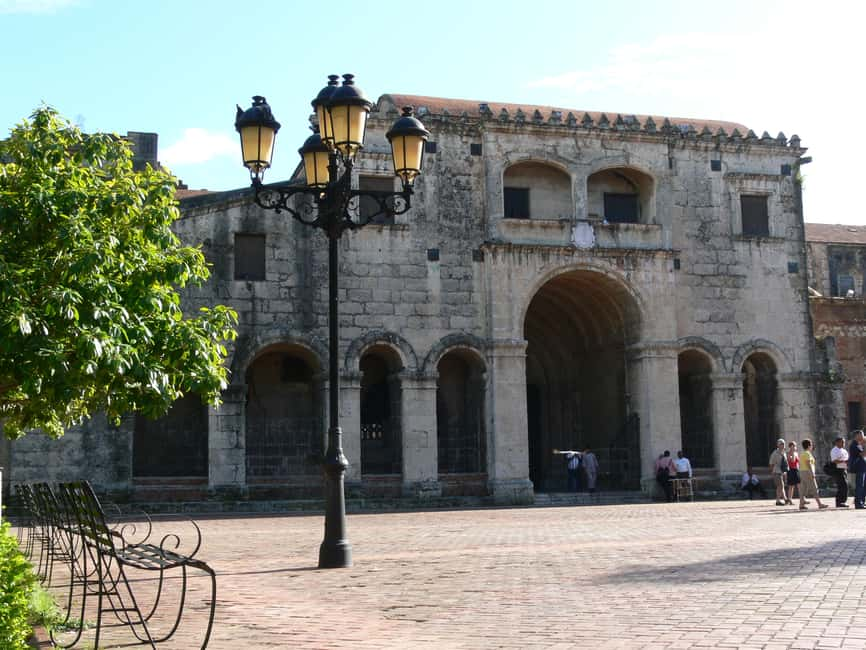
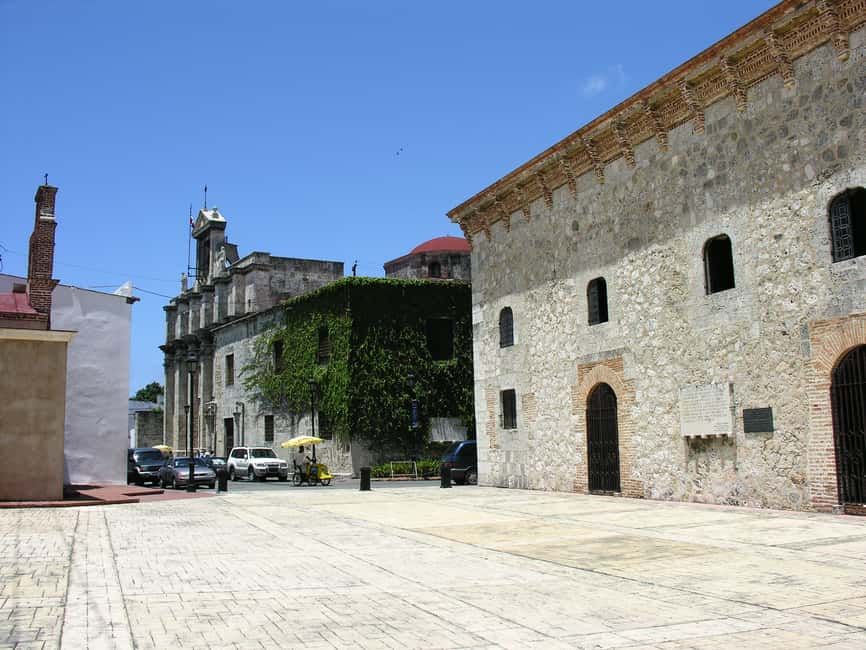
Admission is included to Museo de las Atarazanas Reales and Centro Cultural Taino Casa del Cordon. These museums broaden the tour beyond Spanish colonial buildings.
Museo de las Atarazanas Reales relates to the maritime and commercial side of Santo Domingo. Its inclusion fits the tour’s attention to the first shipyard and the city’s place in early Atlantic travel. It gives you a chance to connect the waterfront with the movement of ships, goods, and people.
Centro Cultural Taino Casa del Cordon adds another important perspective by bringing attention to Taíno culture. That matters because a tour focused on European beginnings can otherwise leave the island’s earlier people in the background. The museum helps place Santo Domingo’s colonial story within a longer local timeline.
The exact time spent in each museum is not specified, so expect your guide to manage the stops within the four-hour schedule. One past participant particularly appreciated using museum headphones, which may be available depending on the site and current arrangements. Do not count on a private museum lecture, but do expect these admissions to make the tour more than an outdoor photo walk.
What the guides add
The guide is the most important variable in a tour built around history and architecture. Here, the supplied guide team includes Spanish, English, and German speakers. Specific guides praised for their approach include José, Samuel Solomon, Luis, Miguel Angeles, Mr. Gomez, and others.
The strongest pattern is clear explanation with a personal touch. José is described as friendly, professional, passionate, and able to keep a mixed-language group involved. Samuel Solomon was noted for staying on schedule. Miguel Angeles was praised for being personable and entertaining, while Mr. Gomez helped explain the Dominican Republic and Santo Domingo in a way that made the setting easier to understand.
That matters because the Colonial Zone can be confusing without context. A good guide tells you why a building matters, not just its name. You should also feel free to ask about modern Dominican life, local customs, and the way the old district is used today.
Because this is a private group, the experience may suit couples, families with older children, or friends who want a more focused visit. Party groups are not allowed, and unaccompanied minors are not accepted.
Is the $105 price good value?
At $105 per person, this is not the cheapest way to walk around Zona Colonial. The value depends on what you want from the visit.
The price includes a local guide, pickup within accommodations in the Old City District, nonalcoholic drinks, and admission to several major sites. If you paid separately for entry and then hired a guide, the difference could narrow. The private format also has real value if you are traveling with a small group, need English, Spanish, or German, or want to ask plenty of questions.
It is less compelling if you only want to stroll independently and take exterior photos. Much of the Colonial Zone is walkable without a paid tour, and the short photo stops at the Pantheon and Alcázar may not satisfy you if your main goal is extended interior visits.
For a first morning in Santo Domingo, I think the price is reasonable when you use the guide well. Ask questions, request context about Taíno culture and Dominican life, and tell the guide which sites matter most to you. The tour earns its cost through explanation and organization, not just transportation.
Pickup is included from accommodations in Zona Colonial, with exceptions possible. Pickup elsewhere in Santo Domingo costs extra. You should wait in your lobby at least five minutes before the scheduled time.
Practical advice for a comfortable morning
The tour begins at 10:00 AM and ends at 2:00 PM. That late-morning schedule gives you a clear half-day plan, but it also places most of the walking in the sunniest part of the day.
Wear walking shoes with good support. The old streets are cobbled and uneven, and bare feet are not allowed. Bring sunscreen, sunglasses, a sun hat, and a camera. Nonalcoholic drinks are included, but you should still prepare for a warm walk.
The tour is not suitable for wheelchair users or people with mobility impairments. It is also not suitable for children under five or people over 80 according to the stated restrictions. If someone in your group walks slowly but can manage historic streets, discuss the pace with the provider before booking.
Pets, drones, alcohol and drugs, nudity, and party groups are not allowed. These rules are sensible for a historic district that includes religious and civic sites.
You can cancel up to 24 hours in advance for a full refund, and the reserve-now, pay-later option keeps your plans flexible. Check the available start time when booking, though the stated schedule is 10:00 AM to 2:00 PM.
Should you book this Santo Domingo tour?
Book it if you want a guided introduction to Santo Domingo’s oldest district and prefer to see the main sites in one organized morning. The combination of cathedral, fortress, colonial street, museums, civic landmarks, and river views gives you a solid first look at the city.
I would especially choose it for first-time visitors, history-minded travelers, families with older children, and anyone who wants help making sense of the Colonial Zone. The private format and multilingual guides are strong advantages.
Skip it if you dislike walking, need step-free access, or prefer spending a long time inside one museum. You may also find better value by exploring independently if you already know the district well.
For most visitors with four hours to spare, this is a useful and well-planned introduction. Bring good shoes, protect yourself from the sun, and let the guide turn a collection of old buildings into a readable story of Santo Domingo.
FAQ
How long does the Santo Domingo Historical City Tour last?
The tour lasts approximately four hours, from 10:00 AM to 2:00 PM.
Where does the tour begin?
The tour begins in Santo Domingo’s Zona Colonial. Pickup is available from accommodations in the Old City District, with some exceptions.
Is pickup available outside Zona Colonial?
Pickup elsewhere in Santo Domingo is available for an extra charge.
What languages are available?
The live guide is available in Spanish, English, and German.
Is this a private tour?
Yes. The activity is arranged as a private group experience.
What admission fees are included?
Entry to the Basilica Cathedral of Santa María la Menor, Fortaleza Ozama, the National Pantheon, Museo de las Atarazanas Reales, and Centro Cultural Taino Casa del Cordon is included.
Is the tour suitable for wheelchair users?
No. The tour is not suitable for wheelchair users or people with mobility impairments.
What should I bring?
Bring comfortable shoes, sunscreen, sunglasses, a sun hat, and a camera.
Can I cancel the tour for a refund?
You can cancel up to 24 hours in advance for a full refund. You can also reserve now and pay later.
Just added in Santo Domingo
- Saona Island Tour From Santo Domingo with Lunch and Pickup★ 4.2 · 60 reviews
- Santo Domingo: Three Eyes National Park Guided Tour★ 4.0 · 41 reviews
- Santo Domingo: Colonial Zone Walking Tour with Tastings★ 4.7 · 37 reviews
- Santo Domingo: The Authentic Dominican Neighborhood Tour★ 4.8 · 68 reviews
- Santo Domingo: Colonial Zone Tour with tasting★ 4.7 · 63 reviews
- Santo Domingo: Bachata or Salsa Dance Classes★ 4.9 · 41 reviews
- Santo Domingo: City Highlights Guided Bike Tour★ 4.9 · 72 reviews
- Santo Domingo: Colonial Zone, 3 Eyes, Cave Cable Car Tour★ 4.5 · 45 reviews
Santo Domingo, compared.
Colonial Zone: Historical Tour with a visit to the Columbus Lighthouse and Tres Ojos Park
Read our review →


Browse the lists this tour appears in