Reviewed · THE BRITISH VIRGIN ISLANDS
Private Pottery Experience at British Virgin Islands
The best part of this Tortola outing is that you do not simply watch a craft demonstration. Karl Burnett puts clay in your hands, then gives you time to make something yourself at the wheel or on the worktable. I like the private format and the scenic drive, which turns the ride into a small island tour rather than a basic transfer. I also like that the studio, garden, kiln, and gallery give the class a strong sense of place.
The main thing to keep in mind is that your finished pieces cost extra to keep, with firing and handling fees ranging from $5 to $20 depending on size and weight. The three-hour visit is a good break from the beach and sun, but the pottery class is the only scheduled activity, with no extra stops built into the route.
Key points to know before booking
- Private class with Karl Burnett: Only your group takes part, so Karl can give direct help at the wheel and adjust the lesson to your group.
- Two ways to work with clay: Try the potter’s wheel or build a piece by hand using basic clay techniques.
- Scenic transport included: Air-conditioned pickup and return are provided, with island information during the coastal and ridge-road drive.
- Tropical studio setting: The workshop includes a garden, outdoor wood-fired kiln, and gallery of Karl’s handmade pottery.
- Finished pieces cost extra: Keeping your creation costs $5 to $20, based on its size and weight.
- Useful for cruise days: The outing begins and ends at the meeting point at 164 Waterfront Drive in Road Town, with pickup arrangements available.
Why this pottery class feels different from a standard island tour
Tortola is famous for sailing, beaches, and bright water, but you do not have to spend every hour outdoors to enjoy the island. This class gives you a hands-on look at local creative work, with enough driving and conversation to add some context about Tortola.
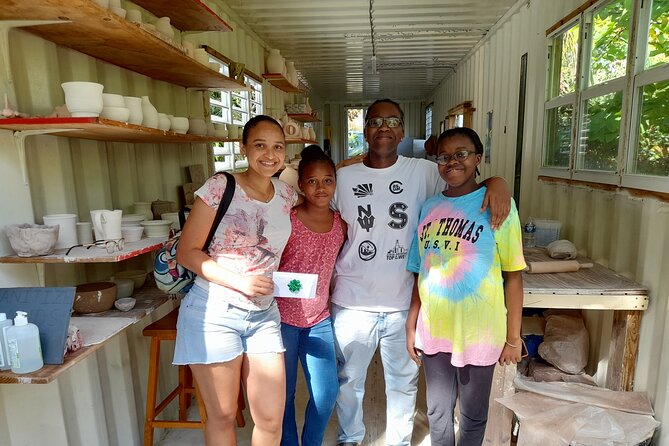
The setting matters. The Pottery Garden is not described as a plain indoor classroom. The workshop opens toward a tropical garden, and the visit includes Karl’s outdoor wood-fired kiln and studio gallery. That combination makes the class feel tied to the island instead of being an activity that could happen anywhere.
I also appreciate the small-group setup. Since the activity is private, your group can decide how much time to spend at the wheel, how much to listen to the demonstration, and whether hand building suits you better. A large class often leaves beginners waiting for help. Here, Karl can watch your hands, correct your technique, and help rescue a bowl that begins to lean.
You should still keep expectations realistic. Pottery takes practice. Karl may make the wheel look easy, but a first attempt can produce lopsided bowls, uneven plates, or shapes that seem more comic than artistic. That is part of the fun, but this is not a guaranteed route to a polished souvenir.
Other trips people book in the Caribbean:
- San Juan Guided Snorkel With Turtles Tour and Videos
★ 5.0 · 12,947 reviews - Top Rated El Yunque Rainforest & Waterslide – SmallGroup Tour
★ 5.0 · 12,789 reviews - Adventure Bundle: Monkeyland, Ziplines & Buggies Punta Cana
★ 5.0 · 10,715 reviews
The ride from Road Town to The Pottery Garden
Pickup is offered, and the listed meeting point is 164 Waterfront Drive in Road Town. The vehicle is air-conditioned and includes bottled water, which is welcome in Tortola’s warm climate. If you are coming from a cruise ship or another accommodation, confirm the exact pickup point and timing when you book.
The drive is part of the value. Karl provides information about Tortola during the trip, using coastal and ridge roads on the way to and from the studio. You get more than a silent shuttle ride, and the route helps place the pottery class within the island you came to see.
One useful detail is that this is a dedicated pottery route. The class option does not include a collection of unrelated sightseeing stops. That keeps the outing focused, but it also means you should not book it expecting a full-day island tour or a beach visit. If you want extra stops, plan them separately before or after the class.
For cruise visitors, timing deserves care. The tour ends back at the meeting point, but you should leave enough room for the ride, the class, and any possible delay. The experience lasts about three hours, and the drive includes the return trip.
Meeting Karl Burnett at the tropical studio
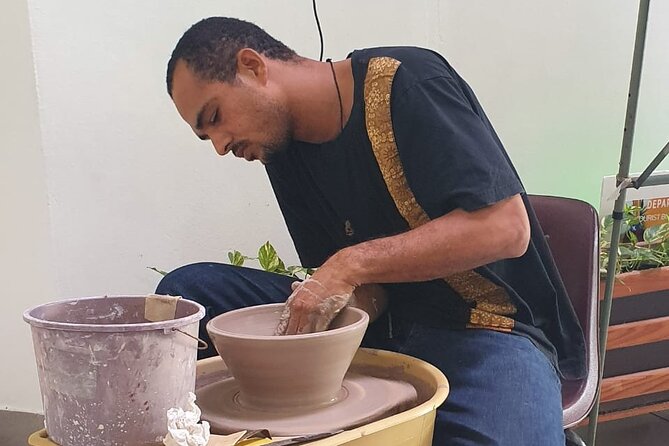
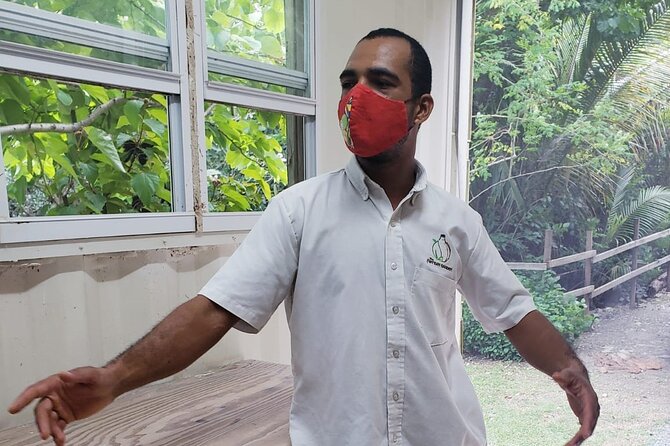
On arrival, Karl introduces himself, the grounds, and his work as a ceramic artist. This opening helps you understand the place before your hands touch the clay. You see where the class happens, how the garden fits into the studio, and where finished pieces are displayed.
Karl’s own path is part of the personal feel of the visit. The information shared during the class includes his move from a telecom career into pottery, his development as a working artist, and the rebuilding of his business after the hurricane. Those details give the studio more meaning than a simple craft shop.
The outdoor setting is also a useful change of pace. You can step away from the worktable to see the tropical garden and kiln. If you have someone in your group who prefers plants, gardens, or local creative work to water sports, this part may be just as enjoyable as the class itself.
There may be small personal touches around the property. A puppy named Klay has greeted some groups, though you should not book the tour expecting an animal encounter. The central focus remains Karl, the studio, and the clay.
What happens at the wheel
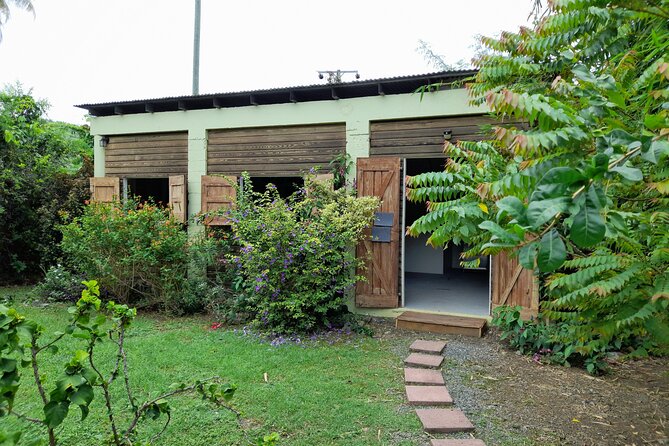
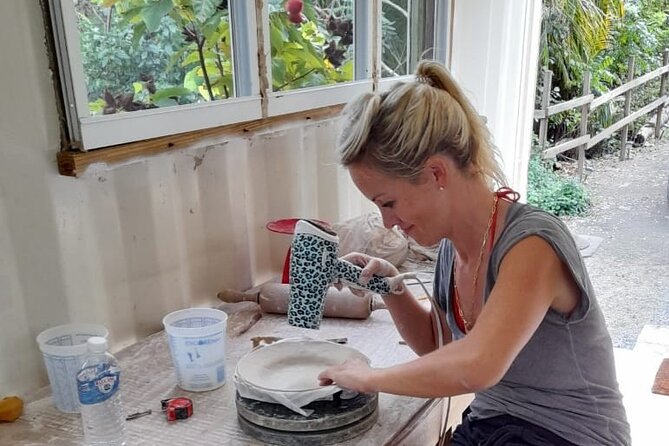
Karl begins with an explanation of basic pottery techniques, then demonstrates different shapes on the wheel. This is important for first-timers because the process is not intuitive. Clay must be centered, kept moist, and guided with steady pressure. Too much force can collapse the form, while too little control can send it off balance.
You then get your own turn. Karl provides the tools, clay, equipment, and hands-on instruction, so you do not need prior experience or special supplies. Beginners can try to shape a bowl, cup, plate, or another simple form under his direction.
The wheel is the more dramatic option. It gives you the satisfying feeling of making an object from a spinning lump of clay, but it also requires patience. If your group includes teenagers or older children, the wheel can be a good shared challenge. Several families have had children and teenagers take part, and the private format lets different ages work at their own pace.
Do not worry about producing a perfect object. The pleasure comes from learning how the material responds. Karl’s job is not to make every piece flawless. It is to show you how to keep working when the clay shifts, slumps, or refuses to cooperate.
Same base, a different sort of day:
- Club Mobay Sangster Airport VIP Lounge with Priority Entry
★ 4.5 · 10,510 reviews - Ultimate Island Jeep Safari with Natural Pool, Baby Beach & Lunch
★ 5.0 · 8,653 reviews - Aruba UTV, ATV Adventure to Secret Beach and Cave Pool
★ 5.0 · 7,730 reviews - Aruba Natural Pool and Indian Cave Rugged Jeep Safari
★ 5.0 · 7,713 reviews
Hand building for a calmer clay session
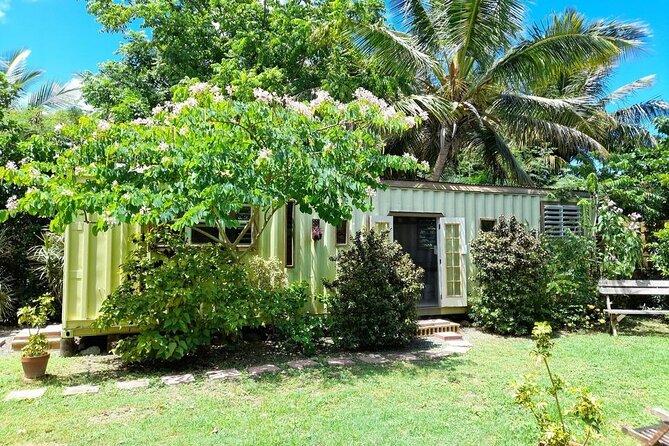
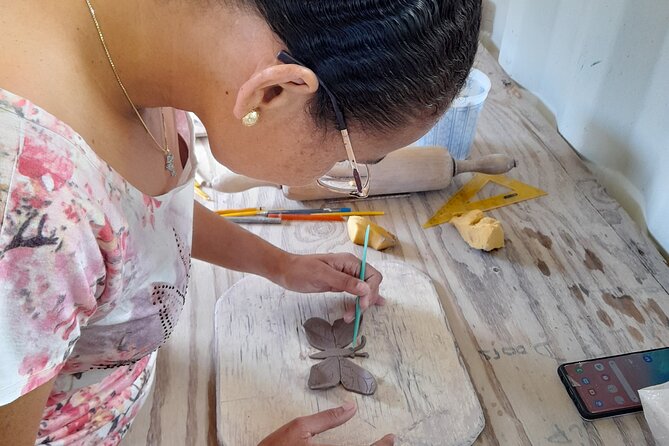
If the wheel sounds intimidating, choose hand building. Karl explains basic techniques for shaping clay by hand, and you can create a piece on the table rather than managing a spinning wheel.
This option works well for people who want more control over the shape. It is also a useful choice if members of your group have different interests. One person can try the wheel while another makes a hand-built bowl or plate. The activity allows you to split your time instead of forcing everyone into the same method.
Hand building may be especially appealing to families and groups with mixed ages. Younger participants can focus on shaping and texture, while adults can try more structured forms. Since the experience is private, you can ask Karl which method makes the most sense for your group.
The class gives you tools and materials, but you should expect to get messy. Wear clothing and shoes that can handle clay splashes. The supplied information does not set a dress code, so simple practical clothing is the safest choice.
The garden, kiln, and gallery
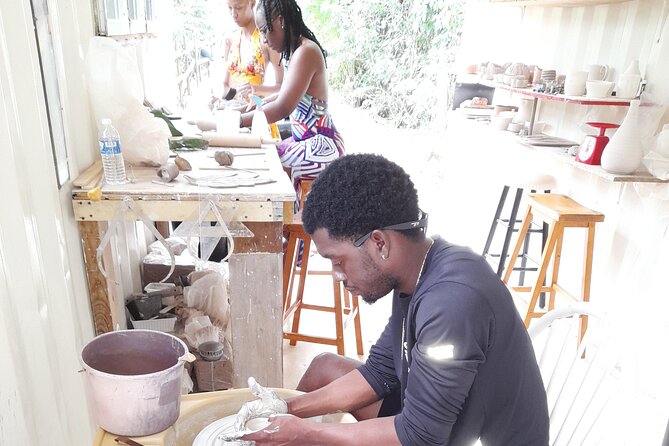
After the clay session, Karl shows you the outdoor wood-fired kiln and tropical garden. The kiln adds an important piece of context. You see that pottery is not finished when the shape is made. It must be dried, fired, and often glazed before it becomes a durable object.
The gallery is another worthwhile stop. Karl sells handmade pieces made in his own studio, giving you the option to buy a ready-made gift rather than waiting for your class piece. This is a good chance to see the difference between a beginner’s fresh creation and the work of an experienced ceramic artist.
I like this part because it connects the playful class to a real working practice. You are not simply making a souvenir for an hour. You are visiting an artist’s studio, seeing the equipment, and learning what happens after the lesson ends.
The garden may not look the same in every season. Plant displays can change, and some plants may not be ready to sample or show at their best. Treat the garden as part of the studio visit, not as a formal botanical tour.
Keeping your pottery and paying the extra fee
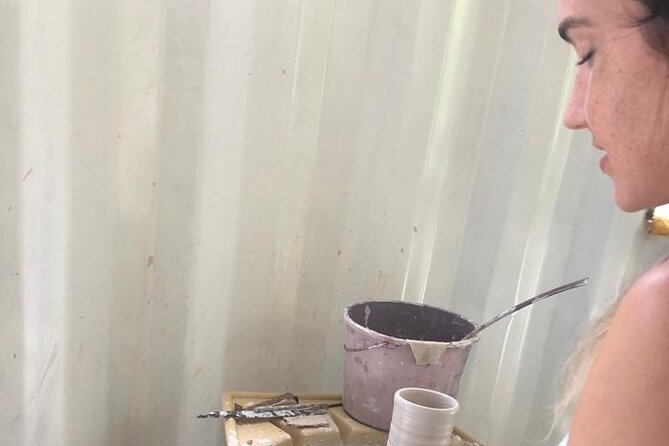
The $120 price covers the class, transportation, materials, tools, equipment, bottled water, and instruction. For a private three-hour activity, that is a fair value if your group wants a personal lesson rather than a crowded cruise excursion.
The price does not include keeping the pieces you make. A separate $5 to $20 fee applies depending on the item’s size and weight. Ask Karl about the final cost before you leave, particularly if your group produces several large pieces.
Finished work may need to be fired and glazed, and some groups have arranged to receive their pottery by mail for an additional charge. Shipping details are not included in the basic price, so confirm the mailing cost, destination, and expected timing directly with The Pottery Garden.
You can also buy a finished piece from Karl’s gallery. This may be the better choice if you want a professional-looking souvenir or if you are concerned that your own creation will not survive the firing process. The class piece has more personal meaning, but the gallery gives you a wider choice of polished work.
Who will enjoy the three-hour format
I would recommend this outing to:
- Couples looking for a creative activity away from the beach
- Families with children or teenagers who want to make something together
- Cruise visitors seeking a private alternative to a standard ship excursion
- Adults who enjoy art, gardens, and meeting a working local artist
- Groups that value conversation and a flexible lesson over a packed sightseeing schedule
The experience suits most participants, and service animals are allowed. It is near public transportation, though pickup is offered and the air-conditioned vehicle is the simpler choice.
This may not be ideal if your priority is swimming, snorkeling, shopping, or seeing many parts of Tortola in one morning. It is also not the best fit if you dislike hands-on activities or do not want to pay extra to fire and keep your work.
Timing, booking, and cancellation details
The experience operates Monday through Saturday from 9:00 AM to 4:30 PM during the listed operating period, which runs through December 8, 2026. It is often reserved well ahead, with an average booking lead time of about 65 days, so I would not wait until the last minute if your schedule is fixed.
Confirmation is provided at booking. The activity offers free cancellation when you cancel at least 24 hours before the start time. Cancellations within 24 hours are not refunded, and changes inside that window are not accepted.
The class requires suitable weather and a minimum number of participants. If poor weather or an unmet minimum forces a cancellation, you can choose a different date or experience, or receive a full refund.
Is The Pottery Garden worth $120?
For one person joining a shared class, $120 might seem high at first. The value improves when you consider what is included: private instruction, pickup and return, an air-conditioned vehicle, a scenic island drive, materials, equipment, studio access, garden time, and the chance to buy or keep pottery.
The strongest value comes when two or more people in your group genuinely want to make pottery. You share the private setting while each person gets direct instruction. If only one member of your party cares about clay and everyone else expects sightseeing, the price may feel less worthwhile.
The extra cost for firing and keeping your work is reasonable, but budget for it from the start. If you want several large pieces shipped home, the final amount will be higher than the advertised class price.
Should you book this Tortola pottery experience?
Book it if you want a personal, creative look at Tortola and like the idea of meeting an artist in his own studio. Karl’s patient instruction, the choice between wheel and hand building, and the scenic drive make this a well-rounded three-hour outing.
I would especially choose it for a cruise day when you want a break from sun and water activities. Just confirm pickup details, allow enough time to return to your ship, and decide in advance whether you want to pay for firing and delivery.
Skip it if you want a beach day, a long island tour, or a series of sightseeing stops. But if your group is ready to get clay under its fingernails and laugh at a few imperfect bowls, The Pottery Garden offers a memorable way to spend part of your time in Tortola.
FAQ
Where does the pottery experience start and end?
The listed meeting point is 164 Waterfront Drive in Road Town, British Virgin Islands. The activity ends back at the meeting point, and pickup is offered from desired starting points by arrangement.
How long does the experience last?
The pottery experience lasts approximately three hours, including transportation to and from The Pottery Garden.
What pottery activities are included?
You can try the potter’s wheel or make a piece by hand. Karl demonstrates wheel techniques and explains basic hand-building methods. Tools, materials, and equipment are included.
Does the price include keeping the pottery I make?
No. Keeping pieces made during the class costs an additional $5 to $20, depending on size and weight. Firing, glazing, and shipping arrangements may also involve additional charges.
Is this a private activity?
Yes. Only your group participates in the activity. Group discounts may be available, and confirmation is provided when you book.
What happens if the weather is poor or I need to cancel?
You can receive a full refund if you cancel at least 24 hours before the start time. Cancellations within 24 hours are not refunded. If bad weather or an unmet minimum number of participants cancels the activity, you can choose another date or experience, or receive a full refund.
Just added in the Caribbean
- Amber Cove & Taino Bay: Buggy Tour with Swimming & Tasting★ 4.8 · 50 reviews
- Bayahibe: National Park Jungle Walk & Snorkeling in Cenotes★ 4.7 · 171 reviews
- Sailing Discovery Day Tour in Martinique★ 5.0 · 195 reviews
- Tortola Beach Trip★ 4.5 · 94 reviews
- Colonial Zone: Historical Tour with a visit to the Columbus Lighthouse and Tres Ojos Park★ 4.9 · 157 reviews
- Montego Bay to Dunn’s River Falls Half-Day Trip★ 4.5 · 253 reviews
- Mini Island Tour of Trinidad★ 4.5 · 47 reviews
- Grenada: Half-Day Island Tour with Waterfall Swim Stop★ 4.6 · 123 reviews
the British Virgin Islands, compared.