
Reviewed · ARUBA
Aruba Downtown Historic and Cultural Walking Tour
The best part of this tour is the way it connects everyday Oranjestad with Aruba’s past. You’ll see an old fort, a clock tower, a Protestant church, government buildings, family homes, shops, and food stalls, then hear how each fits into island life. Guides such as Evy, Milton, Marisa, and Wendell are known for adding personal stories and plenty of local context.
I like the two local tastings, which turn a history walk into a small food tour, and I like the access to Fort Zoutman and the National Archaeological Museum when both are open. The main caution is the heat and pace: much of the tour is outdoors, and some museum stops are short enough that you may not have time to read every display.
- About 30 downtown stops cover monuments, museums, food counters, shops, government buildings, and homes.
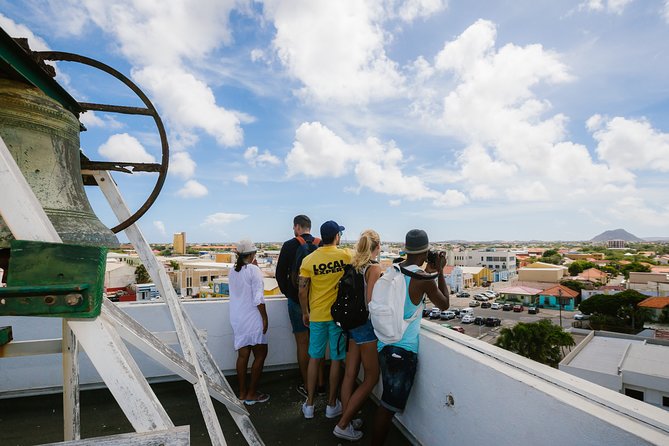
- Fort Zoutman’s clock tower offers a useful view over central Oranjestad when access is available.
- Two local tastings may include pan bati and pastechi or another traditional snack.
- Guides add personal stories about Aruba’s families, politics, religion, and changing streets.
- The 9:00 a.m. start helps you avoid the worst midday heat.
- A maximum of 20 people keeps the group small enough for questions, though the experience can vary with the guide and route.
What this Oranjestad walk does well
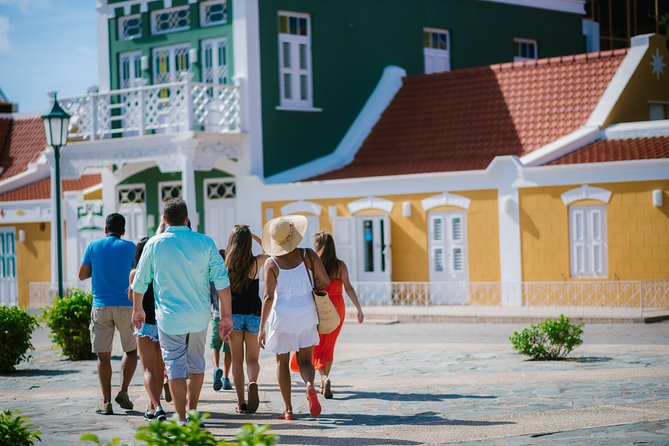
This is not a grand tour of the whole island. It stays in and around central Oranjestad, often covering only a few blocks, but that narrow focus is useful. You get a close look at the capital rather than a quick drive past it.
The route includes roughly 30 stops, though some are brief. One stop may take 10 minutes at a museum, while another may last only two or three minutes beside a building. I see this as a guided introduction rather than a series of long museum visits. You get the story, note the places worth returning to, and decide what deserves more of your own time later.
The tour has earned a 4.8 rating from 623 reviews, with 96 percent recommending it. That high score reflects the strongest part of the experience: the guides. Evy is described as funny and thorough, Wendell as energetic and poetic in his storytelling, Milton as good at explaining Aruba’s government and history, and Marisa as both personable and well informed about Oranjestad.
Because the guides are local and multilingual, the tone can feel personal. Hazel Milton, for example, has woven family stories into explanations of buildings, religion, plants, social groups, and Aruba’s relationship with the Netherlands. That kind of detail is hard to get from a self-guided walk.
There is some variation. One guide was reported to be late, and one experience ran an hour longer than expected. A political aside may also take more space than you want. The tour operator, guide, and route clearly matter, so arrive ready for a human-led experience rather than a tightly timed museum program.
Starting at Cosecha and finding your bearings
The meeting point is Cosecha Aruban Craft Design & Heritage at Zoutmanstraat 1. The tour begins at 9:00 a.m. and ends back at the same meeting point.
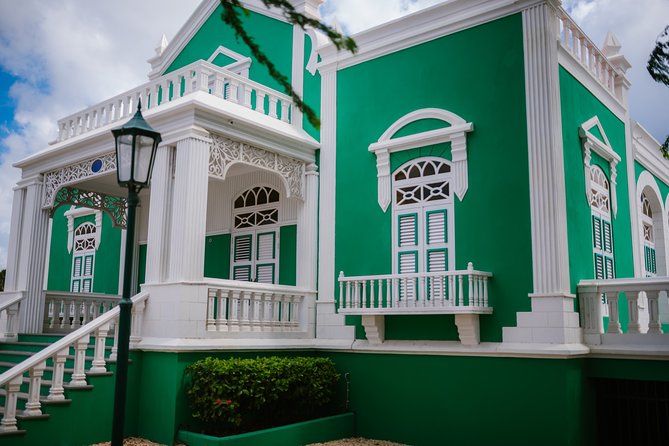
Cosecha is useful beyond being a place to gather. It occupies one of Aruba’s early government buildings and now features local arts and crafts by accredited local makers. The tour begins in a fitting setting, with the old civic life of Oranjestad behind you and present-day island culture around you.
Some people have found the meeting point less obvious than expected, so give yourself extra time. Selected accommodations offer pickup, which helps if you are staying outside the center. Cruise ship passengers should pay close attention to the booking rules: passengers on Carnival, Holland America, Princess, and P&O must book through the cruise line. Other cruise passengers need to provide ship and port timing details.
Other guided walks in Aruba:
- Bites of Nassau Food and Walking Tour
★ 5.0 · 3,168 reviews - Old San Juan Walking Tour
★ 5.0 · 2,211 reviews - Old San Juan City Walking Tour
★ 5.0 · 1,718 reviews
Fort Zoutman and the old clock tower
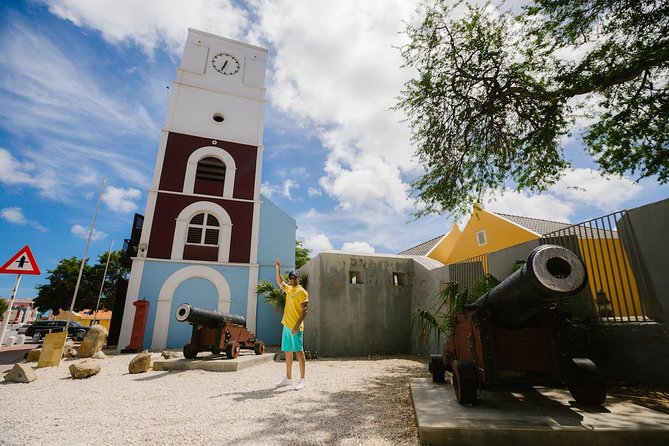
Fort Zoutman is the historical anchor of the morning. Built in the 1700s, it recalls a period when Aruba’s harbor and settlement needed protection. When the Historical Museum is open, you’ll go inside to see more about the fort and Aruba’s earlier years.
The old clock tower was added in the 1800s. If access is available, climbing it gives you a better sense of central Oranjestad than you get from street level. You can look across the downtown area and see how compact the capital is.
The practical catch is the phrase when open. Museum access is included when the site is operating, but opening conditions can affect the experience. The planned 10-minute stop is also short. I would not count on reading every panel or examining each object at leisure. Treat the visit as an introduction, then return later if the museum catches your interest.
Wilhelmina Park and the iguanas
At Wilhelmina Park, the guide explains two notable statues and points out the park’s large iguana population. This is a lighter stop after the fort, but it gives you a break from enclosed spaces and a chance to take photos.
The park also shows how the tour mixes formal history with ordinary island life. You are not only looking at monuments. You are watching how public spaces are used and hearing which figures matter to Aruba.
The stop is listed at about 10 minutes. That is enough for the main explanation and a few pictures, but not a long park visit. If you want more time with the statues or animals, plan to return on your own.
Aruba’s first inhabitants at the Archaeological Museum
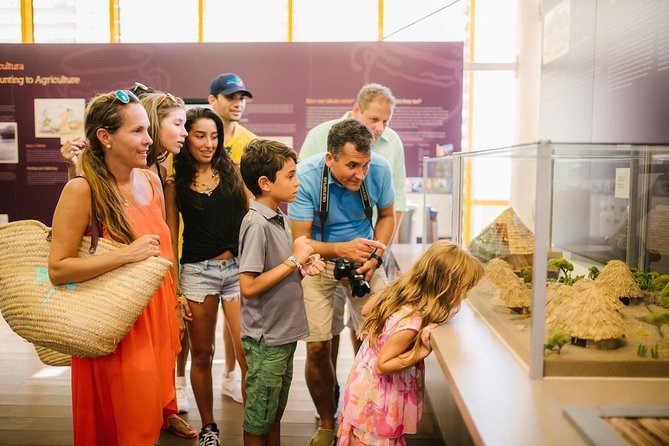
The National Archaeological Museum focuses on Aruba’s earliest inhabitants. Inside, you may see pottery, skulls, and tools used by Indigenous people in the island’s early period. The museum’s exterior also provides a good setting for photographs.
This is one of the most important stops for anyone who wants more than colonial-era stories. It places Aruba’s past much further back than the familiar Dutch forts and colorful downtown buildings.
Again, opening hours matter. When the museum is closed, you may receive an explanation from outside, but you will miss the objects themselves. Even when open, the scheduled stop is around 10 minutes. I would pay attention to the guide’s overview and note anything you want to study later.
Same base, a different sort of day:
- Ultimate Island Jeep Safari with Natural Pool, Baby Beach & Lunch
★ 5.0 · 8,653 reviews - Aruba UTV, ATV Adventure to Secret Beach and Cave Pool
★ 5.0 · 7,730 reviews - Aruba Natural Pool and Indian Cave Rugged Jeep Safari
★ 5.0 · 7,713 reviews - ThrillSeekers: Aruba UTV Tour & Cliff Jump at Natural Pool
★ 5.0 · 5,733 reviews
Pan bati, pastechi, and the food stops
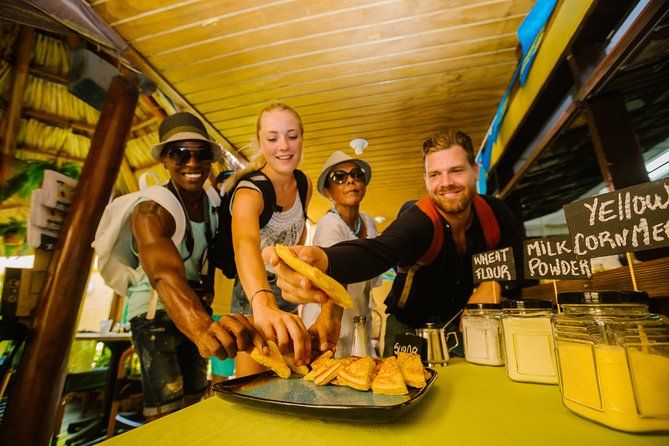
Two tastings are included, and they are a welcome part of the morning. At Coco Plum Restaurant, you learn about pan bati, a local cornmeal pancake that remains common in Aruba. The portion is described as a snack, not a full breakfast.
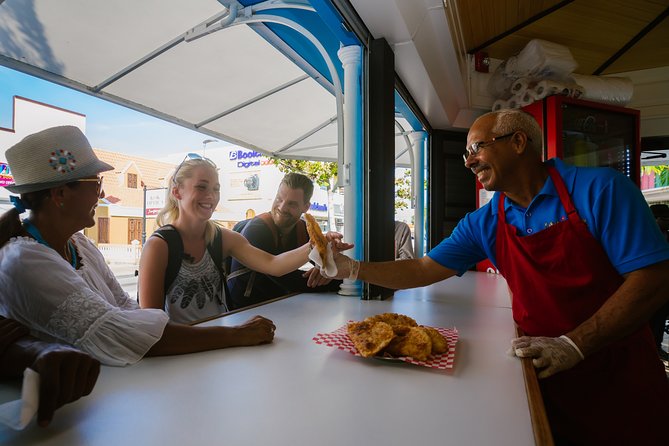
Another food stop is at Havenstraat, where the guide explains what Arubans eat at breakfast and parties. Pastechi is one sample mentioned in the experience, and it gives you a more direct taste of local daily food.
The food stops add value to the $45 price because they offer something you cannot get from a monument plaque. They also make the walk more social and give you a chance to ask about family meals, celebrations, and local habits.
I would still eat breakfast before you arrive. The tour provider specifically advises this because of the heat and the possibility of feeling unwell while walking. The included tastings are small, and one past experience received only one snack after a route change. If the two tastings matter to you, confirm the planned route at the start.
Oranjestad’s mansions, Main Street, and tram
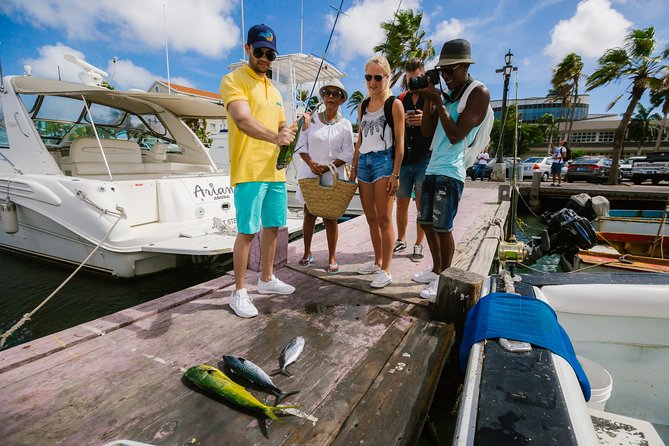
The walk continues through central Oranjestad, including a family mansion built in the early 1900s. The guide tells the romantic story connected with its construction, giving the building a human angle rather than simply pointing out its architecture.
You also pass along Aruba’s Main Street, where some shops have operated since 1928. The route includes information about the streetcar or tram that travels through the area. This is useful if you plan to explore Oranjestad after the tour, since the guide can point out places to revisit for shopping, food, or a ride.
One point needs clarification. The tour description includes Main Street, but one guide reportedly chose not to spend much time there. That decision also meant the second food tasting was missed. Most of the route appears to include the area, but the exact order and emphasis can change.
Parliament, the Protestant church, and local government
At Aruba’s Parliament, you hear how the island’s political system works and where local politicians debate laws and current matters. This is a helpful stop for anyone who wants to understand Aruba as a country within the Kingdom of the Netherlands, rather than viewing it only as a beach destination.
The political discussion can be lively. One person found the guide’s comments too political, so if you prefer a strictly neutral tour, keep that in mind. The stop itself is brief, around five minutes, but you can ask questions if the group has time.
The Protestant Church dates from the 1800s and opens another window onto Aruba’s religious past. You’ll hear how Protestantism arrived on the island and why it is not Aruba’s largest religion. The stop is only about two minutes, so expect an exterior explanation or a quick look rather than an extended church visit.
Residential streets and everyday Aruba
The walk through Wilhelminastraat changes the tone again. Instead of only seeing public buildings and commercial streets, you enter a residential area where the guide points out notable houses and explains how local people live.
I value this kind of stop because it keeps the tour from becoming a parade of official landmarks. The houses make the city feel inhabited, and the guide’s comments can connect architecture with family stories and social change.
The street is listed as a five-minute stop, so you will not tour private homes or spend long at each address. Think of it as a short neighborhood walk that adds context to the center.
How much walking and heat to expect
The route is generally described as a gentle walk, not a strenuous hike. Still, two and a half hours outside in Aruba can feel demanding, especially as the sun rises. The tour operates in all weather, and comfortable walking shoes are strongly advised.
Start with breakfast, carry water, wear light clothing, and use sun protection. The 9:00 a.m. departure is a smart choice, and several people found the morning timing much more comfortable than a later walk.
The group can include up to 20 people. That is small enough for a guide to answer questions, though a larger group may make it harder to hear at a busy street corner. Ask where you will stop for the tastings and how long the museums are expected to be open on your date.
Is $45 a fair price?
At $45 per person, this tour is fairly priced if you want a guided introduction to Oranjestad and plan to use the information afterward. The cost includes the guide, museum admission when the museums are open, and two tastings. Selected accommodation pickup adds convenience, though the activity ends where it begins.
The value is strongest for a first morning in Aruba. You can learn where the main streets, museums, restaurants, tram route, government buildings, and residential areas are, then return independently. The guide can also suggest places to eat and drink.
The value is weaker if you want long museum visits or a broad tour of the island. You will not see Aruba’s beaches, countryside, or distant attractions on this walk. Since the downtown area is compact, some people may feel the tour does not cover enough ground for the price.
Free cancellation is available up to 24 hours before the 9:00 a.m. start. After that point, the payment is not refunded, and late changes are not accepted.
Who should book this walk?
I would choose this for a first-time visitor who wants to understand Oranjestad before setting off for beaches and island attractions. It also suits cruise passengers who have enough time in port and want a local perspective close to the downtown area.
History fans should appreciate Fort Zoutman and the Archaeological Museum, while food-minded visitors will enjoy the pan bati and pastechi tastings. The experience also works well for people who like personal storytelling, since guides may bring in family memories and their own view of Aruba.
I would be more cautious if you dislike heat, want a tightly controlled schedule, or expect deep time inside museums. The experience depends on which guide leads the group, whether the museums are open, and whether the full food route is followed.
Should you book it?
Book this tour if you want a friendly, local introduction to Aruba’s capital, with food, politics, religion, early Indigenous culture, and ordinary residential streets included. The strongest guides, including Evy, Wendell, Milton, and Marisa, make the city easier to understand and give you useful ideas for the rest of your stay.
Skip it if your priority is seeing the whole island or spending an hour inside each museum. For most first visits, though, the early start, included tastings, and compact downtown route make this a sensible way to get oriented before Aruba’s heat takes over.
FAQ
How long does the Aruba Downtown Historic and Cultural Walking Tour last?
The tour is scheduled for about two hours and 30 minutes, though one experience lasted about an hour longer than expected.
Where does the tour begin and end?
It begins at Cosecha Aruban Craft Design & Heritage, Zoutmanstraat 1, Oranjestad, at 9:00 a.m. The tour ends back at the meeting point.
Are museum admissions included?
Yes. Admission to Fort Zoutman and the National Archaeological Museum is included when those museums are open.
Are food tastings included?
Yes. Two local tastings are included. The route describes pan bati at Coco Plum Restaurant and a second food stop at Havenstraat, where pastechi is mentioned.
Is hotel pickup available?
Pickup is available from selected accommodations. The tour also operates near public transportation.
What should I wear and bring?
Wear comfortable walking shoes and clothing suitable for heat. The provider advises eating breakfast before the tour to reduce the chance of feeling unwell while walking.
Just added in Aruba
- Aruba Glass Bottom Kayak Tour through the Mangrove Forest★ 4.5 · 220 reviews
- Full-Day Aruba Sightseeing island Tour with Baby Beach Swim★ 5.0 · 191 reviews
- 2-Seater UTV Island Tour in Aruba★ 5.0 · 301 reviews
- Private Afternoon Fishing Charter in Aruba★ 4.5 · 97 reviews
- UTV Island Tour around Aruba★ 5.0 · 175 reviews
- Aruban Roots 3 Hours Adventure by ATV & UTV with Kini Kini★ 5.0 · 176 reviews
- Aruba De Palm Island Day Pass★ 4.0 · 311 reviews
- Private Aruba roundtrip airport transfer★ 5.0 · 312 reviews
Aruba, compared.

Ultimate Island Jeep Safari with Natural Pool, Baby Beach & Lunch
Read our review →

Aruba Natural Pool and Indian Cave Rugged Jeep Safari
Read our review →
ThrillSeekers: Aruba UTV Tour & Cliff Jump at Natural Pool
Read our review →

Aruba UTV Tour with Natural Cave Pool and Cliff Jumping
Read our review →
Arusun Catamaran Sail with Snorkeling in Aruba
Read our review →
Dolphin Catamaran Snorkel and Sail with Open Bar
Read our review →Browse the lists this tour appears in