
Reviewed · ARUBA
Aruba North Coastline: Small-Group Horseback Riding Tour
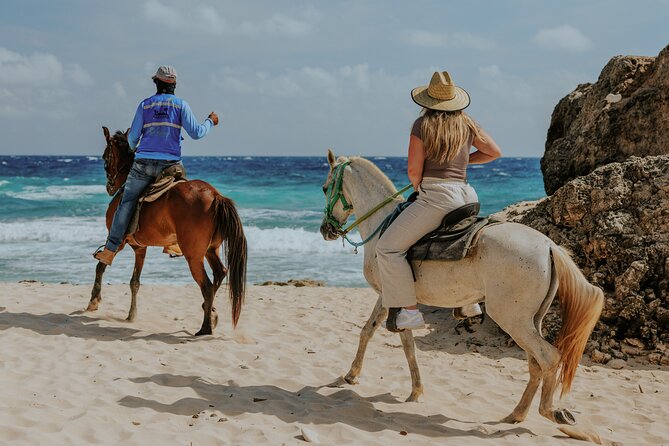
Aruba’s north coast is a different world from the resort beaches. On horseback, you pass cactus, rough coastal trails, old gold-mill ruins, and open ocean before reaching Wariruri Bay and its small natural bridge. The ride offers a side of Aruba that buses and beach loungers simply cannot reach.
I like the small group of no more than 10 riders, which gives the guides room to help beginners and keep the pace under control. I also like the calm, well-trained horses and the frequent photo stops, especially for first-time riders who want a memorable picture without having to manage the camera from the saddle.
The main consideration is that this is not a nonstop beach gallop. Much of the route is a single-file ride over cactus country and rocky trails, and some riders may spend only a short time actually riding on sand. The listed weight limit is inconsistent, so use the stricter figure of 220 pounds when deciding if this tour is suitable.
Key points to know before you book

- Start at 3:30 p.m. for instructions: The scheduled ride begins at 4 p.m., but you need to arrive earlier for the required safety briefing and mounting process.
- Ride from Matividiri to Wariruri Bay: The route combines ocean views, desert trails, Bushiribana Gold Mill Ruins, white sand, and the baby natural bridge.
- Expect a maximum of 10 riders: This is small enough for personal attention, but the group still moves at a shared pace.
- Beginners are welcome: Guides help nervous riders get settled, and the horses are described as gentle, responsive, and well trained.
- Bring the right clothes: Long pants and firm shoes are strongly advised. Hats are not allowed, and helmets are optional for adults but required for children.
- Plan for a 220-pound limit: Although one section lists 225 pounds, the additional information gives a 220-pound maximum per rider.
Why this north coast ride feels different

Aruba is often sold through its brilliant beaches and easy resort life. That is pleasant, but it leaves out the island’s rougher side. The north coast has wind, cactus, rock, surf, and wide views. A horse gets you into this terrain at a slower pace than a vehicle, with time to notice the changing ground and the work of guiding an animal over it.
The ranch sits at Matividiri 60 in Paradera, right by the northern coast. Once you leave the stables, you are already in the open coastal area. You do not spend the first part of the excursion sitting in a bus on city streets.
The ride lasts about 1 hour 30 minutes to 1 hour 40 minutes, depending on the exact outing. That is long enough to feel like a real horseback excursion, but short enough to fit into an afternoon in Aruba. The 4 p.m. start also avoids the strongest midday sun, though you should still expect heat, wind, and plenty of bright light.
Other rides on horseback around Aruba:
- Horseback Ride Tour to Natural Pool in Arikok National Park
★ 5.0 · 1,147 reviews - Aruba Beach Ecological Horseback Ride
★ 4.5 · 1,083 reviews - Aruba Countryside: Horseback Adventure to Urirama Cove
★ 4.5 · 249 reviews
Getting comfortable at Matividiri
Your first stop is the ranch and stables. The guide meets you on arrival, takes you through the riding instructions, and explains basic control and safety before anyone mounts. This is not optional, and the timing matters: arrival and instruction begin at 3:30 p.m., even though the ride is scheduled for 4 p.m.
That early briefing is especially useful if you have never ridden before. Several riders found the first few minutes nerve-racking, then settled in once the guide showed them how to handle the horse. One first-time rider described feeling much more confident after receiving hands-on help. That is the right expectation here: you do not need years of riding experience, but you do need to pay attention and follow directions.
The horses are a major part of the experience. They are described as sweet, calm, clean, and well cared for, with enough training to help beginners correct their handling. Experienced riders should not expect a private, advanced lesson, but there is enough room for more confident riders to enjoy the route and, at points, pick up the pace.
Helmets are optional for adults and mandatory for children. I would wear one, even if you are comfortable around horses. Long pants will protect your legs from saddle friction and brush, while firm shoes make it easier to keep your feet secure in the stirrups. Do not arrive in a floppy hat, since hats are not allowed.
Riding the coastal trails past Bushiribana

Once mounted, you ride through the coastal park area near the ranch. The ocean stays in view as the trail moves across Aruba’s dry northern terrain. Expect cactus, rocks, wind, and uneven ground rather than a smooth riding-school track.
This part of the route is where the tour earns its price. A bus can take you near major sights, but it cannot carry you along narrow riding trails or give you the same low, open view from the back of a horse. You also have time to listen to the guide’s explanations about Aruba’s culture and past instead of simply stopping for a quick photograph.
The Bushiribana Gold Mill Ruins add a useful piece of island history to the outing. The abandoned mill processed ore from nearby hills during Aruba’s gold rush. You see the remains as part of the ride, not as an isolated museum visit, which helps connect the old industrial site with the rocky coast and inland hills around it.
The guide also acts as a photographer along the way. You can hand over your phone at selected stops for pictures, a thoughtful service when both hands are occupied with reins and balance. The photo stops are one of the most repeated strengths of the experience, though you may want to ask for a group or family picture. Individual portraits are easier for the guide to arrange, and one family wished they had received a photo together on horseback near the beach.
Wariruri Bay and the baby natural bridge
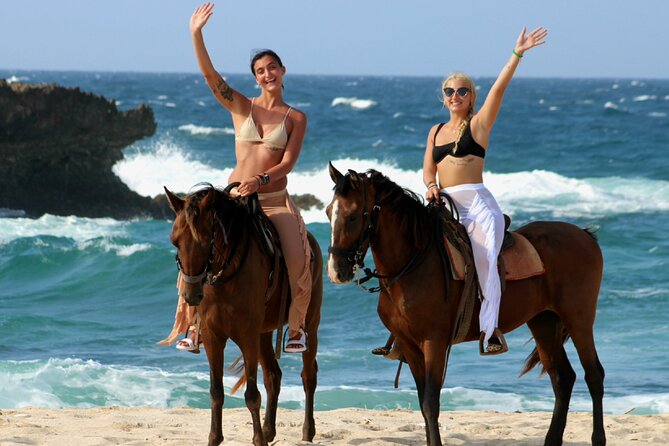
Wariruri Bay is the scenic payoff. Here, the route reaches white sand, dunes, and the small natural bridge often called the baby natural bridge. This is the place for photographs and a stronger sense of open space.
The description of the ride includes beach riding and galloping through the dunes. You should keep your expectations measured, though. One disappointed rider found the group moving in single file and walking for most of the excursion, with the beach used mainly for photographs. That experience is possible because the guides must balance safety, horse control, group ability, and the terrain.
Other riders did get to gallop or pick up the pace, especially those who became comfortable with their horses. The guide controls the group, so this is not a free-for-all on the sand. If a faster ride is your main goal, ask about the pace before mounting. If you want a scenic ride with a chance to move faster at selected points, the tour is a better match.
The bay also gives the guide a chance to show you how to work with your horse in a more open setting. Some riders found themselves navigating the horse more independently, while still receiving help when needed. That gradual increase in responsibility can make the outing feel more personal than a ride where you simply sit while the horse follows another animal.
Same base, a different sort of day:
- Ultimate Island Jeep Safari with Natural Pool, Baby Beach & Lunch
★ 5.0 · 8,653 reviews - Aruba UTV, ATV Adventure to Secret Beach and Cave Pool
★ 5.0 · 7,730 reviews - Aruba Natural Pool and Indian Cave Rugged Jeep Safari
★ 5.0 · 7,713 reviews - ThrillSeekers: Aruba UTV Tour & Cliff Jump at Natural Pool
★ 5.0 · 5,733 reviews
Guides, horses, and the pace of the group

The strongest part of this experience is the care provided by the guides. They explain the route, watch the horses, help nervous riders, and stop to take pictures. Guides named Jeanrick and Jesus received especially warm praise for their friendly manner and practical help, though your own guide will depend on the day.
The guides also share information about the areas you pass. You get more than a scenic loop because the route includes the gold rush site and local coastal setting. The explanations are part of the value, particularly if you want to understand why Aruba’s north shore looks so different from the developed hotel zone.
A small group helps here. With no more than 10 people, the guide can pay attention to posture, reins, spacing, and comfort. Still, ten horses on a narrow trail is not the same as a private ride. You should expect a shared pace and single-file sections.
The horses are not props. They are working animals, and the guides’ attention to their condition matters. The experience is physically active for the horse and rider, especially over 90 minutes or more. One rider was kicked, which is an important reminder that even gentle, trained horses remain animals. Follow the safety briefing, keep appropriate space, and do not assume a friendly horse has no limits.
You may also feel stiff or sore afterward, especially if this is your first ride. The saddle, balance, and repeated movement can be tiring even when the outing feels easy. That is normal for a 90-minute ride, but it is worth considering if you have limited mobility or are planning a demanding evening afterward.
Is $100 a fair price?
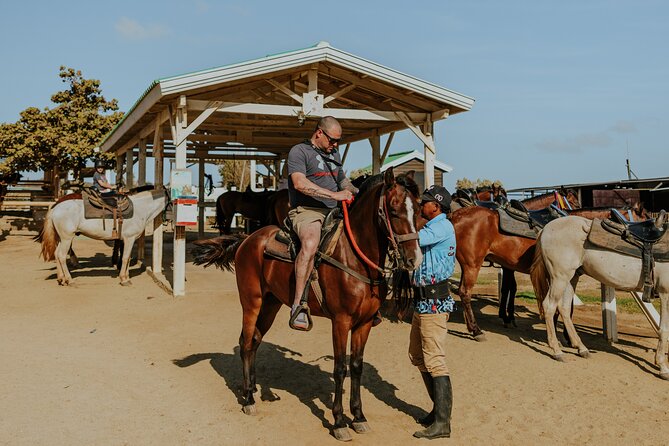
At $100 per person, this is not the cheapest way to see Aruba. The value comes from the combination of a horse, tack, instruction, guide service, water, photo assistance, and access to coastal areas that vehicles cannot easily reach.
The price makes more sense if you want an activity rather than simple transportation to a viewpoint. You are paying for the horse-handling staff as much as for the scenery. Beginners receive instruction and supervision, while experienced riders get a chance to ride along the coast, pass historic ruins, and reach Wariruri Bay.
An air-conditioned vehicle is included as part of the tour services, but private transportation is not included. Pickup may be arranged when you provide your hotel information, and some bookings include hotel pickup. Confirm this before relying on it, especially if you do not have a car.
The maximum of 10 people helps protect the value. A much larger group would make it harder for guides to assist new riders and would likely create more waiting at photo stops. At this size, the excursion can still feel personal without the cost of a fully private ride.
Who should choose this ride?

I would recommend it most strongly to:
- First-time riders who want instruction and close supervision
- Couples looking for a scenic activity away from the resort strip
- Families with children who meet the age, safety, and weight requirements
- Experienced riders who enjoy a guided coastal route rather than a formal riding lesson
- Solo visitors who want a social activity with a small group
- Anyone interested in Aruba’s north coast and Bushiribana’s gold-mining past
You should think twice if your only goal is sustained galloping on a wide beach. The pace can be slow, and much of the ride takes place on rocky desert trails. You should also reconsider if you exceed the 220-pound limit, since the operator specifically asks people above that weight not to book.
The tour requires good weather. If poor weather cancels it, you are offered another date or a full refund. You can also cancel up to 24 hours before the start for a full refund. Changes or cancellations inside that 24-hour window are not accepted.
Practical preparation for the 4 p.m. departure
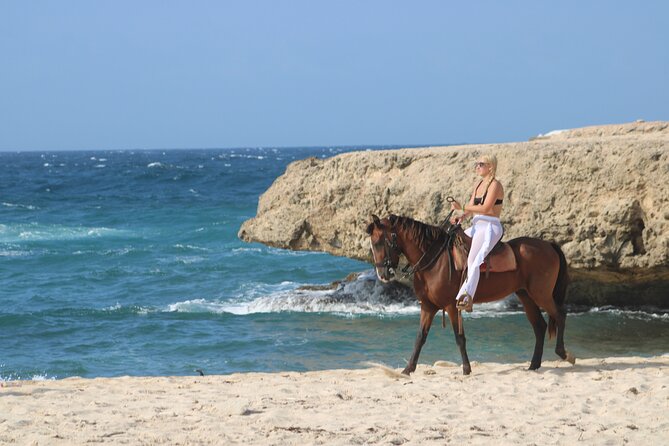
Arrive at the ranch by 3:30 p.m. for instructions. That gives the staff time to match riders with horses and explain the basics without rushing. The meeting point is The Gold Mine Ranch Aruba at Matividiri 60, Paradera, and the activity ends back there.
Wear long pants and firm shoes. Leave the hat at the hotel. Bring your phone if you want the guides to take pictures, but keep it secure until the guide asks for it. Bottled water is provided, yet you should still dress for sun and wind.
Your attitude matters as much as your riding background. Listen carefully, keep your hands steady, and give the horse room. If you are nervous, say so at the beginning. The guides are used to helping first-time riders, and several people found that their confidence grew once the ride got moving.
Should you book the North Coast Horseback Riding Tour?
Book it if you want Aruba’s rough north shore, old gold-mill remains, ocean views, and a guided horse ride in one compact afternoon. The calm horses, patient instruction, small group, and photo stops make it suitable for many beginners.
Do not book it expecting 90 minutes of beach galloping. The route includes rocky cactus trails, single-file riding, and time spent walking. At $100, the tour is worthwhile for the access and personal help, but less convincing if you only want a fast ride on sand.
For the best match, arrive early, use the 220-pound limit as your guide, wear proper clothing, and tell the staff your riding experience. If that sounds right, this is a practical way to see a quieter, wilder side of Aruba.
FAQ
Where does the horseback tour begin and end?
The tour begins at The Gold Mine Ranch Aruba, Matividiri 60, Paradera. It ends back at the meeting point.
What time should I arrive?
Riding instructions begin at 3:30 p.m. The scheduled ride starts at 4 p.m., so you should arrive at the ranch by 3:30.
How many people can join the tour?
The activity allows a maximum of 10 travelers.
Is the tour suitable for beginners?
Yes. Riding and safety instructions are required before mounting, and the tour is described as suitable for different riding levels, including first-time riders.
What should I wear?
Long pants and firm shoes are strongly advised. Hats are not allowed. Helmets are optional for adults but mandatory for children.
What is the weight limit?
The additional information gives a maximum of 220 pounds per rider. Another section mentions 225 pounds, so use the stricter 220-pound limit before booking.
Just added in Aruba
- UTV and Jeep Island Adventure Mix Up★ 5.0 · 73 reviews
- The Whole Story Tour + A Ride★ 5.0 · 141 reviews
- Private Tour: Essential Tour of Aruba★ 5.0 · 68 reviews
- Arubabound Transfers★ 5.0 · 31 reviews
- Made in Aruba Sightseeing Tour★ 5.0 · 252 reviews
- Round Trip Shared Airport Shuttle★ 4.5 · 282 reviews
- Aruba Private Luxury Boat Tours – Sail, Snorkel, Fishing and More★ 4.5 · 81 reviews
- Private Round – Trip Airport Transfer in Aruba Luxury SUV★ 5.0 · 120 reviews
Aruba, compared.
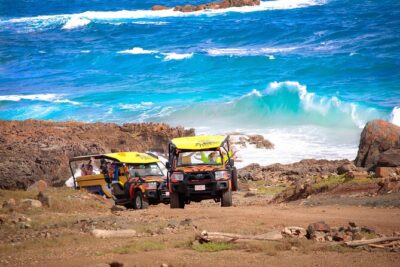
Ultimate Island Jeep Safari with Natural Pool, Baby Beach & Lunch
Read our review →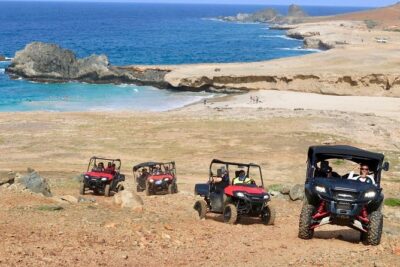

Aruba Natural Pool and Indian Cave Rugged Jeep Safari
Read our review →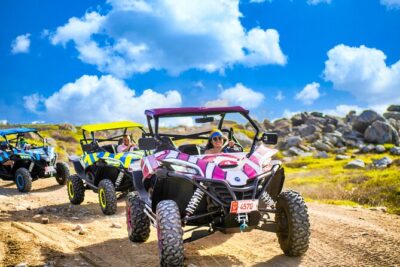
ThrillSeekers: Aruba UTV Tour & Cliff Jump at Natural Pool
Read our review →
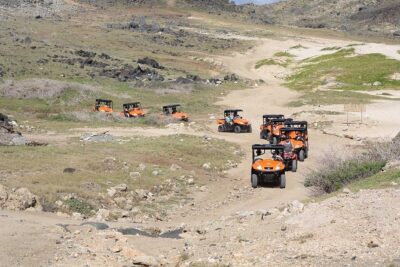
Aruba UTV Tour with Natural Cave Pool and Cliff Jumping
Read our review →
Arusun Catamaran Sail with Snorkeling in Aruba
Read our review →
Dolphin Catamaran Snorkel and Sail with Open Bar
Read our review →Browse the lists this tour appears in