
Reviewed · ARUBA
Aruba’s Northern Coast Horseback Adventure
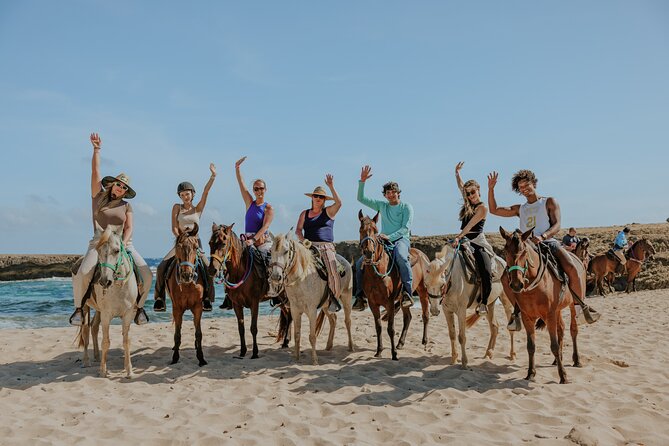
Aruba’s northern coast is wild, dry, and far removed from the resort strip. On this ride, you pass cacti, dunes, rocky ground, and open ocean, then reach beaches where the horses can trot or canter. The route also includes the old Bushiribana gold mill and Wariruri Bay, with time for photos along the way.
I like the small group of no more than 10 people, since guides can keep an eye on beginners and give better riding advice. I also like that the horses are described as calm, healthy, and well trained, with guides such as Candy and Jesus handling the pace and stopping for pictures.
The main consideration is that this is a real outdoor ride over rough desert ground, not a gentle beach stroll from start to finish. You need long pants, firm shoes, and enough comfort in the saddle for roughly 90 to 100 minutes. The stated weight limit is 220 pounds, despite another tour detail listing 225, so use the stricter 220-pound limit.
Key points to know before booking
- The ride begins at 8:30 a.m. with required instruction, before anyone mounts a horse.
- Wariruri Bay provides the best beach riding and photo stop, including white sand dunes and views near the baby natural bridge.
- The route mixes desert, coast, rocky ground, and beach, with chances to walk, trot, and sometimes canter.
- The horses are Paso Finos and are praised for calm behavior and smooth gaits, useful for first-time riders.
- Hotel pickup may save you a costly taxi ride, but you must send the ranch your hotel details in advance.
- The $100 price includes equipment, water, instruction, and an air-conditioned vehicle, but private transportation is not included.
Riding Aruba’s rugged north coast
The Gold Mine Ranch sits at Matividiri 60 in Paradera, right near Aruba’s northern coast. That location gives the ride an immediate sense of place. You do not spend much of the outing crossing town before reaching the open, cactus-covered country.
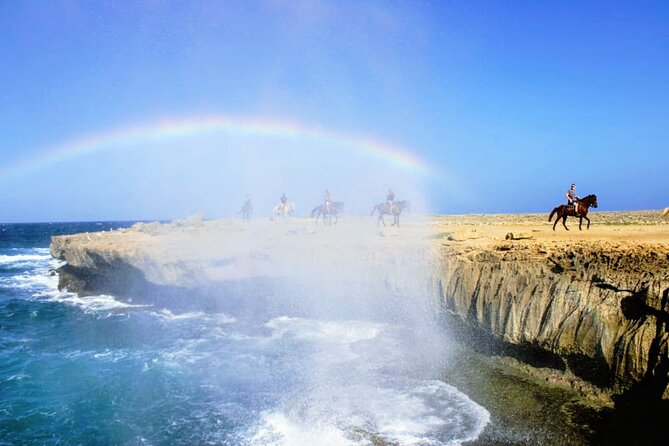
The scenery changes quickly. One minute you are riding past low desert plants and rough ground, and the next you have a broad ocean view. Aruba is known for its dry climate, and this ride shows you the island’s less polished side: wind-shaped rock, sand, cacti, old ruins, and bright water.
The route is active rather than purely scenic. You may walk across uneven ground, trot along open stretches, and canter when the group and conditions allow it. One especially useful detail is that the guides adjust the pace for mixed ability levels. A rider with years of experience may get more movement, while a first-timer can stay with a slower group and catch up when the guide stops.
That makes the outing more appealing than many basic trail rides, but it also means you should not book it expecting to sit quietly on a horse for the entire time. The terrain is part of the attraction. It is also the reason sturdy shoes and sensible clothing matter.
Other rides on horseback around Aruba:
- Horseback Ride Tour to Natural Pool in Arikok National Park
★ 5.0 · 1,147 reviews - Aruba Beach Ecological Horseback Ride
★ 4.5 · 1,083 reviews - Aruba Countryside: Horseback Adventure to Urirama Cove
★ 4.5 · 249 reviews
Starting at Matividiri with a proper safety briefing
Your morning begins with arrival at the ranch at about 8:30 a.m. Riding instruction is required before mounting. This is a good feature, especially if you have never ridden or if your last ride was years ago.
The instruction covers the basic commands and safety points needed for the trail. The horses are trained to respond to rider aids as well as to guide signals, including whistles. That means you are not expected to control every step, but you still need to listen, keep your balance, and follow directions.
The horses receive some of the strongest praise connected with this experience. They are described as gentle, calm, healthy, and comfortable in the heat. The Paso Fino breed is suited to warm conditions and is known for a smooth gait, which can make a difference for a beginner who is nervous about bouncing or losing balance.
The ranch also supplies tack and helmets. Helmets are optional for adults but required for children. I would wear one even though adults may choose not to, particularly on a route that includes rocks, slopes, and uneven desert ground.
Some guide names connected with the experience include Candy, Jesus, Jeanrick, and Mr. C. The exact guide team can vary, but the useful pattern is clear: instruction and supervision are a large part of the outing, not an afterthought. One less favorable comment singled out Giancarlo as less patient, while other guides in the same group were praised. That suggests the quality of your interaction can vary by guide, although the overall guide rating is very strong.
From the ranch into Aruba’s open desert
You leave the ranch and enter the northern coastal area almost at once. The ride passes through dry country marked by cacti, sand, and rocky ground. The horses handle this terrain with little fuss, but you still need to sit securely and pay attention to the path.
The desert portion gives the ride its character. You see an Aruba that is harder to reach from a beach chair or resort shuttle. The open views and sparse plant life make the area feel exposed and spacious, with the Caribbean visible along sections of the route.
The scenery is excellent for photographs, but the ride itself is the main event. Guides pause at scenic places and take pictures for the group, which is helpful if you do not want to choose between holding the reins and recording every stop. Several riders appreciated having photos taken at the landmarks and beach areas.
Expect much of the route to be on land rather than in the water. One rider estimated the outing at about 75 percent desert and 25 percent water or beach riding. That is not a formal breakdown, but it is a useful way to picture the experience. You get coastal views, not a long swim with the horses.
Bushiribana gold mill and Aruba’s gold rush
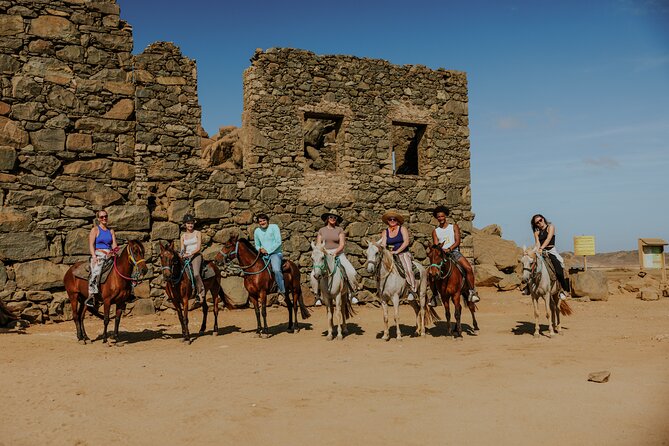
The route passes the Bushiribana gold mill ruins, a reminder that Aruba’s past was not built only around tourism. The abandoned mill once processed ore from nearby mines during the island’s gold rush.
This stop adds context to the ride. Instead of seeing only cactus and coastline, you also see the remains of an industry that shaped part of Aruba’s history. The guides explain the site and its connection to the old mining activity, so the stop is more than a quick photo background.
Do not expect a large museum or a long indoor visit. This is an outdoor stop woven into the trail. The value comes from seeing the ruin in its original setting, with the dry hills and coast around it.
The combination works well. You get natural scenery, active riding, and a small dose of local history without giving up most of your morning. If historical sites are your main reason for touring Aruba, this will not replace a dedicated history excursion. If you like having a story attached to the places you pass, it improves the ride.
Same base, a different sort of day:
- Ultimate Island Jeep Safari with Natural Pool, Baby Beach & Lunch
★ 5.0 · 8,653 reviews - Aruba UTV, ATV Adventure to Secret Beach and Cave Pool
★ 5.0 · 7,730 reviews - Aruba Natural Pool and Indian Cave Rugged Jeep Safari
★ 5.0 · 7,713 reviews - ThrillSeekers: Aruba UTV Tour & Cliff Jump at Natural Pool
★ 5.0 · 5,733 reviews
Wariruri Bay, sand dunes, and the baby natural bridge
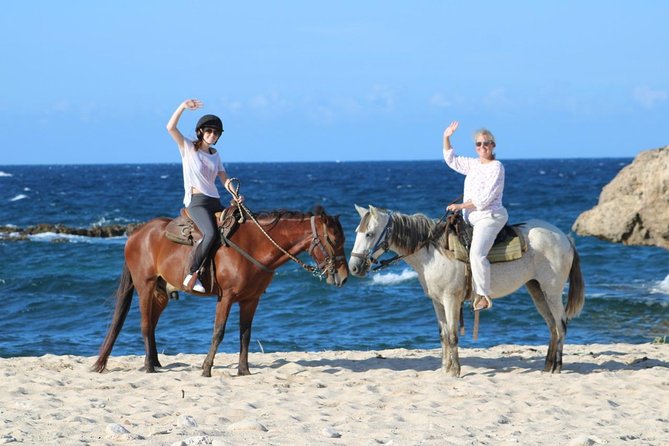
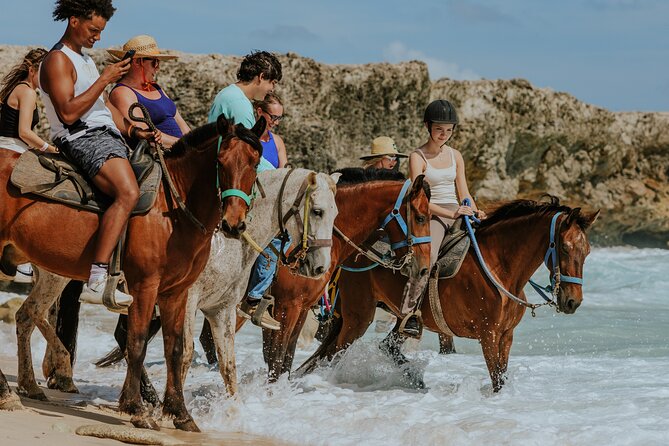
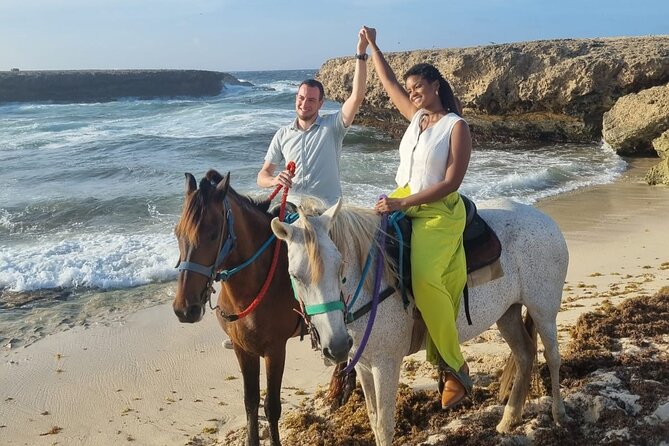
Wariruri Bay is the most distinctive stop on the route. Here, the ride reaches the beach, white sand dunes, and the area around the baby natural bridge. The setting gives you the classic Aruba photo: horse, sand, rock, and ocean in the same frame.
The horses may walk or move more quickly on suitable stretches, and some groups get a chance to trot or canter along the beach. The guide decides what is safe based on the group, terrain, and rider ability. This matters because a first-time rider and an experienced equestrian may have very different ideas about an ideal pace.
The beach stop lasts about 15 minutes according to the planned timing. That is enough for photographs and a pause, but not enough for a long swim or extended beach stay. You should think of Wariruri Bay as a scenic riding stop rather than a separate beach day.
The guides’ photography is a real convenience here. They can position riders and horses for pictures while the group focuses on enjoying the setting. Bring a phone if you want your own shots, but do not count on wearing a hat. Hats are not allowed, likely because of riding safety and the wind, so pack sunscreen and use clothing that protects you without loose headwear.
Can beginners handle the ride?
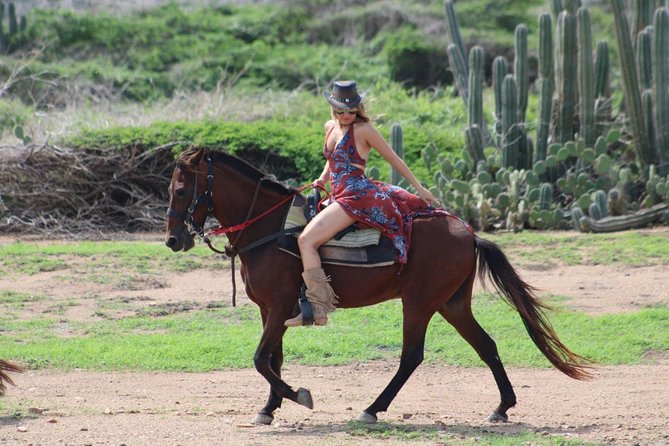
The experience is suitable for many beginners, provided you are comfortable following instructions and sitting on a horse for around an hour and a half. The required briefing, calm horses, and attentive guides make the first ride less intimidating.
The horses are trained to respond to commands from both riders and guides. That gives beginners a helpful safety net, but it does not remove the need for balance and attention. You should expect to use your hands, legs, and posture as instructed.
The ride can also suit experienced riders who want more than a slow walk. Several accounts describe substantial stretches of trotting, with some cantering or galloping. The exact amount depends on the group. If the ride contains many first-time riders, the pace may be more controlled.
This is not the right choice if you dislike animals, feel uneasy around horses, or want a completely passive sightseeing trip. It also requires enough physical comfort for rough terrain and changes in pace. The ranch says most people can participate, but the 220-pound rider limit is firm.
What the $100 price really covers
At $100 per person, the outing is not the cheapest way to see Aruba, but it includes several costs that can add up elsewhere. You receive the horse, tack, riding instruction, bottled water, helmet access, and an air-conditioned vehicle.
Hotel pickup and return are available from select areas, but private transportation is not included as a standard feature. You need to contact the provider with your hotel information to confirm pickup time. When transportation is arranged, it can improve the value considerably and may save you a separate taxi fare.
The small group is another reason the price makes sense. With a maximum of 10 riders, guides can monitor the pace, help beginners, and stop for photos without managing a large line of horses. The ride also includes several different settings and historical context, rather than one short loop around a stable.
The tradeoff is duration. This is about 1 hour 30 minutes to 1 hour 40 minutes, so you are paying for a focused half-morning activity, not an all-day excursion. For a cruise stop or short Aruba stay, that compact schedule can be an advantage.
Practical clothing, timing, and booking advice
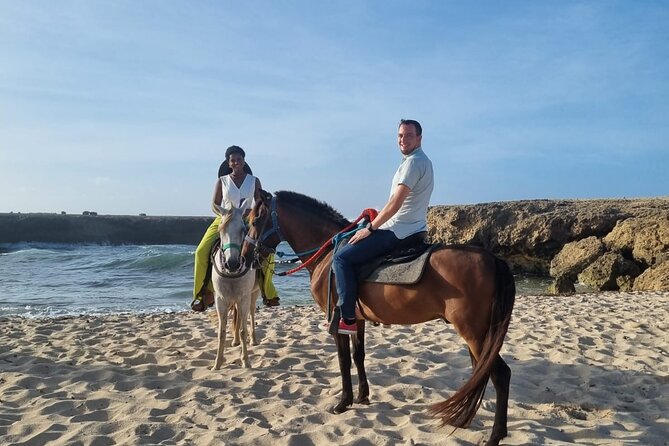
Wear long pants and firm shoes. Sandals and loose clothing are poor choices for a ride that crosses rocky ground and desert terrain. Adults may choose whether to wear a helmet, but I recommend using one.
Plan to arrive at 8:30 a.m. for instruction, even though the listed start time is 9:00 a.m. The early arrival is not a small detail. Arriving at the later time could mean missing the safety briefing or delaying the group.
The tour has a maximum of 10 people, and it has been booked frequently, so reserve ahead if your schedule is tight. Confirmation is provided when you book, and the activity runs only when weather and minimum participation requirements are met.
Cancellation is free up to 24 hours before the start time. A cancellation inside that window is not refundable, and changes are not accepted during the final 24 hours. If bad weather or low participation cancels the tour, you are offered another date, another experience, or a full refund.
Who should book this horseback adventure?
I would recommend it to first-time riders who want clear instruction, calm horses, and a scenic route with real variety. It also suits couples, families with eligible children, and experienced riders who would enjoy some faster stretches instead of a purely walking ride.
It is especially good for anyone who wants to see Aruba’s northern coast without taking a long vehicle tour. The horse carries you across terrain that feels more connected to the island’s dry interior, while the guides add stories about the gold mill and the coast.
I would hesitate if you are looking for a long beach ride, a private outing, or complete control over the pace. The ride is shared, the group may include mixed ability levels, and the time at Wariruri Bay is brief.
For most people who meet the weight and clothing requirements, I think the experience is worth booking. The strongest reasons are the well-trained horses, small group, guide-led instruction, coastal scenery, and the chance to canter on suitable stretches. Book the morning departure, arrive early, send your hotel details in advance, and use the stricter 220-pound limit when deciding if it is suitable.
FAQ
Where does the horseback ride begin?
The tour begins at The Gold Mine Ranch, located at Matividiri 60 in Paradera, Aruba. It ends back at the same meeting point.
What time should I arrive?
You should arrive at 8:30 a.m. Riding instruction begins at that time. The listed tour start time is 9:00 a.m.
How long does the horseback adventure last?
The experience lasts approximately 1 hour 30 minutes to 1 hour 40 minutes.
Is hotel pickup available?
Hotel transfers are offered from select areas. You need to contact the provider with your hotel information to arrange your pickup time. Private transportation is not included as a separate standard feature.
What is the weight limit?
The stated rider limit is 220 pounds. Another detail lists 225 pounds, so use 220 pounds as the firm limit before booking.
Do I need horseback riding experience?
No specific experience is required in the provided tour details. Riding and safety instruction is required before mounting, and the horses are described as suitable for beginners. The route can include walking, trotting, and cantering.
Are helmets provided?
Yes. Helmets are provided. They are optional for adults but mandatory for children.
What happens if the weather is poor?
The experience may be canceled because of poor weather. In that case, you are offered a different date or a full refund. Free cancellation is also available if you cancel at least 24 hours before the start time.
Just added in Aruba
- UTV and Jeep Island Adventure Mix Up★ 5.0 · 73 reviews
- The Whole Story Tour + A Ride★ 5.0 · 141 reviews
- Private Tour: Essential Tour of Aruba★ 5.0 · 68 reviews
- Arubabound Transfers★ 5.0 · 31 reviews
- Made in Aruba Sightseeing Tour★ 5.0 · 252 reviews
- Aruba Private Luxury Boat Tours – Sail, Snorkel, Fishing and More★ 4.5 · 81 reviews
- Round Trip Shared Airport Shuttle★ 4.5 · 282 reviews
- Private Round – Trip Airport Transfer in Aruba Luxury SUV★ 5.0 · 120 reviews
Aruba, compared.
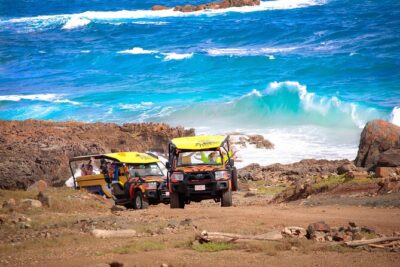
Ultimate Island Jeep Safari with Natural Pool, Baby Beach & Lunch
Read our review →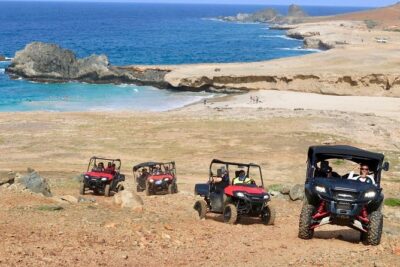

Aruba Natural Pool and Indian Cave Rugged Jeep Safari
Read our review →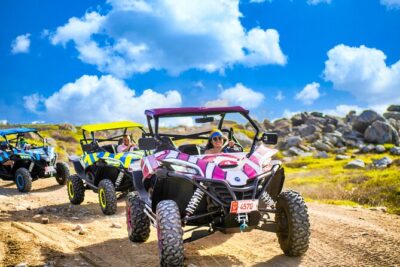
ThrillSeekers: Aruba UTV Tour & Cliff Jump at Natural Pool
Read our review →
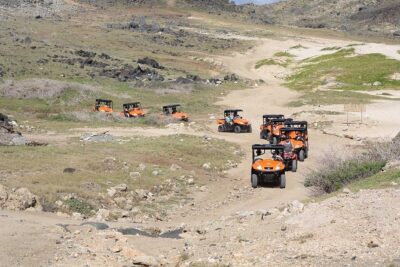
Aruba UTV Tour with Natural Cave Pool and Cliff Jumping
Read our review →
Arusun Catamaran Sail with Snorkeling in Aruba
Read our review →
Dolphin Catamaran Snorkel and Sail with Open Bar
Read our review →Browse the lists this tour appears in