
Reviewed · ARUBA
Arikok Adventurous Hiking Experience in Aruba
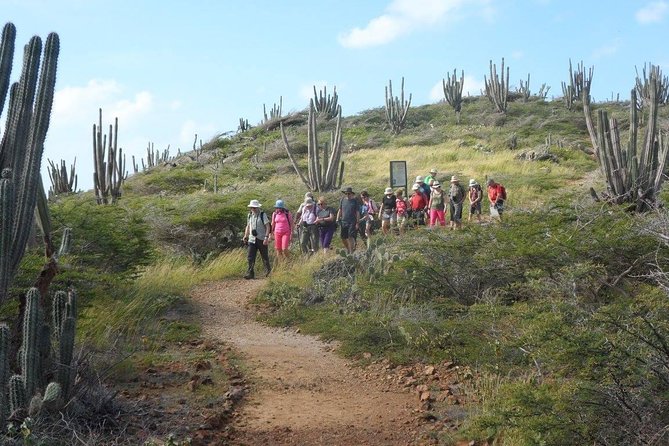
Aruba’s beaches get most of the attention, but Arikok National Park shows you the island’s tougher, wilder side. This three-hour outing takes you across cactus country, rocky paths, old cultural sites, and dry hills where the Aruban whiptail lizard, parakeet, burrowing owl, and rattlesnake make their home.
I like two things right away: hotel or cruise-ship pickup removes a major hassle, and the guides bring the park to life with stories about useful plants, gold mining, wildlife, and island history. Guides such as Joshua, Uri, Ari, and Chris have been praised for their humor and clear explanations. The main drawback is that the hike is not always led by an official park ranger, despite how it is described, and the trail can feel more like a brisk nature walk than a serious mountain hike.
Key points to know
- The trail is rocky, dusty, and cactus-filled: Wear sturdy athletic shoes, long pants, and clothing you do not mind getting dusty.
- The hike is usually mild to moderate: Expect steps, uneven ground, medium inclines, and heat, but not a technical climb.
- Guides make the difference: Joshua and Uri have been especially praised for combining island facts, natural history, and humor.
- The park has more than scenery: Look for cave paintings, an old adobe home, gold-mining history, native plants, and unusual rock formations.
- The $57 price covers useful extras: National Park entry, bottled water, a professional guide, and round-trip transport are included.
- Wildlife is possible, not guaranteed: You may see lizards, birds, goats, or geckos, but the real reward is learning how the dry ecosystem works.
Arikok’s wild side beyond the resort strip

Arikok National Park covers a large part of Aruba and feels far removed from the hotel zone. Instead of white sand and calm water, you get dry hills, cactus, exposed rock, and plants built to survive strong sun and little rain.
That change of scenery is the point. I like this trip for the way it gets you out of the resort bubble without demanding a full day or a high level of hiking skill. You can spend the morning learning about Aruba’s natural world and still have much of the afternoon free.
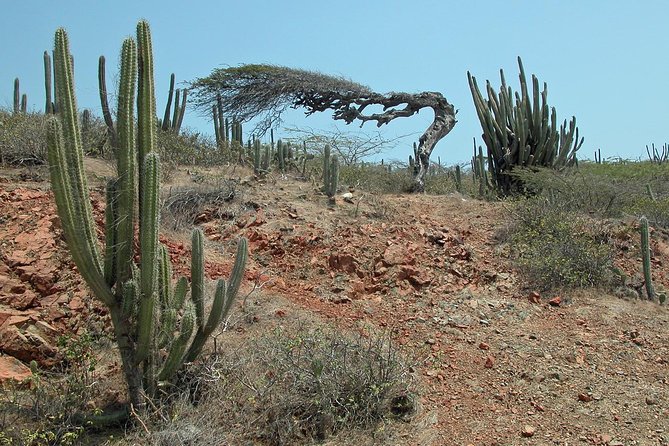
The park’s ground tells a story. Lava, quartz diorite, and limestone have shaped the unusual rock formations, while native plants have adapted to the island’s dry conditions. A guide can explain which plants have useful properties, which can cause harm, and how animals find food and shelter in a harsh setting.
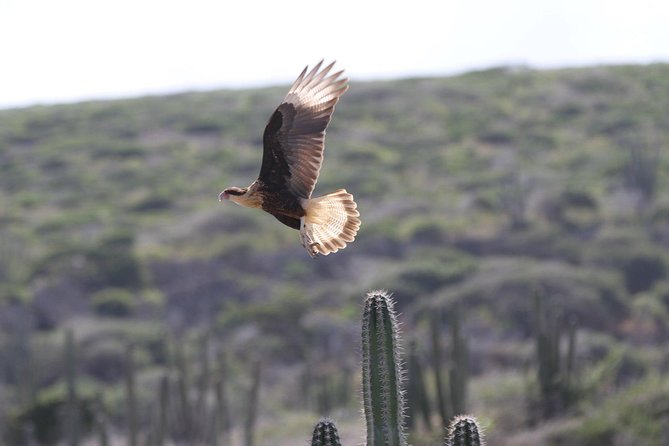
You may spot an Aruban whiptail lizard, known locally as the cododo, along with geckos, birds, or goats. The Aruban parakeet, or prikishi, and the burrowing owl, or shoco, are among the park’s special residents. The endangered Aruban rattlesnake, called cascabel, also belongs to this ecosystem, though seeing one is not something you should expect.
Other trips people book in Aruba:
- Ultimate Island Jeep Safari with Natural Pool, Baby Beach & Lunch
★ 5.0 · 8,653 reviews - Aruba UTV, ATV Adventure to Secret Beach and Cave Pool
★ 5.0 · 7,730 reviews - Aruba Natural Pool and Indian Cave Rugged Jeep Safari
★ 5.0 · 7,713 reviews
A smooth 9 a.m. start from your hotel

The day begins at 9 a.m. with pickup from your hotel or cruise ship. The included transport is one of the strongest practical features here. You do not need to arrange a rental car, find the park entrance, or deal with parking before a hot morning walk.
The drive to the park is part of the introduction. Depending on the route and guide, you might hear about Aruba’s neighborhoods, local history, and cultural landmarks before reaching the park. One guide, Uri, also pointed out the Ayo rock formation and explained its importance during the ride.
That extra context helps. Arikok is not an isolated patch of wilderness with no connection to daily life. It is part of Aruba’s story, and the drive can help you understand how the park fits into the island.
The vehicle ride is described as quick and comfortable, but pickup times can still vary by hotel and route. Keep your morning open rather than scheduling a tight appointment immediately after the hike.
The Visitors’ Center sets the stage
At the Arikok Visitors’ Center, you meet the guide and get your first look at the park’s conservation work. The building has a modern sustainable design and includes an exhibit featuring native and endemic animals.
This is a useful stop because it gives you a better sense of what to watch for on the trail. The display includes the Aruban whiptail lizard, the cat eye snake, known locally as santanero, and the endangered rattlesnake.
You also learn why protection matters. These animals are not simply part of a general Caribbean collection. Several are closely tied to Aruba, and the park protects the dry habitat they need.
The experience is advertised as a park-ranger hike. In practice, the guide may be an employee of El Tours & Transfers rather than an official government ranger. That distinction matters if you are specifically seeking a conservation officer or park employee. The guides can still provide strong information about the plants, animals, and past of the area, but it is wise to understand the wording before booking.
What the three-hour trail is really like

This is an active outing, but it is not a strenuous expedition. The route is generally described as easy to moderate, with a clear path in places and rougher ground in others.
You should expect:
- Rocky and dusty footing
- Cacti close to the path
- Steps and medium inclines
- A larger hill or climb toward the end
- Heat and strong sun
- Stops to catch your breath and examine plants or views
Some people find it an easy morning walk. Others find the heat, rocks, and hills more demanding. Both impressions can be true. Your fitness, the weather, and the pace of the group will shape the experience.
Good shoes matter more than heavy hiking boots. Several descriptions suggest that cushioned athletic shoes are enough, while hiking boots may be more than you need. Flip-flops are a poor choice. Long pants are also sensible because the trail is dusty and cactus spines can reach into the walking area.
Pay attention to where you step and where you place your hands. Do not brush against plants simply to get closer. A guide can point out which species are safe to touch and which are not, but you still need to stay alert.
Same base, a different sort of day:
- ThrillSeekers: Aruba UTV Tour & Cliff Jump at Natural Pool
★ 5.0 · 5,733 reviews - Wild Side UTV Tour: Explore the Northern treasure
★ 5.0 · 4,793 reviews - Aruba UTV Tour with Natural Cave Pool and Cliff Jumping
★ 5.0 · 4,492 reviews - Arusun Catamaran Sail with Snorkeling in Aruba
★ 5.0 · 2,402 reviews
Plants and animals give the walk its purpose

The scenery is attractive, but the explanation is what makes this worth booking with a guide. Without one, a dry field of thorny bushes and cactus can blur into one brown-green stretch. With a good guide, each plant has a use, defense, or survival trick.
You might learn how local plants have been used in daily life, which ones can irritate the skin, and how the park supports animals despite its dry conditions. The guides also explain how the native flora and fauna depend on the unusual mix of lava, quartz diorite, and limestone.
Wildlife sightings vary. You may see lizards, geckos, birds, or a mountain goat. You may also walk for a while without seeing much at all. Birds can be elusive, so this is not a guaranteed wildlife-viewing trip.
That uncertainty is normal in a protected natural area. I would not book this expecting a checklist of rare animals. Book it to understand the habitat, notice small details, and appreciate what survives here.
Historical stops add depth to the hike
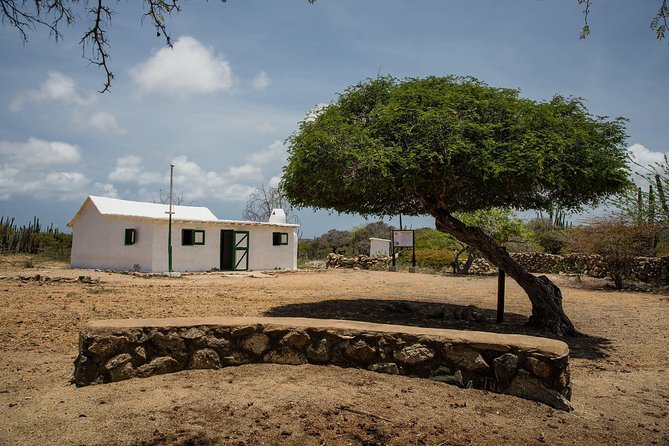
Arikok is not only about plants and animals. The walk can include historical sites such as indigenous cave paintings and an old adobe house. You may also hear about gold mining in the park and the people who once used the area.
These stops break up the walking and give the route a human story. The cave art connects the park to Aruba’s earlier inhabitants, while the old home shows how people built and lived in a dry environment. Gold-mining history adds another layer, reminding you that this protected area has long been tied to work and settlement.
The exact combination of stops can vary, so do not assume every outing will include every site in equal detail. The experience focuses on the interior of the park. If you want Aruba’s coastal caves, dramatic shore views, or ocean-focused scenery, you will need a different excursion.
That is an important limitation. This hike is a good introduction to the park’s dry interior, not a complete tour of all Arikok National Park.
Guides shape the quality of the morning

The strongest part of this experience is the guide. Joshua, also called Josh in some settings, has been praised for his humor, warmth, and broad knowledge of Aruba’s wildlife and history. Uri has been noted for adding information during the drive and even offering fresh coconut water on one outing.
Other guides, including Ari, Brandon, Chris, and Rambo, have also been described as friendly and informative. The style may vary from one departure to the next, especially since the activity can use a multilingual guide.
A strong guide does more than name a cactus. The best ones explain why it grows there, how animals use it, and what it tells you about Aruba. They also pause often enough for the group to keep up and for you to take in the views.
Group size can reach 25 people. That is manageable, but it can affect the experience. If you are near the back, it may be harder to hear every explanation, especially when the guide stops beside a plant or rock formation. A smaller group can feel more personal.
The pace can also slow when people have different fitness levels. That is not necessarily bad. Regular pauses make the walk easier in the heat, but hikers seeking a fast, demanding workout may find the pace too gentle.
How much value do you get for $57?
At $57 per person, this is a fair price for a guided morning in Aruba. The fee includes local taxes, National Park entry, bottled water, a driver-guide, a professional guide, the hike, and hotel or port pickup and return.
The transport alone adds real value. A self-drive visit might cost less in some situations, but you would need to arrange a car, navigate to the park, pay entry costs, and miss the guide’s explanations. The tour gives you a simple way to see the interior without giving up half a day.
Bottled water is provided before and after the hike, but bring extra water if you can. Food and other drinks are not included. Since the walk takes place in heat and sun, eat beforehand and carry any snacks you need.
The value is best for someone who wants orientation, interpretation, and convenience. If you already have a rental car and prefer to explore alone, the price may feel less attractive. If you want a short, organized introduction to Arikok, it is a sensible spend.
Prepare for heat, dust, and changing conditions
Wear light clothing that covers your skin, along with sturdy athletic shoes. Long pants are especially useful because of dust, sharp plants, and uneven ground.
Bring sun protection and a hat. The provided water is helpful, but you should not rely on one bottle for a warm hike. A small day bag is practical for water, sunscreen, and a phone.
Rain can change the trail quickly. One outing became wet after rain, with puddles along the route, though the hike still went ahead. The tour requires good weather, so a cancellation caused by poor conditions should result in another date or a full refund.
The activity also requires a minimum number of participants. If that minimum is not reached, you can be offered another date or experience, or receive a full refund.
Children must be accompanied by an adult, and the minimum age is nine. You should have a strong level of physical fitness, not because this is a technical climb, but because heat, steps, rocks, and inclines can make a short walk tiring.
Free cancellation is available up to 24 hours before the start time. Changes or cancellations made inside that window are not accepted and are not refunded.
Who should book this Arikok hike?
I would choose this for a first visit to Aruba when you want more than beaches but do not want a full-day adventure. It suits couples, families with older children, cruise passengers, and people who prefer a guide to explain what they are seeing.
It is also a good fit if you enjoy nature but are not an experienced hiker. The trail offers a real workout without requiring advanced equipment or technical ability.
You may want another tour if you are looking for coastal scenery, a long trek, solitude, or a hard physical challenge. You should also think twice if cactus, heat, dusty paths, and uneven ground sound unpleasant.
The experience works best when you arrive with realistic expectations. This is not a rainforest walk, a wildlife guarantee, or an extreme hike. It is a guided morning through Aruba’s dry interior, with local plants, rare animals, cultural sites, and wide views along the way.
Should you book it?
Book it if you want an easy way to reach Arikok National Park and learn why Aruba’s dry interior matters. The combination of pickup, entry fees, bottled water, a three-hour route, and an engaging local guide gives the $57 price solid value.
Choose it especially if you appreciate natural history and prefer a steady pace with regular stops. Skip it if you mainly want the coast, dislike heat and cactus, or expect an official park ranger and a demanding hike.
For most active visitors who want to see the real environment beyond the resort strip, this is a worthwhile half-day choice. Wear proper shoes, protect yourself from the sun, and listen carefully when the guide points out something small. That is often where the park becomes most interesting.
FAQ
How long does the Arikok Adventurous Hiking Experience last?
The experience lasts approximately three hours.
What time does the tour start?
The stated start time is 9 a.m.
Is hotel pickup included?
Yes. Pickup and drop-off are offered from hotels or cruise ports.
Is the National Park entrance fee included?
Yes. National Park fees and local taxes are included in the price.
What is the minimum age?
Children must be accompanied by an adult, and the minimum age is nine.
What should I wear for the hike?
Wear sturdy athletic shoes or hiking shoes and clothing suitable for dusty, rocky ground and cactus. Long pants are recommended.
Can I cancel for a full refund?
Yes, if you cancel at least 24 hours before the experience begins. Cancellations or changes made less than 24 hours before the start time are not refunded.
Just added in Aruba
- UTV and Jeep Island Adventure Mix Up★ 5.0 · 73 reviews
- The Whole Story Tour + A Ride★ 5.0 · 141 reviews
- Private Tour: Essential Tour of Aruba★ 5.0 · 68 reviews
- Arubabound Transfers★ 5.0 · 31 reviews
- Made in Aruba Sightseeing Tour★ 5.0 · 252 reviews
- Round Trip Shared Airport Shuttle★ 4.5 · 282 reviews
- Aruba Private Luxury Boat Tours – Sail, Snorkel, Fishing and More★ 4.5 · 81 reviews
- VIP Luxury SUV Airport Transfer★ 5.0 · 95 reviews
Aruba, compared.
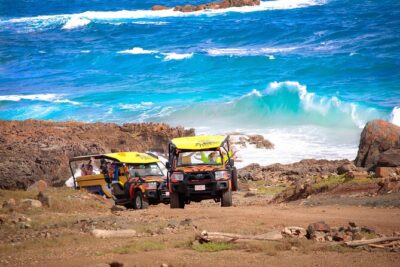
Ultimate Island Jeep Safari with Natural Pool, Baby Beach & Lunch
Read our review →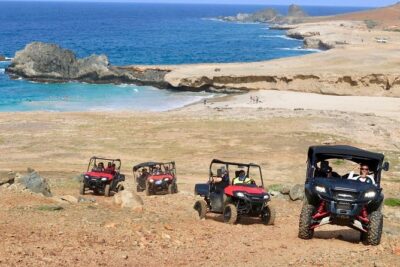

Aruba Natural Pool and Indian Cave Rugged Jeep Safari
Read our review →
ThrillSeekers: Aruba UTV Tour & Cliff Jump at Natural Pool
Read our review →
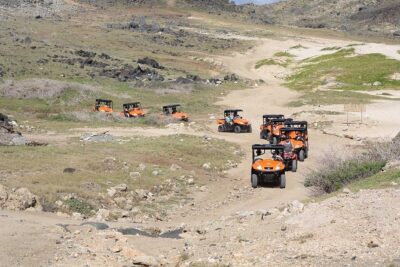
Aruba UTV Tour with Natural Cave Pool and Cliff Jumping
Read our review →
Arusun Catamaran Sail with Snorkeling in Aruba
Read our review →
Dolphin Catamaran Snorkel and Sail with Open Bar
Read our review →Browse the lists this tour appears in