
Reviewed · BONAIRE
Bonaire 2 hour Island Tour & 2 hour Beach Stay
Bonaire’s salt pyramids are the star of this half-day outing. They rise beside the road like giant white wedges, built from sun, wind, and seawater. You’ll also see the island’s old slave huts, a lighthouse, flamingo country, and a shallow beach where you can cool off.
I like the good mix of history and scenery, and I like that the bus leaves you two hours for swimming rather than rushing through a string of photo stops. Guides such as Ferdinand, Kiki, and Desmond have been praised for clear island stories. The main concern is timing: late departures, crowded buses, poor sound systems, and confusion over the return pickup have affected some outings.
Key points to know
- Salt pyramids and old slave huts: You get two of Bonaire’s most meaningful sights, not just a quick drive past them.
- Four hours including transport: The plan is about two hours of sightseeing followed by two hours at the beach.
- Shallow Sorobon water: The lagoon is suited to wading and families, but the shore may be rocky and the beach can feel crowded.
- Cruise-port convenience: Pickup and return are at the Bonaire cruise port, with the tour designed around a ship visit.
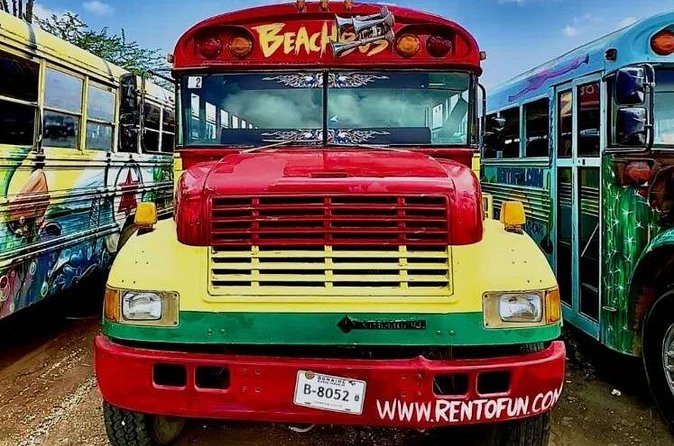
- Open-air or air-conditioned buses may vary: Some buses offer plenty of room and music, while others have drawn complaints about age or loud sound.
- Timing deserves attention: Several reported departures ran late, so leave a safe cushion before your ship sails.
What this Bonaire half-day tour actually delivers
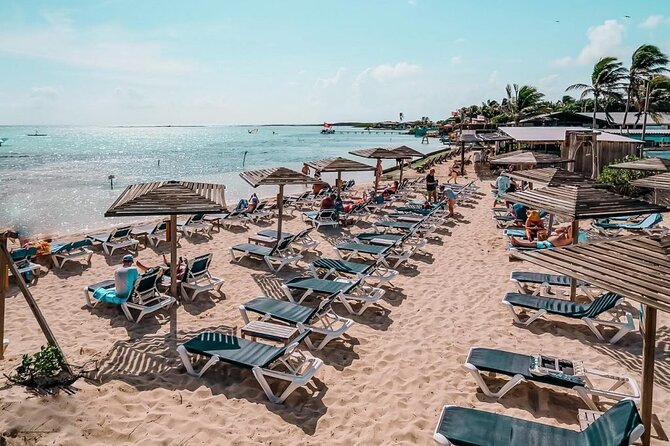
This is a simple way to see the southern part of Bonaire without renting a car or arranging separate taxis. You ride from the cruise port along the southwest coast, stop at a handful of important places, then spend two hours at a beach with restrooms, food, and chairs.
The advertised price is $38.95 per person. That is fair if the bus runs on time, you value a guide’s explanation, and you want transport bundled with your beach stop. It is less attractive if you mainly want a beach day, since some people have found similar island buses available locally for about $25.
The tour’s biggest strength is its range. In four hours, you see salt production, colonial-era hardship, coastal scenery, the lighthouse, and a lagoon. Its weakness is that this is a shared bus operation, with a maximum of 120 people. That does not mean every departure reaches that number, but you should expect a group outing rather than a small private tour.
Other island days out of Bonaire:
- South island tour and Snorkel combo
★ 4.5 · 108 reviews - Bonaire Essentials Island Tour
★ 4.5 · 50 reviews - Half-Day Aruba Island Tour from Oranjestad
★ 4.5 · 1,362 reviews
Leaving the cruise port along Bonaire’s southwest coast
The bus departs from the Bonaire cruise port in Kralendijk. Pickup is offered, and the activity ends back at the same meeting point. That return matters on a cruise day, but you still need to watch the clock yourself.
The first drive takes about 20 minutes. Along the west and southwest coast, you pass Flamingo Airport and Te Amo Beach. Te Amo Reef attracts snorkelers and divers, though this tour is a sightseeing drive, not a water excursion at that stop.
Bonaire is not a place where every attraction is packed into a compact old town. Much of the pleasure comes from the open, dry coast and the changing colors of the salt ponds. A bus makes those broad views easy to enjoy, especially if you do not want to drive on an unfamiliar island during a short port call.
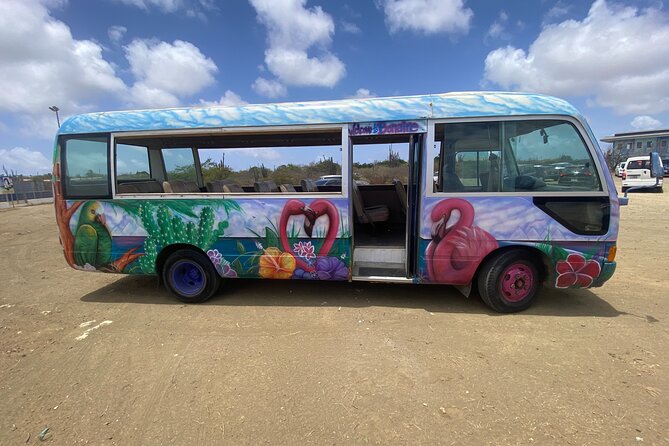
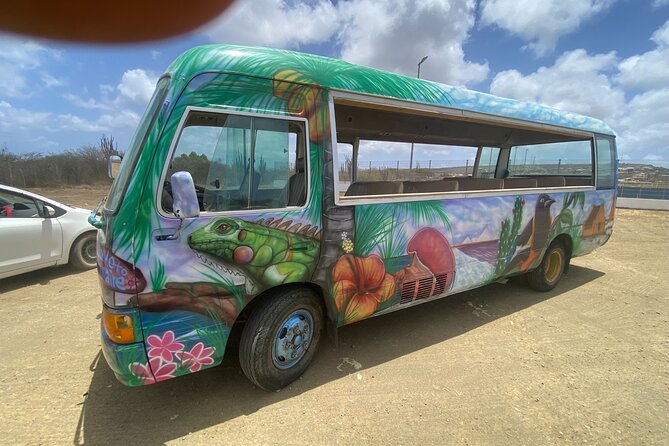
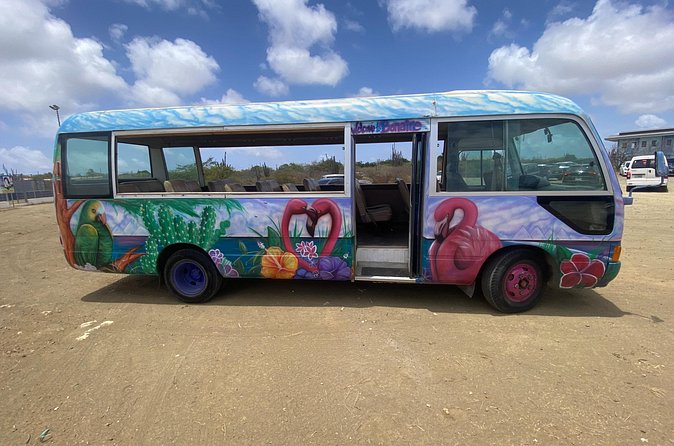
Some departures use an open-air bus, which can make the ride more enjoyable in Bonaire’s warm weather. Others use an air-conditioned bus. That variation matters. If you strongly prefer one style, ask before boarding rather than assuming the vehicle will match a photograph or description.
Salt Pier and the white pyramids
The first major stop is Salt Pier, with about 15 minutes to look around. The salt comes from seawater, with sun and wind doing the work. The resulting piles can reach about 50 feet high, and each pyramid can contain roughly 10,000 tons of salt.
This is not a polished museum stop. It is an industrial working area viewed from the roadside, which is exactly why it feels useful. You see how Bonaire’s climate has shaped its economy, rather than hearing only a general story about the island.
The stop is short, so you will want to be ready when the bus pulls in. The best value here comes from the guide’s explanation of salt production and the chance to take in the scale of the piles. Do not expect a long walk or a full site visit.
The road also gives you views toward the salt pans and, at times, flamingo country. Flamingos are part of the island’s appeal, but sightings are not guaranteed. Keep your eyes open, and do not treat a distant pink shape as a promise of a close encounter.
Pink Beach and the coast toward White Pan
After roughly 10 minutes on the road, the bus passes Pink Beach. The name comes from the beach’s coral material, though today the shore is made mainly of petrified coral and may not look bright pink in every light.
This is best understood as a scenic roadside point, not a long beach stop. The coast here helps explain Bonaire’s unusual colors: pale coral, white salt, blue water, and the dry scrub inland.
The next stop is White Pan, where you see the former slave huts. You get about 15 minutes here. These small structures are tied to the salt industry of the 1800s, when enslaved workers labored around the salt pans.
This is the most important historical stop on the route. The huts are stark and small, and the short visit can make the history feel more immediate than a distant date in a guidebook. Listen closely to the guide, since the stop itself has little signage or indoor interpretation.
The quality of this part depends heavily on the person leading the bus. Ferdinand has been singled out for explaining the salt mines and slave quarters, while Kiki and Desmond have also been praised for their island information. Names and guides can change, but the lesson remains the same: this is not just a scenic drive. Bonaire’s salt industry was built on human suffering, and the huts deserve a quiet look.
Same base, a different sort of day:
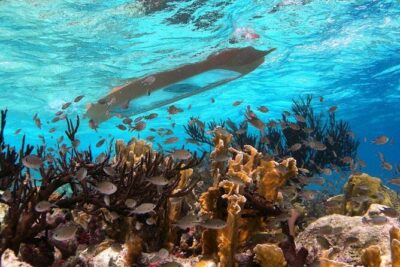
- Double Dip Snorkel Trip
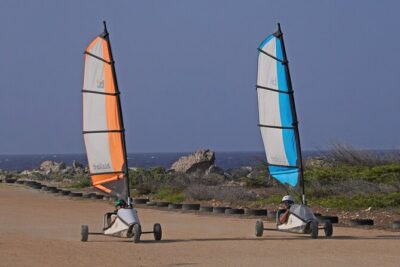
★ 5.0 · 1,305 reviews - Bonaire Landsailing Adventures
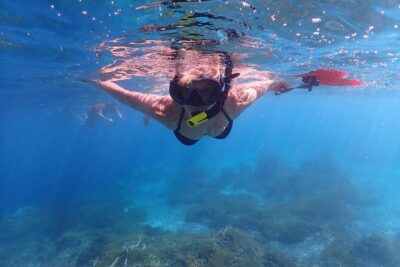
★ 5.0 · 652 reviews - Clearbottom Mangrove Kayak & Snorkel tour
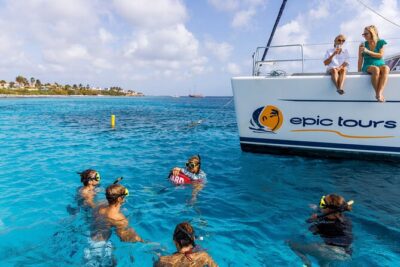
★ 5.0 · 597 reviews - Chill and Grill Catamaran Tour in Bonaire
★ 5.0 · 572 reviews
Kite Beach and Willemstoren Lighthouse
The bus continues toward Kite Beach, another short drive of about 10 minutes. Bonaire’s steady northeast trade winds make this a favored place for kite surfers. You may see kites moving across the water, though the tour does not include kite-surfing instruction or equipment.
This is one of the places where conditions shape your experience. The same wind that powers the kites can make the coast feel breezy and pleasant, but it can also add to the sun and heat. Bring a hat and use sunscreen, even if the bus itself is cool.
At Willemstoren Lighthouse, you have about 10 minutes. Built in 1838 and named for King Willem I of the Netherlands, it is 21 meters high and was Bonaire’s first lighthouse. The lighthouse is a useful navigation marker and a quick reminder of the island’s place in Dutch maritime history.
Again, this is a photo and explanation stop rather than a full lighthouse tour. You will not spend an hour exploring an interior museum. The value is in seeing the structure in its coastal setting and hearing how it served ships approaching Bonaire.
The route then follows the Pekelmeer, or Brine Lake. This large salt-producing area gives you another look at the relationship between Bonaire’s climate and its economy. The water and salt beds can appear striking from the road, but do not expect to leave the bus for a long walk here.
Two hours at Sorobon Beach
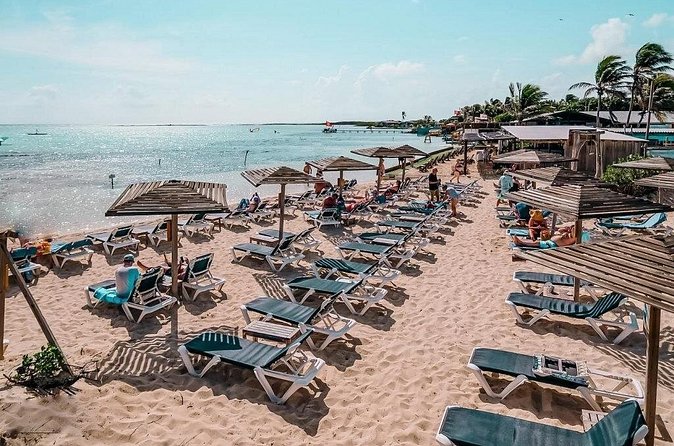
The final scheduled stop is Sorobon Beach, at Lac Bay. You receive about two hours of free time. The bay covers about 700 hectares, with Sorobon on the southern side and Ho Cai Beach toward the northeast.
The water is the main attraction. It is shallow enough that you can wade a long way, and some people report standing in water only around waist height even well out from shore. The entry can be rocky at first, but the bottom becomes sandier farther out.
That makes Sorobon a different kind of beach from the deep-water postcard shore you may picture. It works well for calm wading, families, and anyone who enjoys warm, shallow water. It is less suited to people hoping to jump straight into deep swimming or find a wide, empty strip of sand.
You should also plan for a busy shared beach. Some departures have had limited seating, blocked-off sections, or only one practical entry point. Kite surfers may be active nearby, and the beach is used by several groups. The water can be beautiful while the shore still feels crowded.
The stop has restrooms, a restaurant, beach chairs, and a beach bar. Food and drinks are not listed as part of the tour price, so bring money for purchases. Bottled water is supposed to be included, but it has not always been available, so carrying your own water is sensible.
There is some inconsistency in the beach name used for the final stop. The planned itinerary identifies Sorobon Beach, while some accounts refer to Sebastian Beach. Ask the local representative which beach you are visiting and exactly where the bus will collect you. That small question can prevent a stressful end to the afternoon.
The return ride is the part to watch
The trip is meant to bring you back to the cruise-port meeting point after the beach. Some departures have returned on schedule, even getting back about 30 minutes before ship departure. Others have faced delays, uncertain pickup times, or a missed return bus.
One person who stayed at the beach alone was told the bus could not return for a single passenger and used a taxi instead. Another account describes a passenger being left behind after a misunderstanding about the pickup time. A taxi from the beach was reported at about $5, but you should not rely on that as a guaranteed price or backup arrangement.
Here is the practical rule: before leaving the bus, confirm the pickup time, exact location, and what the vehicle looks like. Do not assume that a general statement such as we will be back later is enough. If you have a ship excursion, dinner booking, or other fixed plan, the beach stop may not give you enough comfort.
The tour has also had departures delayed by 20, 30, 45, 90, or even 120 minutes in individual cases. Some people still enjoyed the outing because they had spare time. Others missed much of the beach or abandoned the stop altogether. Cruise passengers should treat the advertised four hours as an approximate plan, not a guarantee precise to the minute.
What the guide and bus can change
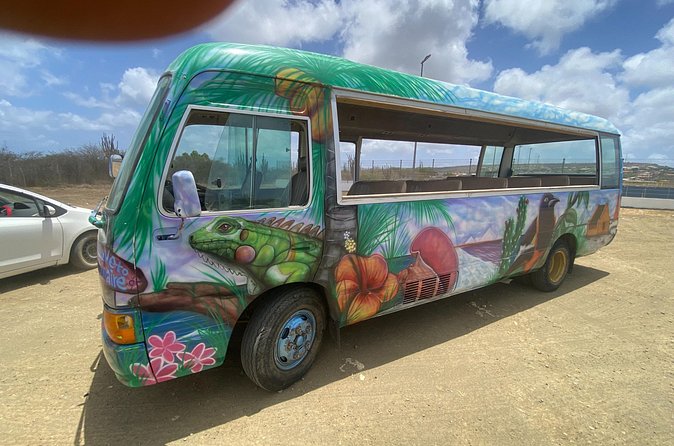
A strong guide makes this tour much better. You need someone who can connect the salt, the slave huts, the lighthouse, and the coast into one clear story. Ferdinand, Kiki, and Desmond have each received positive mention for their approach and island information.
Sound quality can be uneven. A broken microphone made it hard for some people to hear, especially when English was not the main language of the group. Music is part of the atmosphere on some buses, and one return ride was criticized for music played too loudly.
The word party bus can also set the wrong expectation. Music may play, and the ride can feel lively, but the experience is primarily sightseeing. There is no promise of rum, dancing, or organized entertainment.
On the positive side, the larger bus can provide more legroom than a small van, a useful point for tall passengers. The tradeoff is less personal attention and more dependence on group timing.
Who should book this outing?
I would choose this tour if you want a broad first look at Bonaire and do not want to organize separate transport. It suits cruise passengers who enjoy short historical stops, scenic drives, and a gentle beach visit in one package.
It is also a good fit for families and casual swimmers who like shallow water. The salt pyramids and slave huts give the outing more purpose than a simple beach transfer, and the two-hour stop gives you time to eat, wade, and sit down.
I would hesitate if your day depends on exact timing, if you want a quiet uncrowded beach, or if you are buying the tour only for swimming. I would also compare the price with local options at the port, since some people have found a lower walk-up price.
The experience has free cancellation up to 24 hours before the start time. Cancellations inside 24 hours are not refunded, and poor weather or an insufficient number of bookings can lead to a rescheduled tour or full refund.
Final verdict: a useful introduction with real timing risks
At $38.95, this is a reasonable package when it runs as planned. The salt pyramids, White Pan slave huts, lighthouse, coastal views, and two hours beside shallow lagoon water give you a solid taste of Bonaire in one afternoon.
I would book it for the island story and easy transport, not for a flawless beach day. Confirm the beach and return plan before you leave the port, carry water, keep sunscreen handy, and leave a large buffer before your ship sails.
If your priority is dependable timing above all else, choose a private taxi or a cruise-run excursion instead. If you can accept island-time delays and a shared beach, this tour can be a good-value way to see Bonaire’s southern coast.
FAQ
Where does the tour begin and end?
It begins at the Bonaire cruise port in Kralendijk and ends back at the same meeting point.
How long does the experience last?
The planned duration is about four hours, including driving time. The schedule includes roughly two hours of sightseeing and two hours at the beach.
What sights are included?
The route includes Salt Pier, Pink Beach, the slave huts at White Pan, Kite Beach, Willemstoren Lighthouse, views of Pekelmeer, and Sorobon Beach.
Is beach time included?
Yes. The scheduled beach stop lasts two hours at Sorobon Beach, although some accounts identify the beach as Sebastian Beach, so confirm the location locally.
Is the water at Sorobon deep?
The water is described as shallow, and you may be able to wade a long way. The shore can be rocky at the start before becoming sandier farther out.
Are food, drinks, and beach chairs included?
Restrooms, a restaurant, and beach chairs are available at the beach. Bottled water is listed as included, but it may be wise to carry your own because it has not always been provided.
How many people can join the tour?
The activity can have a maximum of 120 participants.
Can I cancel for a full refund?
You can cancel at least 24 hours before the start time for a full refund. Cancellations or changes made within 24 hours are not refunded or accepted.
Just added in Bonaire
- Snorkel marathon★ 4.5 · 47 reviews
- Cave Tour with Local Guide★ 5.0 · 107 reviews
- VIP Private Highlight Tour – North & South★ 5.0 · 37 reviews
- Washington Park Tour with Local Guide on Bonaire★ 4.5 · 53 reviews
- South island tour and Snorkel combo★ 4.5 · 108 reviews
- Fully Private North and South Tour with a Local Guide.★ 4.5 · 80 reviews
- VIP Private Snorkeling Tour with Underwater Photos★ 5.0 · 111 reviews
- E-Snorkeling tour in Bonaire with easy Sea Scooters★ 5.0 · 82 reviews
Bonaire, compared.
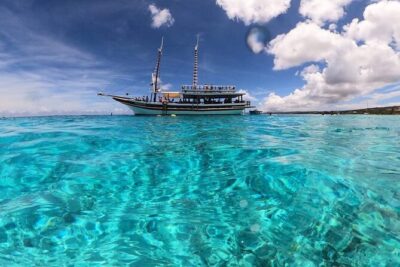
Luxury snorkel trip on a spacious wooden schooner and local lunch
Read our review →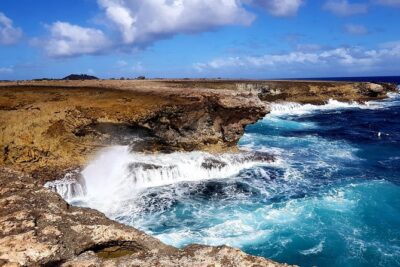
Washington Slagbaai National Park Tour in Bonaire
Read our review →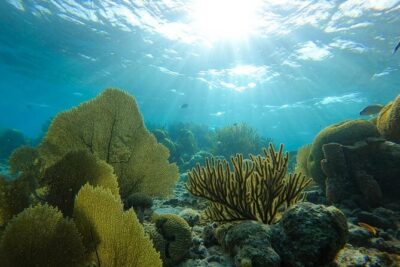
Marine Park – Private Boat charter with LOCAL Captain/ Guide
Read our review →Browse the lists this tour appears in