
Reviewed · BONAIRE
Bonaire Essentials Island Tour
Bonaire’s southern shore is the real star here: broad salt flats, bright water, old slave huts, flamingos, donkeys, and a shallow beach framed by mangroves. For $49 per person, this is an easy way to see far more than Kralendijk if you have only a short island visit.
I like the mix of history and scenery, especially the salt production area and White Pan huts. I also like the local guides, with Oliver, Lucy, Alex, and Norvel singled out for clear explanations, humor, and personal stories. The main caution is timing: the tour is described as two to three hours, and several departures have been delayed by cruise-ship schedule confusion or late coordination.
Key points at a glance
- Salt flats and flamingos: The southern route gives you Bonaire’s most distinctive scenery in one outing.
- Local history: Guides explain the Dutch island, salt production, slavery, and the old lighthouse.
- Several photo stops: You pause at Kralendijk, the salt pier, White Pan, Willemstoren, and Sorobon Beach.
- Beach time may be optional: You may be offered time at Sorobon, but it is not always a guaranteed part of the planned stop.
- Air-conditioned transport: The bus protects you from the heat between stops.
- Check the departure carefully: Meeting instructions and ship arrival times have caused confusion for some bookings.
Why Bonaire’s southern shore is worth your morning
This is an orientation tour, not a slow beach day. You ride south from Kralendijk and see how Bonaire’s economy, ecology, and past all meet along one road.
The route is especially useful if you are visiting from a cruise ship, staying briefly, or do not want to rent a car or scooter. You get a broad first look at the island without having to navigate unfamiliar roads, arrange several separate stops, or guess where the best salt and flamingo views are.
The tour is advertised at about two hours in the summary, while the fuller description calls it a three-hour sightseeing trip. That difference matters if you have an afternoon excursion, a ship departure, or a hotel transfer waiting. Ask for the exact meeting and return time before you set your schedule.
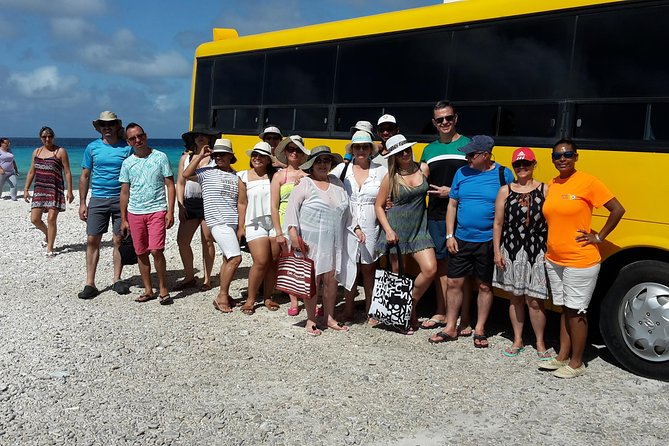
The vehicle is air-conditioned, a small but important comfort in Bonaire’s heat. You will still spend time outside at the stops, so bring water, sun protection, and a hat. The tour is mainly sightseeing, with short pauses rather than long walks.
Other island days out of Bonaire:
- South island tour and Snorkel combo
★ 4.5 · 108 reviews - Bonaire 2 hour Island Tour & 2 hour Beach Stay
★ 3.5 · 58 reviews - Half-Day Aruba Island Tour from Oranjestad
★ 4.5 · 1,362 reviews
Kralendijk gives you a quick start
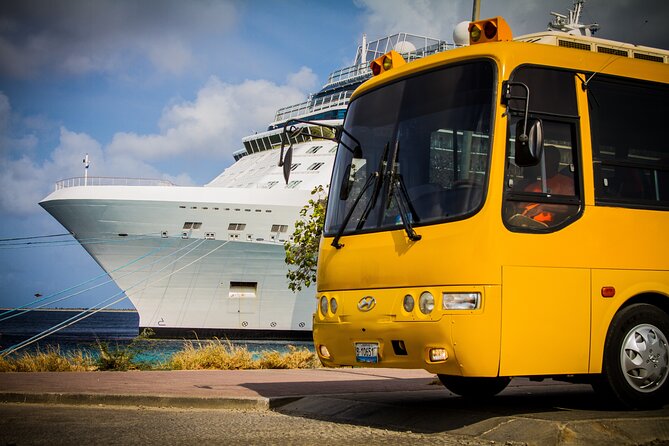
The meeting point is at South Pier Mall in Kralendijk, near the cruise-port area. The first stop in town lasts about five minutes and works as a quick introduction to Bonaire’s capital.
Do not expect a long walking tour of downtown. This pause is more about getting oriented, meeting your guide, and beginning the drive. If you arrive by cruise ship, pay close attention to the exact meeting instructions. Some people have had trouble finding the tour staff because the company name used at the meeting point did not always match the name they expected.
The operator has said that its booth is outside the port area and that staff may wear orange shirts. Still, I would not rely on visual guesswork. Read the mobile ticket and any messages carefully, then allow extra time to find the correct spot.
The salt works explain Bonaire’s character
The salt production area near the Salt Pier is one of the tour’s strongest stops. You pause for about ten minutes to see the salt works connected with Cargill, where shallow ponds and salt deposits create the striking colors associated with southern Bonaire.
This is more than a scenic photo stop. Salt shaped the island’s economy and ties directly to the forced labor system represented by the slave huts farther along the route. A good guide helps connect these places rather than treating them as unrelated sights.
You will likely want photos here, but the stop is brief. The wide views can be impressive, especially when the light catches the salt ponds, yet you should not expect a full industrial tour or a long walk around the facilities. The value comes from seeing the scale of the operation and hearing the local explanation.
Guides such as Oliver, Lucy, and Alex have been praised for giving detailed background and answering questions. The quality of the commentary is central to this experience. Without it, the salt flats are simply a striking view. With it, they become part of Bonaire’s story.
White Pan and Orange Pan bring difficult history close
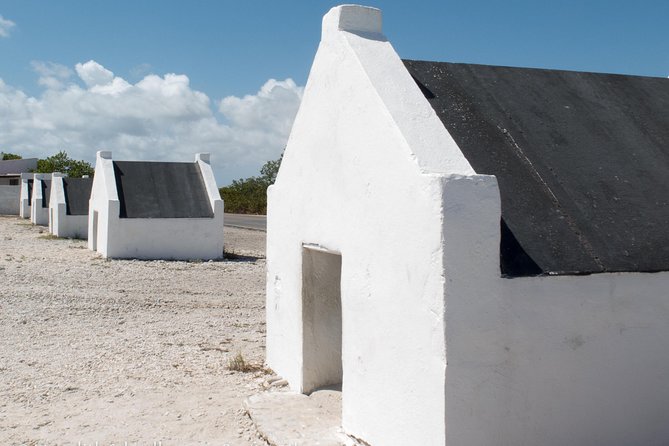
The White Pan slave huts are another important stop, generally lasting about ten minutes. These small structures are linked to the period when enslaved workers labored in the salt industry. Their simple form makes the history feel immediate, not abstract.
This is a short visit, but it deserves your full attention. The huts are not a grand monument. Their power comes from their size and plainness, which show the harsh conditions in which workers were kept while working the salt pans.
The route also passes the Orange Pan yellow slave huts. Here, expectations need to be clear. The White Pan huts are the main stop, while the Orange Pan huts may be viewed from the bus rather than visited on foot. One account specifically noted passing them quickly without getting out.
That difference can affect your satisfaction if you expect every listed place to be a full stop. Listen closely to the guide’s explanation and use the drive between locations to ask questions. The multilingual commentary may be given in English and Spanish, and the amount of detail can vary between languages when one guide is handling both.
Same base, a different sort of day:
- Double Dip Snorkel Trip
★ 5.0 · 1,305 reviews - Bonaire Landsailing Adventures
★ 5.0 · 652 reviews - Clearbottom Mangrove Kayak & Snorkel tour
★ 5.0 · 597 reviews - Chill and Grill Catamaran Tour in Bonaire
★ 5.0 · 572 reviews
Willemstoren Lighthouse adds a useful landmark
Willemstoren Lighthouse, built after a committee was appointed in 1837, is one of Bonaire’s historic markers. The stated stop is about ten minutes, giving you a chance to see and photograph the lighthouse while hearing about its place in the island’s maritime past.
The lighthouse stop has not always happened exactly as every passenger expected. One account said the bus never stopped there, while the published route includes it. That suggests the order or timing may change, especially when the group is running late or when conditions require an adjustment.
I would treat it as a planned sight rather than an absolute guarantee. If the lighthouse matters to you, ask the guide early in the trip whether it is included in that day’s route. This is a sensible question, not a complaint, and it helps you understand how much time remains.
Flamingos and donkeys are part of the drive
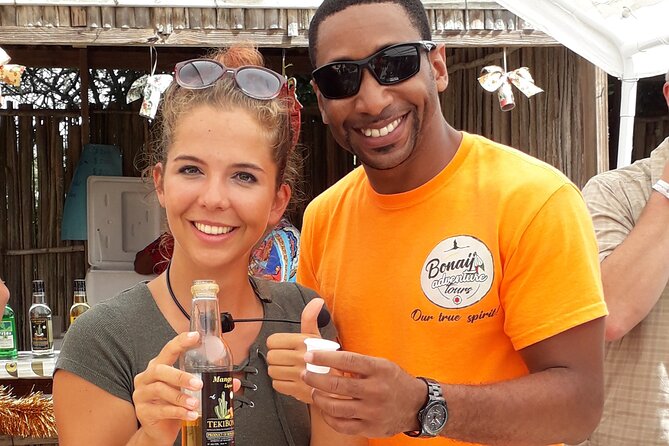
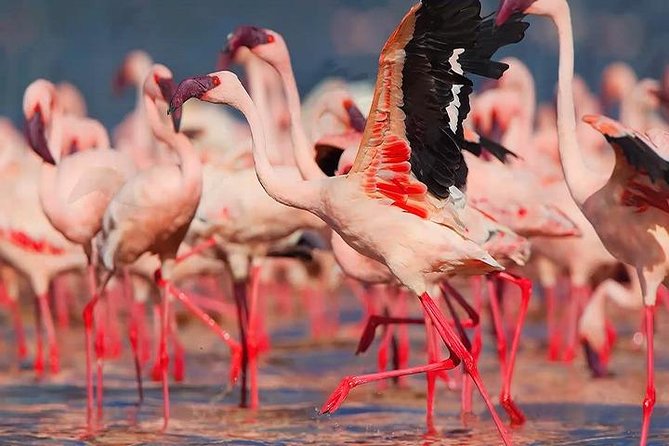
The Pekelmeer Flamingo Sanctuary lies in southern Bonaire and is recognized as one of only four flamingo breeding areas in the world. The bus route gives you a chance to see the sanctuary area and, depending on conditions, flamingos in the salt flats.
The exact viewing experience can vary. Flamingos may be near the road or farther away, and the tour is not presented as a dedicated wildlife outing. Bring a camera with a useful zoom if you have one, but do not expect every bird to pose beside the bus.
Donkeys are another memorable sight along the way. Guides have stopped to point out groups of them, adding a little life to the long southern drive. These moments help break up the historical stops and give you a sense of Bonaire beyond its built attractions.
Sorobon Beach is beautiful, but know what you are getting
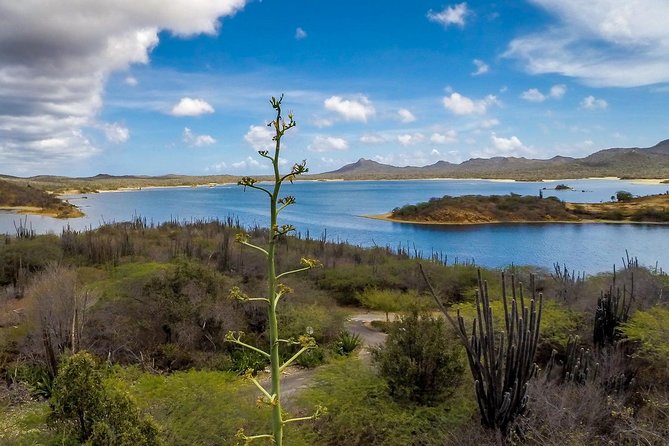
Sorobon Beach is the final major stop, with about fifteen minutes listed. It sits in a shallow bay among mangroves, and the water can stretch out at knee height for a remarkable distance. Bonaire’s marine protection is part of the setting, and the area is closely tied to the island’s famous underwater environment.
This is not a classic broad, soft-sand beach. Parts of Bonaire’s shore are rocky or mixed with coral, and one account found the beach too rocky. If you are expecting a long swim on a conventional sandy beach, adjust your expectations.
You may be offered the option to stay longer at Sorobon while the guide returns later. That can be a pleasant bonus, but it is not consistently presented as a guaranteed part of the tour. Some people did not know they could stay and therefore arrived without swimwear or beach gear.
If you want beach time, ask before leaving Kralendijk. Bring a swimsuit, towel, water shoes, and sunscreen only if the operator confirms that the extended stay is available. The listed fifteen-minute stop is better understood as a scenic visit than a full beach outing.
Crowding can also affect the experience. Sorobon is attractive, and a busy day can make the beach less peaceful. Still, the shallow water and mangrove setting make it one of the most distinctive stops on the route.
The guides make the difference
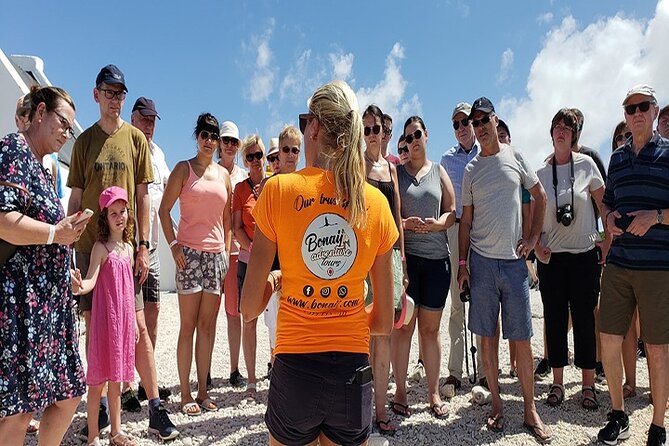
The strongest part of this tour is the local commentary. Oliver is repeatedly described as informative, personable, and good at pacing a small group. Lucy is noted for history, culture, humor, and making frequent photo stops. Alex is praised for detailed explanations, while Norvel is remembered for clear information and a strong presentation of the flamingo sanctuary.
Those names matter because the tour is not just a bus ride between viewpoints. You are paying for interpretation. A local guide can explain why salt was so important, how the slave huts fit into Bonaire’s past, and how the island protects its marine environment.
The guide may speak more than one language. That is helpful for mixed groups, but it can also mean the English and Spanish portions are not perfectly equal in length or detail. One person also reported that a microphone stopped working during the final fifteen minutes, making it hard to hear from the back.
If you have trouble hearing, move toward the front when possible and tell the guide promptly. In a bus, seat position affects how much you get from the commentary.
Timing needs more care than the brochure suggests
Most complaints concern organization, not the sights themselves. Departure times have shifted because cruise ships arrived earlier or later than expected, ship clocks differed from Bonaire’s local time, or the operator was gathering several bookings into one departure.
Delays of fifteen minutes are specifically explained, while other accounts describe waits of an hour or more. That range is significant. If you have an afternoon activity, do not book a tour that leaves you with a narrow margin.
The experience is described as a private activity for your group, but the transport is also described as a shared transfer, and actual accounts refer to groups of seven, larger buses, and passengers from several countries. In practical terms, group size may vary. Ask the operator how many people are expected and whether your departure is being combined with other bookings.
The tour ends back at the meeting point. That return is useful for cruise passengers, but you should still allow extra time before boarding your ship. Bonaire’s roads may be easygoing, yet schedule changes can eat into your afternoon.
Is $49 a fair price?
At $49, the tour offers good value if you want a guided overview rather than a specialized activity. The price covers an air-conditioned vehicle, driver and local guide services, round-trip shared transport, and several major southern-island sights.
You are not paying for snorkeling equipment, a meal, a private beach day, or entry tickets. The listed stops are free, so the cost is mainly for transport and interpretation. That makes the tour most worthwhile if you value local context or do not want to drive yourself.
The price is less attractive if you mainly want to sit at a beach for several hours. Sorobon time may be short or optional, and the route is built around seeing several places. You are buying a compact introduction to Bonaire, not a resort transfer.
The overall rating is 4.4 from 50 reviews, with especially strong praise for the guides’ local knowledge, friendly manner, and ability to show salt flats, flamingos, huts, donkeys, and beaches in one outing. The weaker scores focus on late departures, unclear meeting instructions, beach expectations, and uneven audio or translation.
Who should book this Bonaire tour?
I would choose this tour if you have a first visit to Bonaire, a short cruise stop, limited mobility for driving, or a strong interest in the island’s history. It is also a good fit if you want photos and an overview before deciding how to spend a longer return visit.
Families and mixed-age groups may appreciate the short stops and air-conditioned ride. Most people can participate, and the sightseeing does not depend on strenuous walking. You should still be comfortable stepping on and off a bus and standing outside in strong heat.
I would look elsewhere if your priority is guaranteed beach time, a precise departure schedule, or a quiet private ride for only your own party. In that case, a dedicated private driver or a beach-focused booking may suit you better.
Cancellation is free up to 24 hours before the start time. Poor weather or failure to reach the minimum number of participants can lead to a new date, another experience, or a full refund.
Should you book it?
Book it if you want Bonaire in a compact package: salt works, slave huts, lighthouse, flamingos, donkeys, and Sorobon Beach, all with local explanation. The guide quality can make the tour genuinely rewarding, and the $49 price is sensible for a first look at the island.
Before paying, confirm the exact departure time, meeting point, expected group size, and whether the Sorobon stop includes time in the water. If you build in a generous time cushion and treat the beach as a possible extra rather than the main event, this is a practical and worthwhile introduction to Bonaire.
FAQ
How long does the Bonaire Essentials Island Tour last?
The tour is advertised as approximately two hours in the summary, while the detailed description calls it a three-hour sightseeing tour. Confirm the expected duration and return time before booking around another activity.
What is the meeting point?
The tour starts at South Pier Mall, 4PWF+QCF, in Kralendijk, near the cruise-port area. The activity ends back at the meeting point.
What sights are included?
The route includes Kralendijk, the Salt Pier and Cargill salt production area, White Pan slave huts, Orange Pan yellow slave huts, Willemstoren Lighthouse, the Pekelmeer Flamingo Sanctuary area, and Sorobon Beach.
Is Sorobon Beach time guaranteed?
A brief Sorobon stop is listed, but extended time at the beach may be optional. Ask the guide at the start whether you can stay longer and be collected later.
Is the tour conducted in English?
The tour may be operated by a multilingual guide. English and Spanish have both been used, and the amount of information in each language can vary.
Can I cancel for a refund?
You can cancel at least 24 hours before the local start time for a full refund. Cancellations or changes made less than 24 hours ahead are not refunded, except that weather or minimum-participant cancellations may lead to another date, another experience, or a full refund.
Just added in Bonaire
- Snorkel marathon★ 4.5 · 47 reviews
- VIP Private Highlight Tour – North & South★ 5.0 · 37 reviews
- Washington Park Tour with Local Guide on Bonaire★ 4.5 · 53 reviews
- Cave Tour with Local Guide★ 5.0 · 107 reviews
- South island tour and Snorkel combo★ 4.5 · 108 reviews
- Fully Private North and South Tour with a Local Guide.★ 4.5 · 80 reviews
- VIP Private Snorkeling Tour with Underwater Photos★ 5.0 · 111 reviews
- E-Snorkeling tour in Bonaire with easy Sea Scooters★ 5.0 · 82 reviews
Bonaire, compared.
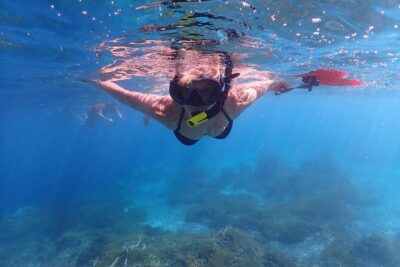
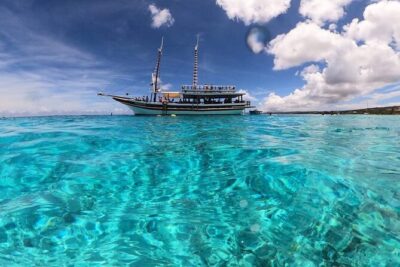
Luxury snorkel trip on a spacious wooden schooner and local lunch
Read our review →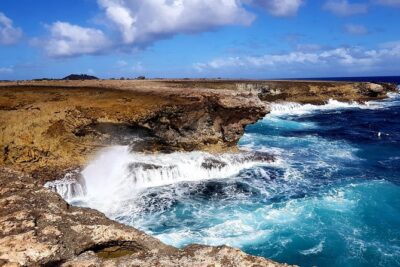
Washington Slagbaai National Park Tour in Bonaire
Read our review →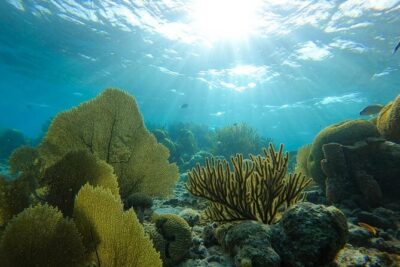
Marine Park – Private Boat charter with LOCAL Captain/ Guide
Read our review →Browse the lists this tour appears in